
 Marketing & Sales
  Blog
Blog  Business Communication
  Customer Experience
  Leadership
  Nextiva News
  Productivity
  VoIP
VoIP 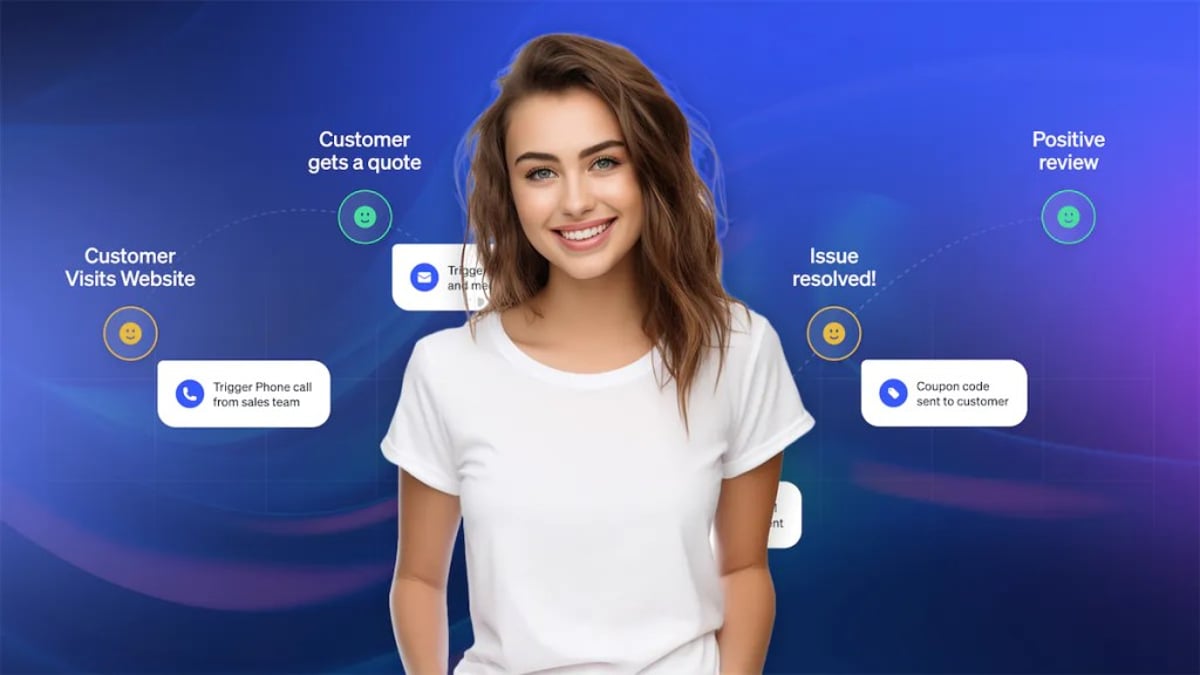
The customer lifecycle is the complete journey a customer takes with your brand, from the first moment they hear about your product or service to when they decide to leave – or, hopefully, stay as a loyal advocate.
The customer lifecycle consists of five key stages: reach, acquisition, conversion, retention, and loyalty.
Each stage gives you the chance to strengthen relationships, keep customers engaged, and address potential issues in the customer experience.
At the same time, each stage presents the risk that customers may decide your brand isn’t for them and churn.
In this article, you’ll learn about the customer lifecycle and its key stages. We’ll also cover five common reasons why customers churn at each stage and what you can do to win them back.
The terms “customer journey” and “customer lifecycle” are often used interchangeably, but they’re not the same concept. The customer lifecycle is the whole relationship with a brand, including awareness, purchase, and advocacy stages. The customer journey is just one slice of that lifecycle — focused on specific touchpoints, such as vendor evaluations or support interactions. Think of the lifecycle as a high-level view and the journey as more detailed. Lifecycle marketing focuses on marketing efforts at specific stages of the customer journey, while customer lifecycle management covers the entire relationship.
Key Stages of the Customer Lifecycle
Customer lifecycle stages represent the key phases a customer experiences in their journey with a brand, from initial awareness to advocacy.
Understanding and analyzing each of these stages is crucial for tracking, setting metrics, and enhancing customer interactions throughout the relationship. The customer lifecycle also provides a structure for marketing teams to align their objectives and create relevant material that drives success at each stage.
Every business may define the exact stages of its customer lifecycle a bit differently, but here are the six main stages most customers go through:
1. Awareness stage

The awareness stage occurs when customers first discover your brand. It’s the point where they learn you exist, even if they’re not yet ready to make a purchase.
At this stage, your goal is to grab their attention and make sure they remember your brand when they need your product or service.
To build that awareness, you can use strategies like:
- Content marketing
- Search engine optimization (SEO)
- Social media marketing
- Paid ads
- Public relations
- Targeted marketing campaigns
- Offline methods like TV, print, or events
The idea is to get your brand in front of people wherever they spend time, online or offline, and increase brand visibility through content marketing, social media engagement, and targeted marketing campaigns.
Let’s say you’re promoting a new sales enablement tool. A VP of sales comes across your LinkedIn post highlighting how the tool helped similar teams close deals faster.
The prospect isn’t looking for a solution right now, but after seeing a few more posts and articles from your brand, they start to recognize your tool as a potential option for when their team faces bottlenecks later on.
Once you’ve established awareness, the next step in the customer lifecycle is the acquisition stage, where you focus on converting interested prospects into customers.
2. Interest stage

The interest stage is when potential customers, now aware of your brand, actively engage with your content.
They’re not ready to commit just yet, but they’re curious enough to dig deeper and explore what you offer. Your job at this stage is to capture that curiosity and guide them toward learning more.
Common strategies include:
- Email marketing campaigns delivering relevant messages tailored to customer expectations
- Lead magnets like ebooks or webinars
- Personalized recommendations (like suggesting relevant case studies based on the prospect’s industry or company size)
- Interactive product demos
For example, after seeing your posts about the sales enablement tool, the same VP of sales signs up for a webinar on improving sales efficiency. They attend the webinar, download a case study afterward, and start exploring how your software could work for their team.
3. Consideration stage

In the consideration stage, potential customers are actively evaluating solutions to their problems.
As they’ve shown clear interest, it’s time to position your product as the best option on the market, demonstrating its value and differentiating it from competitors.
The goal is to demonstrate why your product is the ideal solution, using strategies like:
- Comparative analysis
- Product demos
- Free trials
- Customer testimonials and reviews
Leverage feedback and ongoing engagement from existing customers to influence potential buyers, as their experiences and testimonials can build trust and credibility. Additionally, use customer data to personalize recommendations and demonstrate value tailored to each prospect during the consideration stage.
For example, at this stage, the VP might sign up for a demo with your sales team, read case studies of similar-sized companies in their industry, and pore over customer reviews from other sales leaders.
Don’t underestimate the power of customer reviews in your customer lifecycle management strategy.
According to a recent Emplifi study, when researching products, buyers find online customer reviews and ratings to be the most influential factor — outranking price, the company’s return policy, and shipping costs.
4. Purchase stage

The purchase (or conversion) stage is when a potential customer decides to invest in your solution. They’ve weighed their options, seen the value in your offering, and are ready to commit.
At this stage, your goal is to make the purchasing process as smooth and reassuring as possible. Optimizing the buying process means managing all customer touchpoints and providing self-service resources such as FAQs, knowledge bases, and tutorials so that customers can find answers quickly and independently. Proactive customer service throughout the buyer’s journey can create positive experiences, reduce friction, and increase retention rates.
Strategies to facilitate a purchase include:
- Using action-oriented CTAs (like “Boost Your Sales Now” rather than “Click Here”)
- Streamlining the checkout process
- Offering timely promotions or discounts
- Providing excellent customer service during the buying journey
Let’s say the VP of sales finally decides that your product is the best fit.
They’ll likely schedule a call with your account executive to clarify terms and implementation details. Your team might also offer a free 30-day premium support package, including daily check-ins and priority issue resolution, to ease the transition.
5. Retention stage

Retention is the ongoing process of keeping both long-time and new customers engaged and satisfied with your brand. By creating loyal customers, you can encourage repeat purchases and maximize customer lifetime value.
The retention stage is often where companies drop customers, making it crucial to track customer health and collect feedback to prevent churn. Using customer feedback to improve products and services continuously is vital for customer retention.
At the retention stage, your goal is to reinforce the value of your offering and build strong, lasting customer relationships. Fostering repeat business through ongoing engagement and personalized experiences is essential.
You can do this with:
- Loyalty programs
- Stellar customer experience management
- Personalized service
- Upselling or cross-selling strategies
- Collecting feedback through customer satisfaction surveys and using it to improve your offerings
For example, at the post-purchase stage, your customer success or customer service team can conduct regular check-ins with the VP of sales and offer loyalty discounts when you release new modules.r check-ins with the VP of sales and present them with loyalty discounts when you release new modules.

6. Advocacy stage

In the final stage, satisfied customers with strong brand loyalty become advocates, promoting your brand through referrals, reviews, and user-generated content (UGC). In the loyalty stage, these valuable customers often become brand advocates, sharing their positive experiences and promoting your brand through word of mouth.
Customer advocacy is vital because it can significantly impact future sales and your brand’s overall reputation. Nurturing repeat customers and engaging valuable customers with personalized experiences helps foster long-term relationships and encourages them to become loyal promoters of your brand.
In fact, a Harvard Business Review study found that referred customers buy more than those who discover the brand through other methods.
Beyond making more purchases, referred customers also generate up to 57% more new referrals than other customers, amplifying the reach and impact of word-of-mouth marketing.
Brands can build customer advocacy through:
- Referral programs, such as offering customers rewards or discounts for referring new clients
- Customer advocacy programs
- Social media marketing strategies
- UGC strategies like contests, giveaways, or product challenges
For example, after a positive experience with your sales enablement tool, the VP of sales could write a glowing LinkedIn review, tagging your brand.
Or they might participate in a case study showcasing how your product helped their team achieve better results.
You can tell that customers have reached this stage through positive feedback, a high net promoter score, repeat purchases, and customers’ willingness to recommend your brand to others.
What Drives Churn in the Customer Lifecycle
Benjamin Franklin could just as easily have said, “In this world, nothing is certain but customer churn.” Because no matter the stage of the lifecycle, how great your product or service is, or what industry you’re in, some level of churn is inevitable.
Monitoring customer behavior throughout the customer lifecycle is a must, as customer expectations evolve, and failing to address these changes can lead to increased churn. Assigning metrics to each stage of the customer lifecycle allows you to track progress, measure success, and identify areas for improvement. Regularly analyzing customer lifecycle metrics helps optimize the customer experience and reduce churn.
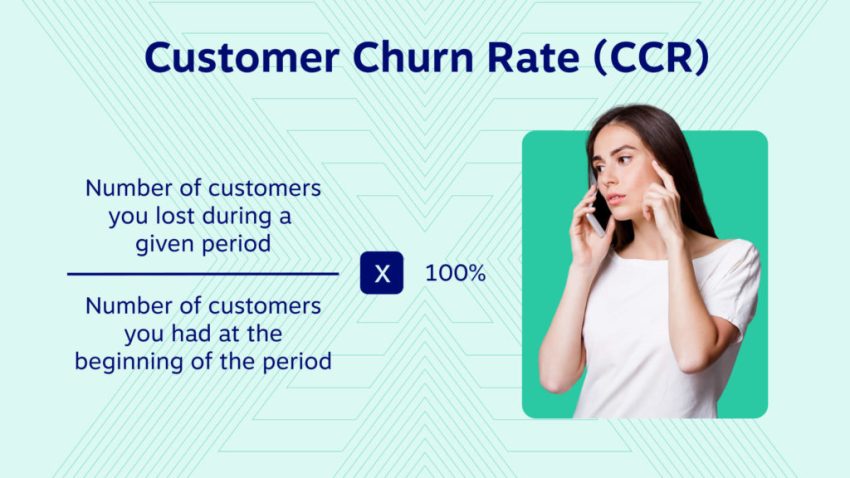
Every customer has their own reason for leaving, but here are some of the most common reasons why your customer base might be shrinking:
1. Price
Pricing is one of the most apparent reasons for churn. According to a joint Adobe and Oxford Economics study, 41% of respondents reported that their experience with companies’ pricing strategies has worsened over the past few years.
This could mean that customers feel prices have increased without a corresponding improvement in value, or that pricing has become less transparent, less flexible, or less competitive.
2. Product or service dissatisfaction
If your product doesn’t deliver on its promises or is unreliable, customers will look elsewhere — and fast. Adobe’s research found that faulty products account for 73% of customer churn.
Dissatisfaction with your offering could be due to poor performance, missing features, or usability issues and bugs — like an e-commerce app that crashes during checkout or a project management tool that claims to be all-in-one but doesn’t offer time-tracking or reporting features.
3. Poor customer service or customer support
Even the best product can’t make up for a bad customer service experience. Adobe’s research found that 54% of customers will stop interacting with an organization after a negative customer service experience.
Long response times, unhelpful agents, or a lack of resolution can leave customers feeling frustrated and undervalued.
For example, if a customer reaches out with a critical issue and doesn’t receive a timely response, or if they are bounced between departments without being offered a clear solution, they’re likely to churn in favor of a company with better support.
🤔Want to reduce churn by taking your customer experience to the next level? Check out our guide on Customer Experience Marketing: 5 Strategies To Reduce Churn
4. Competition
With so many options available, customers will always compare your product to alternatives.
And if a competitor offers better value, more innovative features, or a superior user experience, customers won’t waste time making the switch.
According to Adobe, 54% of customers jump ship when a competitor releases a better feature, product, or service, while 58% switch over to a competitor for better customer service.
5. Lack of engagement
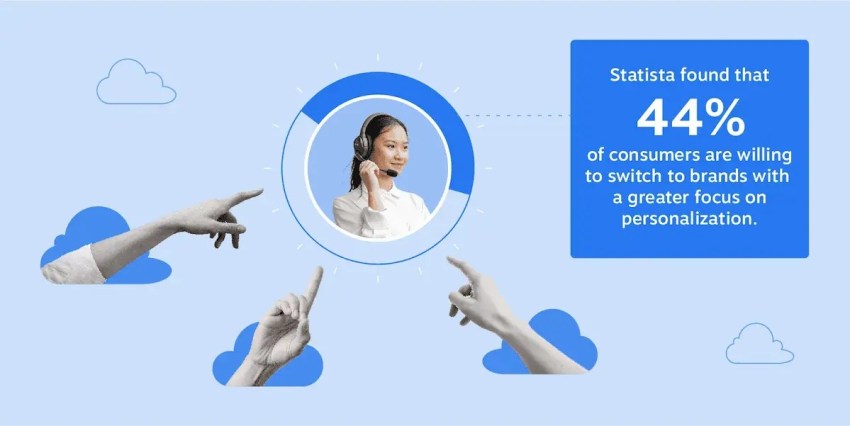
According to Salesforce’s State of the Connected Customer report, 61% of surveyed customers believe that most companies treat them as a number.
Meanwhile, according to McKinsey, 72% of consumers expect businesses to recognize them as individuals and understand their interests.

Whether it’s neglecting to follow up with leads or sending blanket, irrelevant messages, failing to create a personal connection leaves customers feeling undervalued and more likely to churn.
How To Win Back Customers
Of course, when a customer leaves, it doesn’t mean your relationship with them is permanently severed. The customer lifecycle should be viewed as an ongoing relationship that requires focus, metrics, and cross-team collaboration to create long-term advocates.
Using customer lifecycle analysis helps identify why customers left and informs win-back strategies by pinpointing drop-off points and opportunities for improvement. Additionally, customer lifecycle marketing can be used to target specific stages for re-engagement, ensuring your efforts are tailored and effective.
Here are six top strategies:
Identify churned customers
To win customers back, start by understanding why they left.
Segmenting churned customers by reason, such as pricing issues, product dissatisfaction, or competition, helps you create targeted strategies for each group. That way, you won’t make the mistake of trying to win back customers who left because of poor customer service by offering them a feature upgrade.
Analyze data from exit surveys, support interactions, usage patterns, and unified customer data—including past purchases—to uncover the reasons behind churn. Leveraging customer data enables you to identify patterns in customer lifecycle stages and tailor your win-back strategies accordingly. Predictive AI segmentation can also detect micro-behaviors that signal potential churn in real time, allowing you to address issues before customers leave.
To illustrate the type of insights you should be looking for, here’s a sample exit survey from Baremetrics:

Once you have segmented churned customers, you can prioritize outreach to the most valuable or easily recoverable customers and address their specific concerns directly.
Personalize your win-back campaigns
According to McKinsey’s Next in Personalization report, 71% of consumers expect personalized interactions from companies, and 76% get frustrated if this doesn’t happen.
What’s more, that expectation doesn’t disappear after churn. Offering generic discounts or blanket promotions won’t cut it; customers want to feel like you understand them and know what it takes to keep them.
Use insights from your segmentation to craft personalized offers that speak to why they left. For example, for those who left due to price, you’ll want to focus on flexible payment options, time-limited discounts, or even bundling services to offer better value.
Targeted campaigns can be especially effective for re-engaging churned customers by delivering relevant messages and offers tailored to their specific reasons for leaving. Personalization at each stage of the customer lifecycle can significantly enhance customer satisfaction and loyalty, making your win-back efforts more successful.
Tailor each message to their experience and follow up with reminders to reinforce your offer.
Use your customer engagement platform, CRM, or analytics software to spot early warning signs, like decreased product usage, declining engagement, or low satisfaction scores. Identifying at-risk customers in advance lets you engage them with personalized offers or solutions before they leave, potentially preventing churn altogether.
Run limited-time offers
Limited-time offers create a sense of urgency, prompting customers to act before the opportunity passes. This helps encourage them to re-engage with your product or service.
Set and emphasize a clear deadline for your offer, like a 48-hour discount or a one-week promotion. Use countdown timers in emails or on landing pages to visually reinforce the time limit. Consider sending reminders as the offer nears expiration to gently nudge customers toward making a decision.
Here’s an example from Acadium, a digital apprenticeship platform, sent to create urgency and increase conversion rates:

Improve customer experience based on customer feedback
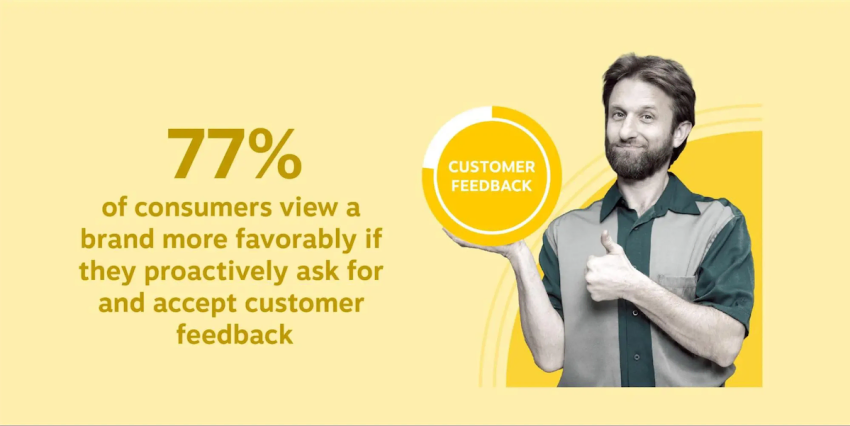
Customers want to see that their feedback has led to real improvements and that their experience will be different going forward.
You need to demonstrate that you’ve heard their concerns and acted on them.
Leverage churn data and customer feedback metrics to identify the exact reasons customers left. Conduct customer interviews to gather direct insights into their needs, pain points, and satisfaction levels, which can inform ongoing improvement of the customer lifecycle management process.
Customer feedback is vital for understanding their needs and improving the customer experience at every stage of the lifecycle. Then use this information to make targeted improvements and communicate those changes directly to affected customers.
For example, if customers switched to a competitor because your platform didn’t offer a particular feature before, you might follow up to let them know it’s now available. To communicate the change, use personalized emails, a blog update, or a product dashboard announcement.
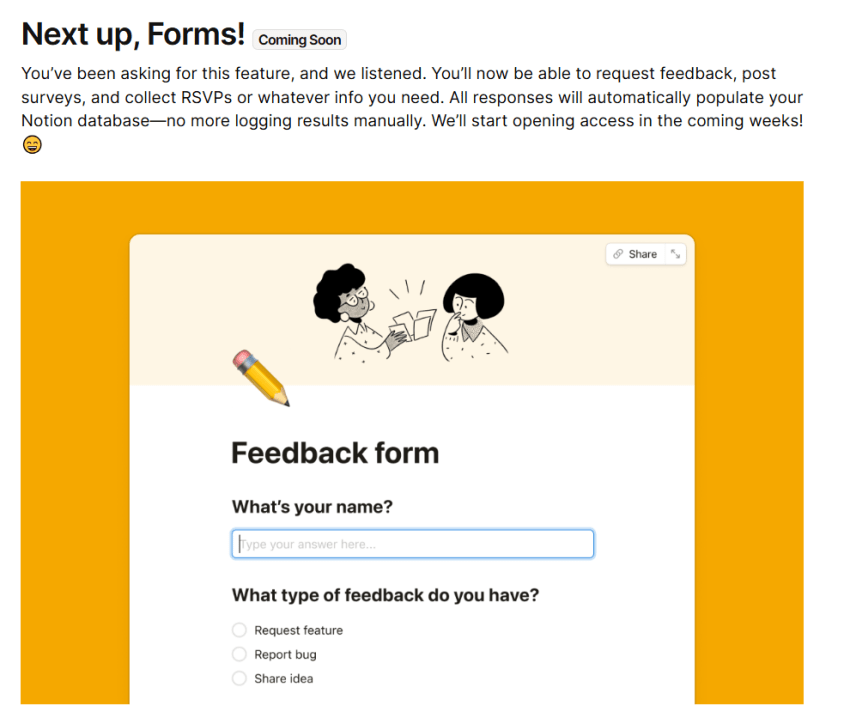
Here’s an example from Notion:
Use reactivation programs
Reactivation programs aim to win back former customers with targeted incentives.
Here’s an example from Uber Eats:
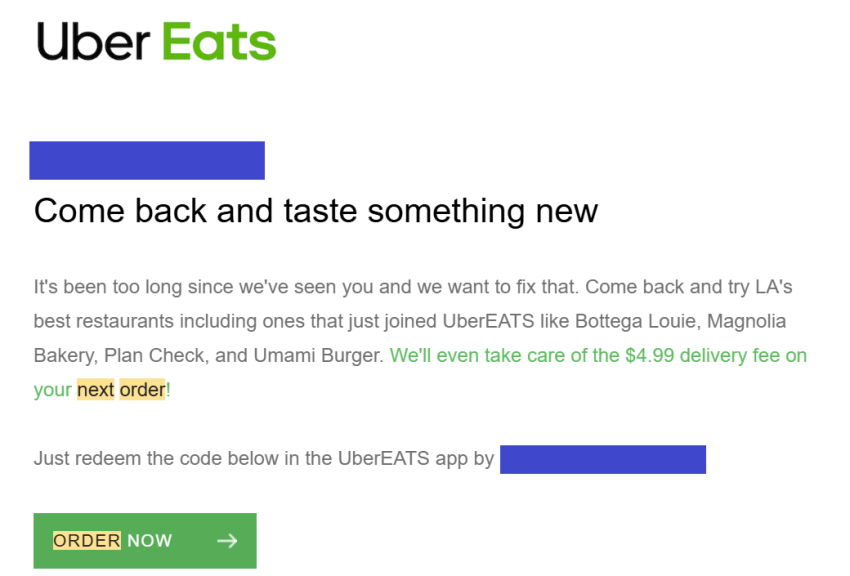
Consider strategies like time-limited discounts, personalized upgrade offers, or exclusive access to new products or features. These offers should feel personalized, reminding customers of your value while showcasing what’s new or improved since they left.
Timing is also key. Reach out when your product or service has undergone meaningful updates or changes relevant to customers’ experience.
For example, create a special loyalty tier for returning customers that offers enhanced benefits they didn’t have before. Or invite them to a beta launch of a new feature, giving them a sense of exclusivity and involvement in the product’s evolution.
Offer customer referral rewards
Say that a customer left on neutral terms because of disengagement or pricing concerns, rather than dissatisfaction, they might still have a positive impression of your brand.
In these cases, a referral program can act as a re-entry point by providing an incentive to re-engage.
The key is to make the offer relevant to why they left.
Let’s say a customer left because of pricing concerns. Offering perks, such as credits or discounts, for each successful referral can address that pain point while reintroducing them to your product.
![How To Get More Customer Reviews [9 New Strategies & Ideas]](https://www.nextiva.com/cdn-cgi/image/width=850,height=478,fit=cover,gravity=auto,format=auto/blog/wp-content/uploads/sites/10/2023/09/How-to-Get-Reviews-for-Your-Business-scaled.jpeg?resize=768,432)
Nextiva: Simplify Customer Relationships at Every Stage
Knowing where customers are in their journey helps you spot when and why they leave, allowing you to create targeted strategies to win them back and inspire customer loyalty.
Studying the different stages of the customer lifecycle also helps you understand precisely what your customer needs and how you can provide it.
As a next step, focus on analyzing churn data and identifying key patterns. Then use this insight to prioritize at-risk customers and craft personalized strategies to meet their needs.
A unified customer experience and customer journey solution like Nextiva simplifies customer lifecycle management by providing a real-time view of customer interactions across multiple channels.
This makes it easier to track customer satisfaction and engagement, identify early signs of churn, and respond proactively, ensuring you address customer concerns efficiently and improve retention.
Power your omnichannel customer lifecycle
Business leaders use Nextiva to automate and scale the omnichannel customer lifecycle.
Customer Lifecycle FAQs
The customer lifecycle refers to the entire journey a customer takes with a brand, from initial awareness through acquisition, conversion, retention, and ultimately loyalty. Understanding the customer lifecycle helps businesses tailor marketing efforts and customer support to meet customer needs at each stage, improving satisfaction and boosting customer lifetime value.
Nextiva’s unified customer experience platform provides businesses with comprehensive insights across all customer touchpoints, enabling teams to tailor communications and support at every stage of the lifecycle.
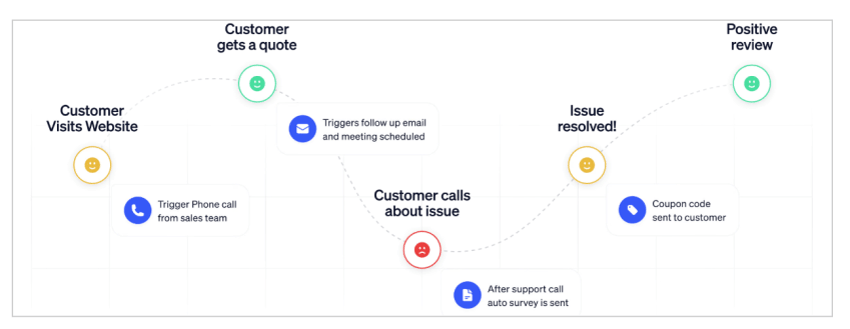
A customer lifecycle map visually outlines the stages a customer moves through with your brand, highlighting key touchpoints and interactions. Using a customer lifecycle map allows you to identify opportunities to enhance the customer experience, retain customers longer, and optimize marketing campaigns for better conversion and loyalty rates.
Nextiva’s customer experience management platform creates real-time customer lifecycle maps that unify data from voice, chat, email, and social channels. This visibility allows sales, marketing, and support teams to collaborate effectively, ensuring smooth handoffs and personalized outreach that improves conversion rates and customer loyalty.
Proactive support anticipates customer needs and addresses issues before they escalate, creating a smoother buying and usage experience. Integrating proactive support within your customer lifecycle management helps reduce churn, improve customer satisfaction, and foster stronger relationships throughout the entire lifecycle.
Nextiva’s AI-powered automation enables businesses to trigger proactive outreach, such as follow-up messages or troubleshooting tips, based on customer behaviors.
AI and automation enable businesses to deliver personalized communication and content based on real-time customer behavior and preferences. By leveraging AI-driven insights in customer lifecycle management, companies can better segment audiences, automate timely outreach, and provide sales and support teams with valuable insights, enhancing the overall customer experience and driving higher retention.
Nextiva uses AI-driven segmentation and automated workflows to deliver personalized email campaigns, chat responses, and call routing tailored to each customer’s lifecycle stage. This ensures prospects receive relevant content and support promptly, improving engagement and accelerating their path to becoming loyal customers.