

 Customer Experience
  Blog
Blog  Business Communication
  Leadership
  Marketing & Sales
  Nextiva News
  Productivity
  VoIP
VoIP 

Great customer service doesn’t happen by accident. It’s built on a shared set of values that guide how your team treats customers, solves problems, and delivers on your brand’s promises.
That’s where a customer service philosophy comes in. It turns broad ideas like empathy, accountability, and trust into practical principles your employees can follow in every customer interaction.
But creating a philosophy is only the first step. To make a real difference, it needs to reflect your customers’ expectations, guide everyday decisions, and become part of how your team works.
In this guide, we’ll explore five real-world customer service philosophy examples, share a free template you can adapt for your business, and walk through seven steps to create and implement a philosophy that builds customer loyalty.
What Is a Customer Service Philosophy?
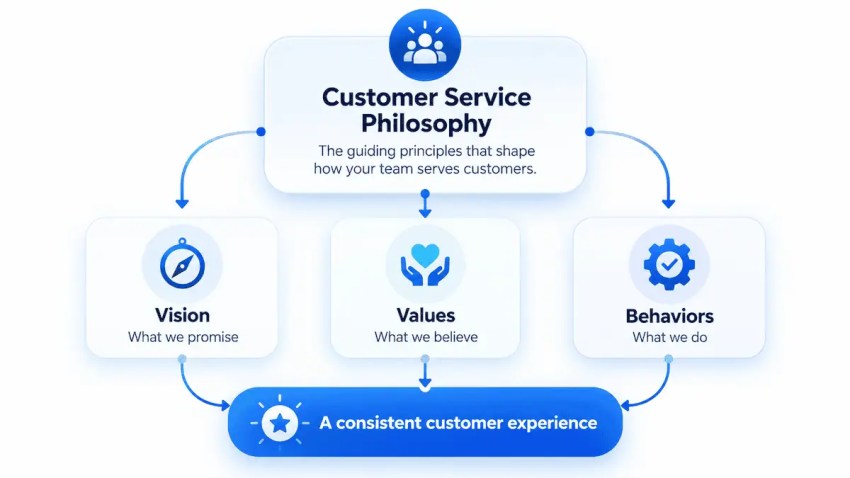
A customer service philosophy is a set of guiding principles that defines how your business treats customers, resolves problems, and delivers a consistent customer experience. It brings together your support team’s vision, values, and expected behaviors to guide everyday decisions.
Think of it as a strategic filter for every customer interaction, from welcoming new customers and resolving complaints to delivering proactive customer service.

Unfortunately, few companies take the time to define or even think about their philosophy. Or worse, they end up with a set of lofty and cliché values that no one follows.
Rather than relying on vague promises like “the customer is always right,” an effective customer service philosophy gives employees clear, actionable guidance. In other words, it helps them understand not just what great service looks like, but how to deliver it.
The three essential components of a customer service philosophy
A strong customer service philosophy connects three elements:
- Vision: What we promise. Your customer service vision describes the experience you want customers to have. It establishes a shared goal for your support team, such as making every interaction easy, helpful, and reassuring.
- Values: What we believe. Your customer service values are the principles behind your decisions. These might include empathy, transparency, accountability, and respect. Keep them memorable, use action-oriented language, and make sure they reflect your company’s personality rather than generic corporate ideals.
- Behaviors: What we do. Your behaviors turn those values into everyday actions. For example, if accountability is a core value, employees should take ownership of customer issues, communicate next steps clearly, and follow through until the problem is resolved.
Together, these components connect what your company promises with what customers actually experience.
Customer service philosophy example
Here’s an example of a customer service philosophy statement for a growing business:
“We make every customer feel heard and supported. We listen with empathy, we take ownership of problems, and we communicate honestly. Our goal is to make every interaction helpful and personal, so customers feel confident about choosing us again.”
This statement establishes a clear vision (customers feel supported), defines core values (empathy, ownership, and honesty), and identifies behaviors employees can put into practice (listening, communicating, and resolving problems).
Customer service philosophy vs. mission, vision, and service standards
A customer service philosophy is closely connected to your company’s mission and vision, but each serves a different purpose:
- Mission statement: Explains why your company exists and what it aims to accomplish.
- Vision statement: Describes the future your company wants to create or the experience it aspires to deliver.
- Customer service philosophy: Defines the principles that guide how employees treat and support customers.
- Customer service standards: Establish specific expectations for service delivery, such as response times, escalation procedures, and communication guidelines.
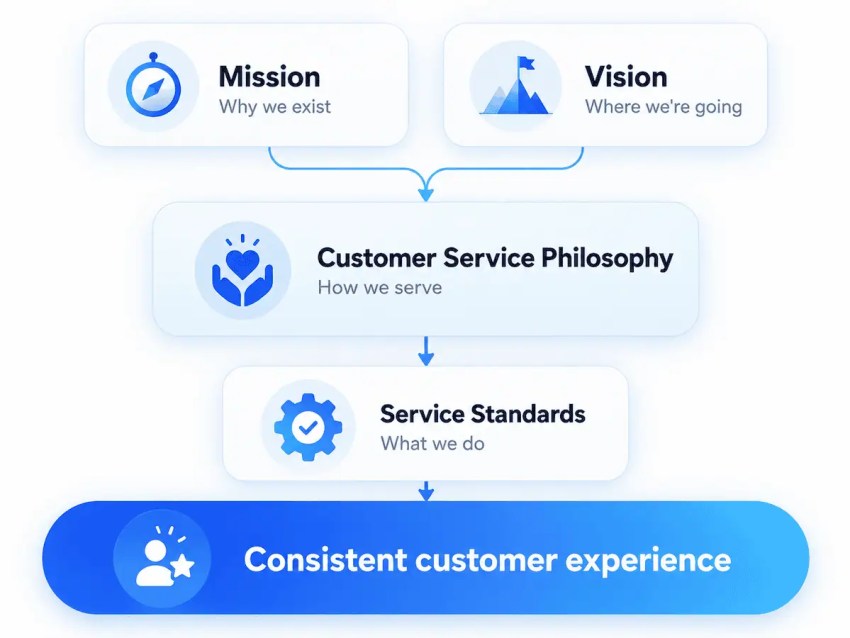
For example, your telecommunication company’s mission might be to make business communication easier, while your customer service philosophy commits your team to resolving issues with empathy and accountability. Your service standards then translate those commitments into measurable expectations.
The distinction matters: your philosophy explains how you approach customer service, while your standards define how you consistently deliver it.
5 Customer Service Philosophy Examples
What does an excellent customer service philosophy look like in practice?
The best examples go beyond promising great service. They connect a clear customer promise with values that employees can remember and behaviors they can follow, even when handling difficult situations.
Let’s look at how five recognizable brands approach customer service and what you can learn from them.
First, here’s a quick comparison table:
| Brand | Core principle | What your business can emulate |
|---|---|---|
| Disney | Create happiness through consistent guest experiences. | Establish clear, memorable service principles that guide employee decisions. |
| Nintendo | Build trust and positive experiences through originality, flexibility, and sincerity. | Encourage employees to adapt to customer needs while staying true to your brand values. |
| Nextiva | Deliver Amazing Service® through reliable, personalized support. | Prioritize accessible support, product expertise, and proactive customer guidance. |
| Ritz-Carlton | Anticipate guest needs and deliver personalized care. | Empower employees to recognize customer needs and act before problems arise. |
| Zappos | Deliver WOW through exceptional customer experiences. | Give employees flexibility to go beyond expectations and make interactions memorable. |
1. Disney: Create happiness through consistent experiences
Disney’s approach to customer service centers on creating happiness and memorable guest experiences. But delivering that promise requires more than friendly employees.
At Disney Parks, cast members follow five service keys: Safety, Courtesy, Inclusion, Show, and Efficiency. These principles guide how employees make decisions, interact with guests, and maintain a consistent experience throughout the parks.

For example, safety takes priority when a situation could put guests at risk, while courtesy encourages employees to treat every guest with warmth and respect. Inclusion helps ensure that visitors feel welcome, and the principles of show and efficiency guide how employees maintain the guest experience.
Core principle: Create happiness while making every guest feel safe, welcome, and valued.
How it guides behavior: Employees use shared service standards to make consistent decisions while adapting to individual guest needs.
What your business can learn: Turn your customer service values into simple, memorable guidelines. Employees should know which principles matter most and how to apply them when priorities compete.
2. Nintendo: Put smiles on customers’ faces
Nintendo’s mission is to put smiles on the faces of everyone it touches. That commitment goes beyond its games and entertainment products to the relationships it builds with customers and employees.
The company supports this mission through three core values, known as Nintendo DNA: originality, flexibility, and sincerity.
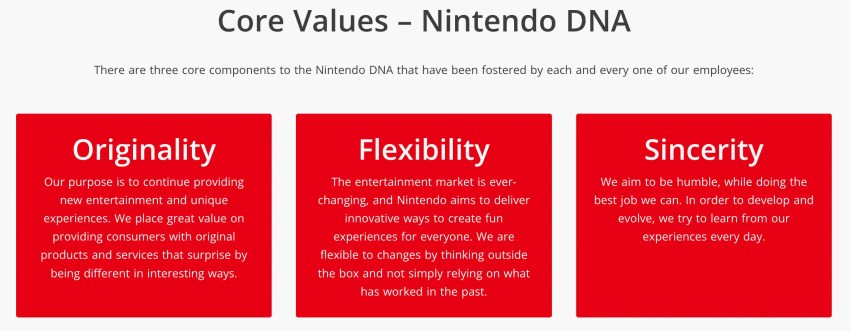
- Originality: Create distinctive experiences that surprise and delight customers.
- Flexibility: Adapt to changing expectations rather than relying on established ways of working.
- Sincerity: Act with humility, build trust through consistent actions, and learn from experience.
Core principle: Create positive experiences by combining innovation with sincerity and trust.
How it guides behavior: Employees are encouraged to think creatively, adapt to change, and improve through everyday learning.
What your business can learn: Good customer service doesn’t always require a rigid script. Establish values that help employees respond thoughtfully to individual needs while staying true to your brand.
3. Nextiva: Deliver Amazing Service®
At Nextiva, customer service is built around a straightforward commitment: Amazing Service®. For businesses relying on communication technology, service problems can directly affect their ability to connect with customers. That’s why Nextiva focuses on making support accessible (24/7), knowledgeable, and easy to navigate.

Its Amazing Service commitment includes:
- In-house support: Customers can contact trained Nextiva employees through phone, chat, and email.
- Personalized onboarding: Dedicated experts help new customers get set up and comfortable with the platform.
- Ongoing training: Customers can access guidance and resources to make better use of their communication tools.
Core principle: Make technology easier to use through dependable, personalized customer support.
How it guides behavior: Customer service teams combine product expertise, accessible assistance, and guided onboarding to help customers resolve problems and get value from their services.
What your business can learn: Your customer service philosophy should reflect what customers need most from your product. For a technology company, that might mean prioritizing reliability, technical expertise, and clear communication over generic promises of customer delight.
4. The Ritz-Carlton: Anticipate customer needs
Luxury hotel brand The Ritz-Carlton builds its service philosophy around the genuine care and comfort of its guests. Its well-known motto, “We are Ladies and Gentlemen serving Ladies and Gentlemen,” reflects an emphasis on professionalism and personal attention.
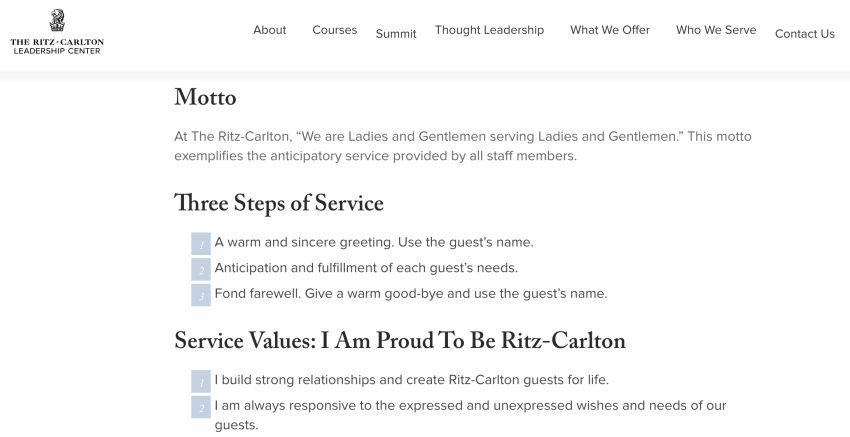
Rather than leaving exceptional hospitality open to interpretation, The Ritz-Carlton supports its philosophy with documented Gold Standards, including three steps of service:
- Welcome guests warmly and use their names.
- Anticipate and fulfill their needs.
- Give guests a warm, thoughtful farewell.
Core principle: Make every guest feel genuinely cared for through attentive, personalized service.
How it guides behavior: Employees focus on recognizing individual needs, anticipating requests, and creating thoughtful interactions.
What your business can learn: Make your philosophy proactive, not just reactive. Encourage employees to notice potential problems, personalize interactions, and help customers before they need to ask.
5. Zappos: Deliver WOW through service
Online retailer Zappos built its reputation around making exceptional customer service a defining part of its company culture. One of its best-known core values is “Deliver WOW Through Service.” Rather than treating support as a basic transaction, this principle encourages employees to create experiences that leave customers with a positive impression.
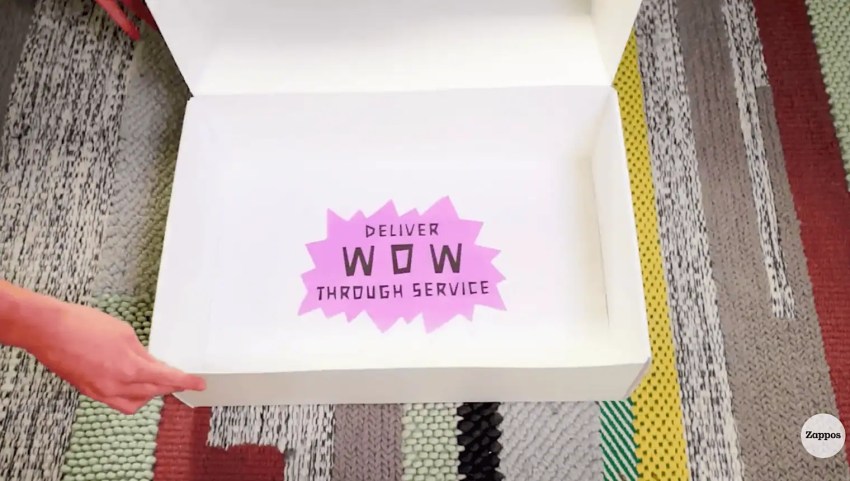
Zappos has historically reinforced this philosophy through a culture that values open communication, creativity, and going beyond routine service expectations. Its emphasis on service also complements its customer-friendly shopping policies, including free shipping and returns.
Core principle: Create memorable customer experiences by going beyond basic expectations.
How it guides behavior: Employees are encouraged to approach customer interactions with creativity, personal attention, and a willingness to help.
What your business can learn: Give employees room to make thoughtful decisions. When your team understands what exceptional service means, they can personalize their approach instead of relying solely on rigid scripts.
Sample customer service philosophy statements by business type
You don’t need to be a global brand to create an effective customer service philosophy. The best statement is one that reflects your customers’ needs, your company values, and the experience your team can realistically deliver.
Here are four examples you can adapt for your business.
Small business — Personal attention and trust
“We treat every customer like a neighbor. We listen carefully and take pride in making every interaction friendly and helpful. When something goes wrong, we take responsibility and work to make it right.”
This philosophy suits local businesses that depend on personal relationships, community reputation, and repeat customers. It emphasizes trust, approachability, and accountability.
SaaS business — Clarity and problem resolution
“We make complex technology feel simple. We listen to our customers, explain solutions clearly, and take ownership of every support request. Our goal is to help customers solve problems quickly and get lasting value from our product.”
This statement works for software companies whose customers need technical guidance, reliable support, and confidence using their tools. It prioritizes clear communication and problem resolution.
Retail business — Convenience and respect
“We make shopping easy and enjoyable. We help customers find what they need, give honest recommendations, and resolve concerns fairly. Every customer deserves friendly service and a smooth experience, whether shopping in person or online.”
Retail businesses can use this approach to encourage consistent support across stores, ecommerce channels, and customer service professionals.
Service business — Reliability and accountability
“We respect our customers’ time, communicate clearly, and deliver on our promises. We keep customers informed and take responsibility for the quality of our work. We aim to earn trust through dependable service at every step.”
This statement is particularly relevant to home services, repair companies, consultants, and other businesses where customers depend on appointments, expertise, and reliable delivery.
The common thread: Each statement describes the experience the business wants to deliver, identifies the values that matter most, and explains how each and every one of their employees should act. That’s what turns a customer service philosophy from a collection of good intentions into a practical guide for everyday service.
Free Customer Service Philosophy Template
Ready to create your own customer service philosophy? You don’t need a lengthy document or a complicated set of rules. A simple, one-page framework can help your team define what matters most and put those principles into practice.
Blank customer service philosophy template
Use this template to capture your customer service vision, core values, and everyday service expectations. You can copy it into a document or download the PDF, and then complete it with your team.
| Component | Your customer service philosophy |
|---|---|
| Our purpose | At [Company name], our mission is to [describe why your business exists and whom it serves]. |
| Our customer service vision | We want every customer to feel [describe the experience or outcome you want customers to have]. |
| Our customer promise | We commit to [describe what customers can consistently expect from your team]. |
| Our core values | The three values that guide our service are: 1. [Value] 2. [Value] 3. [Value] |
| How we put our values into action | We demonstrate these values by: 1. [Specific behavior for Value 1] 2. [Specific behavior for Value 2] 3. [Specific behavior for Value 3] |
| How we make decisions | When facing a difficult customer situation, we prioritize [key principles, such as fairness, transparency, or ownership]. |
| How we measure success | We evaluate our service using [relevant metrics or customer feedback], and regularly review how well we’re meeting our commitments. |
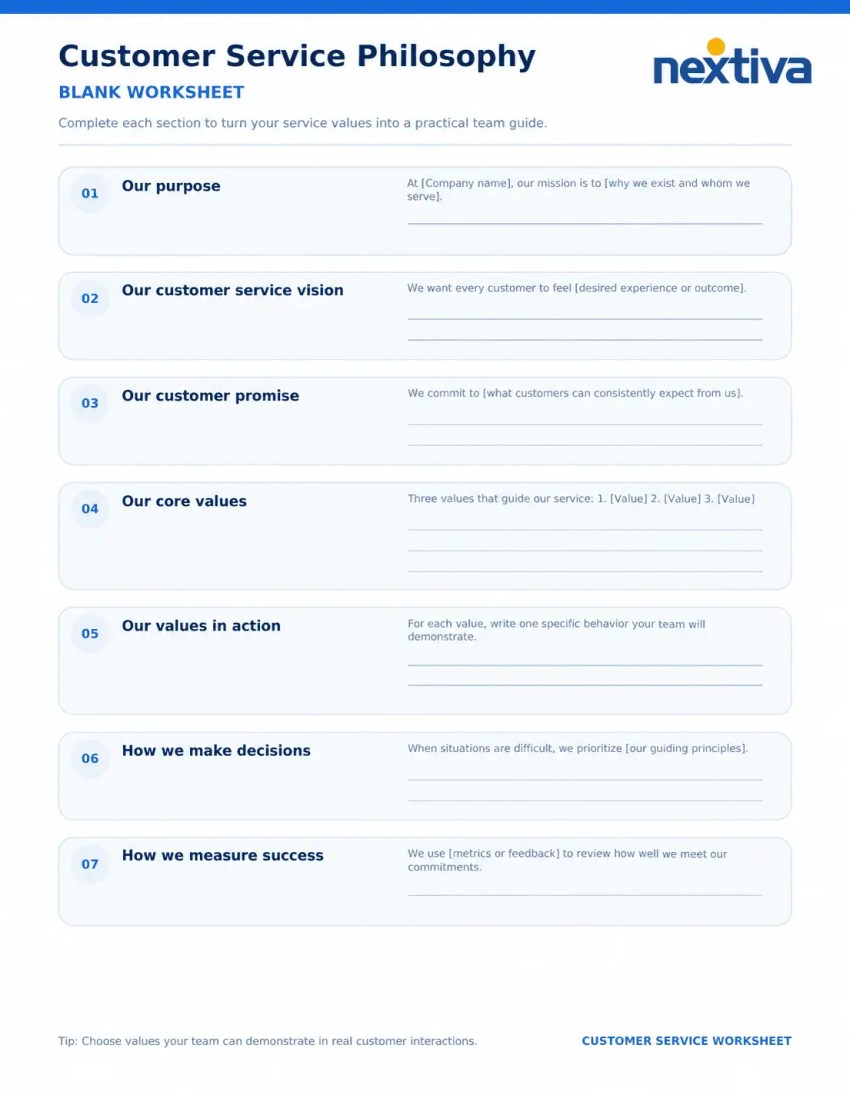
Tip: Keep your philosophy clear, memorable, and specific to your business. Choose values that actually reflect your brand’s personality and describe them using action verbs like listen, resolve, communicate, and follow through. The goal is to create a practical guide that employees can use, not just a list of corporate buzzwords.
Completed customer service philosophy example
Here’s how a growing SaaS company providing business communication software might fill out the template.
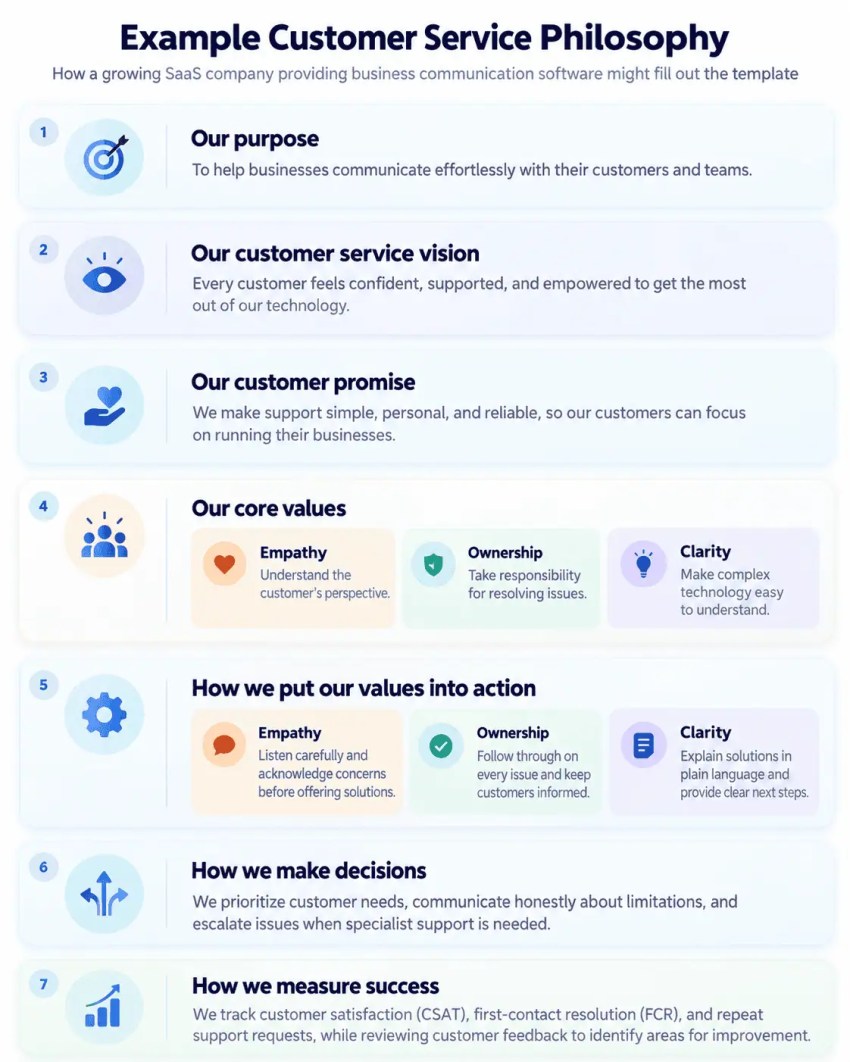
Once completed, you can turn these answers into a concise customer service philosophy statement:
“We make business communication easier by providing simple, reliable, and personal support. We listen with empathy, take ownership of customer challenges, and communicate clearly at every step. Our goal is to help every customer feel confident using our technology and supported whenever they need us.”
Keep in mind that your customer service philosophy should evolve with your business. Revisit it as customer expectations change, your team grows, and new support channels or technologies are introduced.
How to Write a Customer Service Philosophy in 7 Steps
A strong customer service philosophy should reflect what your customers need, what your business stands for, and how your team delivers support. The key is turning broad ideas like empathy, honesty, and customer satisfaction into practical guidelines employees can follow.
Use these seven steps to build a philosophy your team can understand, remember, and put into action.
Step 1: Align your philosophy with customer needs
Start by connecting your company’s mission and vision with what customers actually expect from your support team.
Review your mission statement, customer feedback, support tickets, and common customer complaints. You can also use customer surveys and conversations with frontline employees to identify what matters most throughout the customer journey.
Ask yourself:
- What problems do customers rely on us to solve?
- What kind of experience do they expect when contacting support?
- Where does our current service fall short?
- How can our customer service philosophy support our broader company mission?
For example, a SaaS business promising to simplify communication should make its support experience equally straightforward. Customers shouldn’t have to navigate confusing processes to get help using a product designed to make their lives easier.
Your output: A short description of your customers’ top three service expectations and how they connect to your company’s mission.
Step 2: Identify your core customer service values
Next, define the principles that should guide your team’s decisions and interactions.
Bring together a small group of leaders and employees from customer-facing departments and ask them: “What do we want customers to think and feel when they interact with our company?” Brainstorm values such as empathy, honesty, accountability, respect, speed, personalization, and service quality. Then narrow the list to three to five customer service principles that genuinely reflect your brand.
Avoid choosing values just because they sound impressive. According to Gallup research, only 19% of employees strongly agree that their manager explains how company values influence their work.
That’s why your customer service values need to be more than words on a page. Leaders should demonstrate what those values look like in everyday customer interactions and reinforce them through coaching and feedback.
Your output: A list of three to five core service values, each with a one-sentence explanation of what it means for your customers.
Step 3: Write your customer service vision statement
Now, combine your company’s mission, customer expectations, and core values into a clear customer service vision. This statement describes the experience you want every customer to have. Keep it short enough for employees to remember and specific enough to guide their actions.
A strong vision statement should:
- Be easy to understand: Avoid jargon and vague promises.
- Focus on the customer: Describe how customers should feel or benefit.
- Reflect your capabilities: Make promises your team can realistically deliver.
- Inspire action: Give employees a shared goal to work toward.
For example, a software company’s customer service vision might be: “Make every customer interaction simple, supportive, and empowering, so businesses can use our technology with confidence.”
Before finalizing your statement, share it with a few employees and stakeholders. Ask whether it accurately represents the experience your company wants to provide.
Your output: A one- or two-sentence customer service vision that reflects your values and customers’ needs.
Step 4: Turn your values into actionable behaviors
Your customer service philosophy only matters if employees know how to put it into practice.
For each core value, define the specific customer behaviors that demonstrate it during everyday interactions. For example:
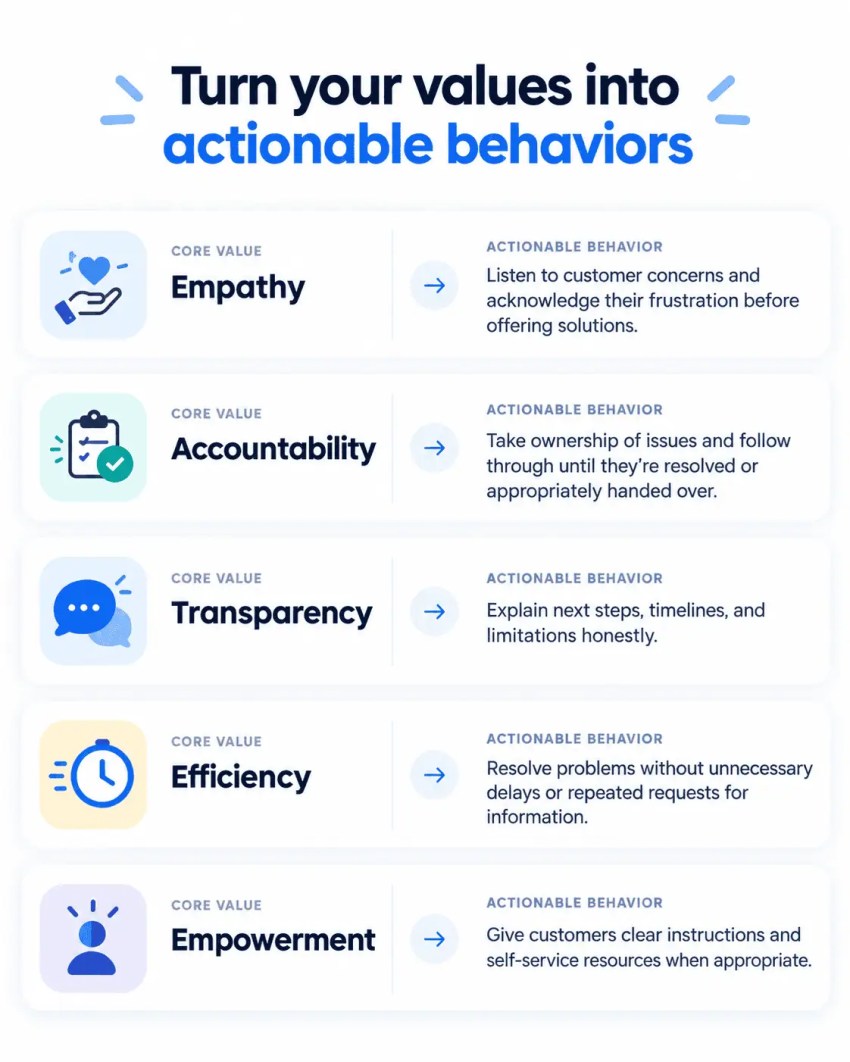
Think about how these behaviors should apply across phone, email, live chat, and other support channels. Your customers should receive the same level of care regardless of how they contact you.
You can also connect behaviors to relevant performance measures. For example, a philosophy emphasizing effective problem resolution might prioritize first-contact resolution (FCR), while one focused on ease of service could track customer effort score (CES).
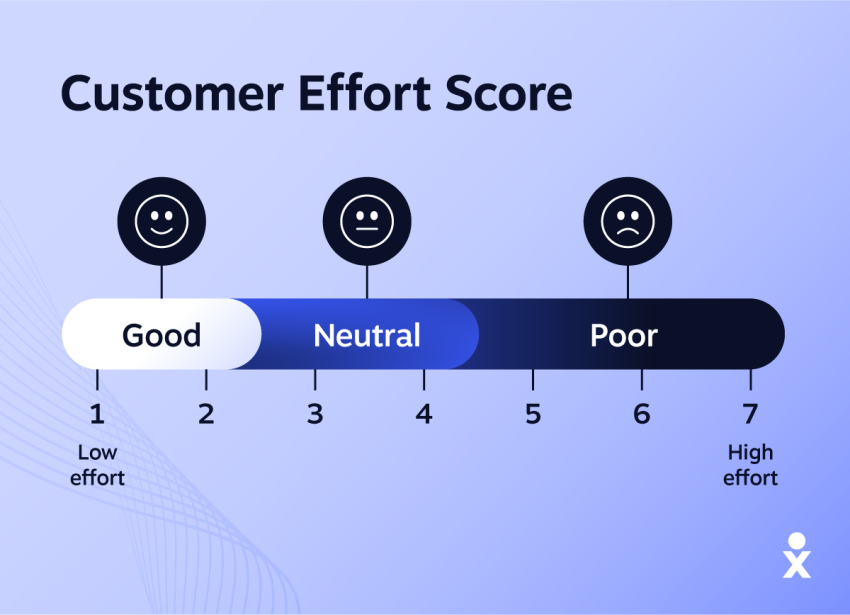
Your output: At least one observable behavior for each core value, along with relevant measures of success.
Step 5: Document and share your philosophy
Once you’ve defined your vision, values, and behaviors, bring them together into a single customer service philosophy document.
Use the customer service philosophy template above to organize your customer promise, decision-making principles, and service expectations. Include a short philosophy statement employees can easily reference. Then make sure the document is accessible across your organization. You can introduce it through:
- Team meetings: Explain the philosophy and demonstrate how it applies to real customer situations.
- Employee onboarding: Introduce new hires to your service values from day one.
- Internal knowledge bases: Give employees a central place to reference guidelines and examples.
- Coaching and performance reviews: Recognize behaviors that reflect your philosophy and identify areas for improvement.
Don’t simply publish the document and assume everyone will follow it. Managers should reinforce the philosophy through their own decisions and everyday coaching.
Your output: A finalized customer service philosophy document and a plan for communicating it across your organization.
Step 6: Incorporate your philosophy into hiring and training
Your customer service philosophy should influence how you recruit, onboard, and continue to train your employees. During interviews, use behavior-based questions to assess how candidates approach situations that reflect your service values.
For example, if accountability is a core value, ask: “Tell me about a time you took responsibility for solving a customer’s problem, even when it wasn’t directly your responsibility.” Look for specific examples of good judgment, communication, and problem-solving rather than simply asking candidates whether they agree with your values.
Once employees join your team, reinforce your philosophy through role-playing exercises, real support scenarios, coaching, and ongoing training. For example, you could give agents a scenario involving an upset customer and ask them to demonstrate empathy, explain next steps, and take ownership of the resolution.
This helps turn your philosophy into practical skills instead of leaving it as an abstract set of expectations.
Your output: Two or three behavior-based interview questions and a training exercise that reinforces your core service values.
Step 7: Gather employee feedback and refine your philosophy
Your customer service philosophy shouldn’t be a one-time project. It should evolve as your customers, employees, and business change.
Ask employees how they interpret your values and whether those principles help them make decisions. You can collect feedback through team meetings, one-on-one conversations, and employee surveys. Pay particular attention to situations where employees struggle to apply the philosophy or where two values seem to conflict.
For example, what happens when resolving an issue quickly would mean offering an incomplete solution? Your philosophy should help employees decide whether speed or thoroughness takes priority.
Review relevant customer service metrics, including customer satisfaction (CSAT), first-contact resolution, and customer feedback, to identify areas where your service experience might not match your stated values.

Different departments can contribute, too. Your customer support team can flag recurring problems, product teams can address usability concerns, and leadership can ensure that company decisions reinforce the customer promise.
Revisit your philosophy periodically, especially after major changes to your products, customer expectations, or service operations.
Your output: A recurring review process that includes employee feedback, customer insights, and clear ownership of any changes to your philosophy.
By the end of these seven steps, you’ll have more than a customer service philosophy statement. You’ll have a shared framework for guiding employee decisions, delivering consistent support, and building stronger customer relationships.
How to Make Your Customer Service Philosophy Part of Everyday Support
A customer service philosophy only works when it shapes how your team handles real customer interactions. To turn your values into consistent service, build them into your workflows, support tools, and everyday decisions.
Here are three ways to put your philosophy into practice.
1. Build your values into support workflows
Translate your core values into clear procedures for handling customer requests, resolving complaints, and escalating complex issues.
For example, if accountability is one of your values, establish clear rules for ticket ownership. Customers shouldn’t have to explain their problems repeatedly or figure out which department is responsible.
Start by:
- Assigning an owner to every support request.
- Defining when and how issues should be escalated.
- Creating guidelines for handling complaints and service failures.
- Reviewing workflows to identify unnecessary customer effort.
2. Equip agents with the right tools and information
Even the most dedicated support team can’t deliver consistent service without access to accurate customer information.
Use a centralized knowledge base, shared customer histories, and omnichannel customer support tools to help agents understand each customer’s situation and provide relevant solutions.
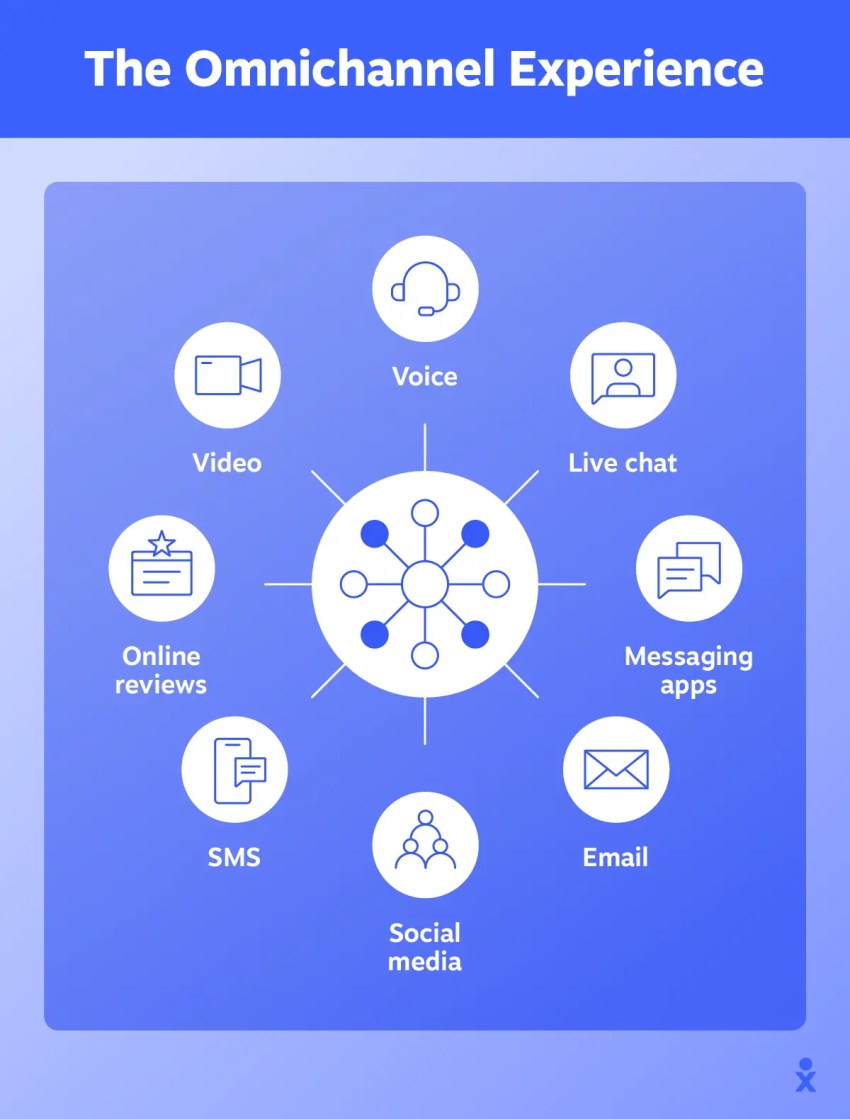
For example, if a customer starts a conversation through live chat and later calls your support team, the agent should be able to review the previous interaction without asking the customer to start over.
Make sure agents can easily access updated troubleshooting guides, customer records, and escalation procedures.
3. Make sure AI-powered support reflects your values
Your customer service philosophy should guide automated interactions just as much as conversations with human agents.
AI-powered customer service tools can help answer routine questions, route requests, and provide support outside regular business hours.
But they should still reflect your company’s values. For example:
- Transparency: Make it clear when customers are interacting with an AI assistant.
- Empathy: Use conversational, respectful language that acknowledges customer concerns.
- Accountability: Provide a clear path to human support when AI can’t resolve an issue.
- Consistency: Ensure AI responses follow the same policies and service standards as your agents.
Regularly review automated conversations to identify inaccurate answers, frustrating experiences, and opportunities to improve.
The goal isn’t to automate your philosophy. It’s to make sure every customer interaction, whether human or AI-assisted, delivers on the same service promise.
How to Measure Whether Your Customer Service Philosophy Works
A customer service philosophy should do more than inspire your team. It should lead to measurable improvements in the customer experience.
To see whether your philosophy is working, track customer service metrics that reflect your core values. For example, if your philosophy emphasizes making support effortless, measure how easy it is for customers to resolve their issues, not just how quickly agents respond.
Here are five useful metrics to consider:
| Metric | What it measures | Values it supports |
|---|---|---|
| Customer Satisfaction (CSAT) | How satisfied customers are after a support interaction. | Empathy, quality, personalization |
| Customer Effort Score (CES) | How easy it is for customers to get help or resolve problems. | Simplicity, convenience, empowerment |
| First-Contact Resolution (FCR) | The percentage of issues resolved during the first interaction. | Efficiency, ownership, reliability |
| Repeat Contact Rate | How often customers contact support again about the same issue. | Accountability, thoroughness, quality |
| Quality Assurance (QA) Reviews | How consistently agents demonstrate expected behaviors, such as active listening, clear explanations, and follow-through. | Empathy, transparency, consistency |
Don’t rely on numbers alone. Review customer feedback, support conversations, and QA observations to understand why your results are improving or declining. For example, a high FCR might suggest your team resolves problems efficiently, but poor customer feedback could reveal that agents are rushing interactions or failing to show empathy.
Start with 2-3 metrics that best reflect your philosophy. Establish a baseline, set realistic improvement goals, and review results regularly with your team.
Most importantly, use what you learn to improve coaching, workflows, and service standards. The goal isn’t simply to achieve better scores, but to ensure your customers consistently experience the values your business promises.
Turn Your Customer Service Philosophy Into Everyday Action
A great customer service philosophy isn’t just a statement on your website. It’s a commitment your team demonstrates through every customer interaction. By defining clear values, turning them into actionable behaviors, and measuring what matters, you can create a consistent customer experience that builds trust and long-term loyalty.
But delivering on that promise takes more than good intentions. Your teams need to communicate, collaborate, and access the right customer information to resolve issues efficiently.
That’s where Nextiva can help. With unified communications and customer experience tools that connect conversations across channels, Nextiva helps teams work together and deliver the responsive, personalized support their customers expect.
The bottom line: Your customer service philosophy defines the experience you promise. The way your team communicates and supports customers is what brings that promise to life.
Turn Your Customer Service Philosophy Into Everyday Action
With Nextiva’s AI-powered contact center, you can connect customer conversations across channels, equip agents with the information they need, and use AI-powered tools to deliver faster, more personalized support.
FAQs
An example of a customer service philosophy is: “We put customers first by listening to their needs, taking ownership of problems, and providing clear, timely solutions. We treat every customer with empathy and respect, striving for customer service excellence in every interaction.”
This philosophy emphasizes empathy, accountability, and responsiveness while giving employees clear principles to guide their everyday interactions.
A mission statement explains why your business exists and what it aims to achieve, while a customer service philosophy defines the values and principles that guide how your team treats customers.
For example, a software company’s mission might be to simplify business communication, while its customer service philosophy emphasizes empathy, accountability, and clear communication. Your philosophy then shapes your customer service strategies, helping employees turn those values into consistent, positive customer experiences.
The most important principles of a customer service philosophy are empathy, accountability, transparency, consistency, and empowerment. These values help employees understand customer needs, take ownership of problems, communicate honestly, and deliver reliable support.
When consistently applied, these principles build customer trust, improve satisfaction, and strengthen customer retention by giving people more reasons to stay loyal to your business.
Review your customer service philosophy at least once a year, or whenever your business, customer expectations, or support processes change significantly. Use customer data, employee feedback, and satisfaction surveys to identify gaps between your stated values and the service you deliver.
Regular updates help ensure your philosophy remains relevant, addresses the evolving needs of existing customers, and continues to guide your team toward consistent, high-quality support.