Customer Experience
 Blog
 Business Communication
 Leadership
 Marketing & Sales
 Nextiva News
 Productivity
 VoIP



A digital engagement platform touches every channel your customers use, yet most businesses see zero clicks despite its high visibility. That gap between visibility and action tells you something: teams know they need these tools, but they can’t figure out which ones actually solve their problem. The wrong choice means months of integration work for a system your reps never open.
The stakes keep climbing.
We Are Social’s 2026 report found that online adults now use an average of 6.75 different social media platforms each month, and that doesn’t count email, SMS, in-app messaging, or voice. Your customers scatter across more channels every year, and a platform that can’t unify those threads creates more problems than it solves.
Below, you’ll find a clear breakdown of what digital engagement platforms do, the features that separate real solutions from marketing fluff, and which platforms earn their price tag.
Key Points
- A digital engagement platform centralizes customer interactions across email, SMS, chat, social, and in-app messaging into one system, using shared data and automation to deliver personalized communication at scale, replacing the disconnected tools most teams use.
- We Are Social’s 2026 report found that online adults now use an average of 6.75 different social media platforms each month, and that doesn’t count email, SMS, in-app messaging, or voice, which means customers scatter across more channels every year.
- A McKinsey study found that 71% of customers expect personalized interactions and 76% get frustrated when it doesn’t happen, which digital engagement platforms address by using first-party behavioral data and CRM fields to customize touchpoints beyond simple name insertion.
- Salesforce data shows that many customers prefer self-service for simple issues, so knowledge bases, AI chatbots, and smart IVR deflect routine queries and free live agents for complex conversations that actually need a human.
- One study found that many users would abandon a product due to poor onboarding, which digital engagement platforms address with personalized product tours, tooltips, and in-app guidance tailored to each user’s expected workflow.
- The cost of bringing back an existing customer is a fraction of acquiring a new one, and digital engagement platforms make reactivation systematic rather than ad hoc by using retention-specific engagement models to re-engage dormant users with timely, personalized campaigns.
What Is a Digital Engagement Platform?
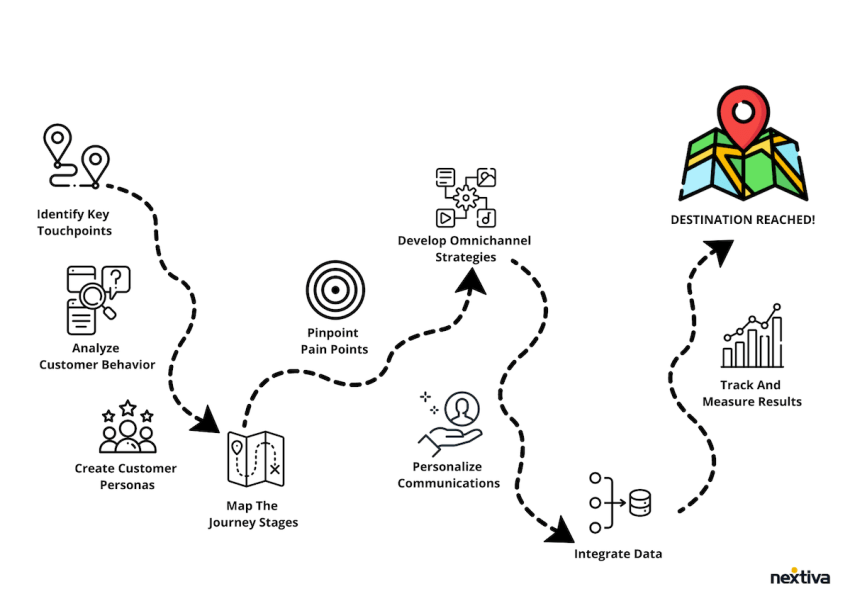
A digital engagement platform is software that centralizes customer interactions across online channels into a single system. Email, SMS, chat, social, and in-app messaging all flow through one place, using shared data and automation to deliver personalized communication at scale.
It replaces the patchwork of disconnected tools most teams duct-tape together.
That definition deserves a quick distinction.
Customer engagement platforms and digital engagement platforms overlap heavily, but “digital engagement” specifically emphasizes online and digital-first channels rather than traditional call center or in-person touchpoints. Many vendors use the terms interchangeably.
A CRM stores contact records. A digital engagement platform acts on them in real time, triggering messages based on behavior, routing conversations to the right agent, and tracking every interaction across channels so nobody asks the customer to repeat themselves.
Core capabilities to expect
Every digital engagement solution shares a baseline feature set, though depth varies significantly by vendor.
- Multichannel messaging. Send and receive across email, SMS, live chat, social DMs, and WhatsApp from one interface.
- Real-time interaction tracking. You see what a customer did five minutes ago, which feeds personalization and agent context.
- AI chatbots and workflow automation. Handle repetitive requests without human involvement and then hand off cleanly when the conversation gets complex.
- CRM and CDP integrations. Pull purchase history, support tickets, and behavioral signals into a unified customer profile.
- Behavioral triggers and segmentation. Automate outreach based on actions your customers actually take.
Digital Engagement Software Features That Actually Matter
Every vendor’s feature page reads like a wish list.
The features below change daily operations for support, sales, and marketing teams. If a platform is weak on any of these, you’ll feel it within weeks.
Omnichannel messaging
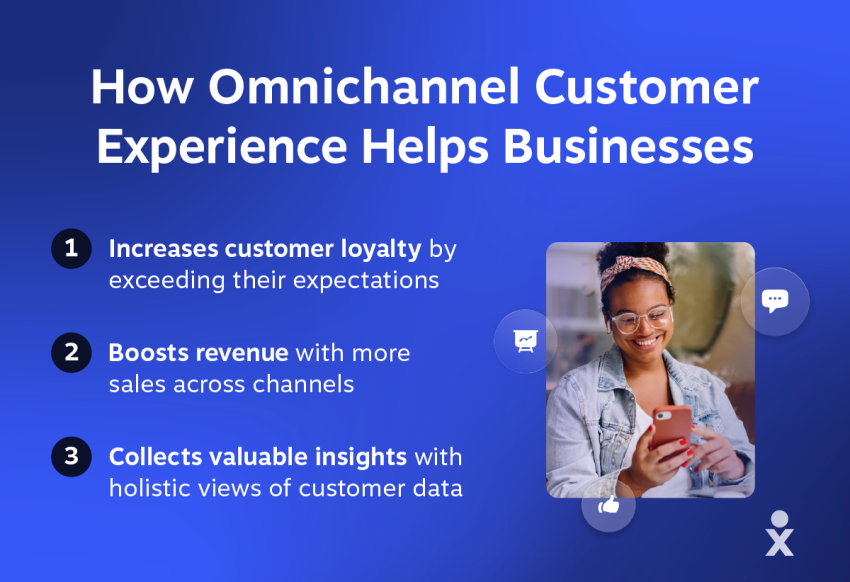
Most platforms claim “multichannel.” Fewer deliver true omnichannel customer engagement, where context follows the customer from chat to email to phone without anyone re-explaining the issue.
A Salesforce study found that many customers expect consistent interactions across departments, but many feel like they’re talking to separate companies. That gap is precisely what omnichannel messaging closes.
Personalization and segmentation
A McKinsey study found that 71% of customers expect personalized interactions, and 76% get frustrated when it doesn’t happen.
Digital engagement platforms address these issues by using first-party behavioral data and CRM fields to customize touchpoints. The best platforms go beyond “Hi {first_name}” and tailor content, timing, and channel based on what a specific person actually did.
AI and automation
AI in engagement platforms is no longer a nice-to-have. It handles chat routing, predicts which customers are about to churn, automates follow-up sequences, and powers the self-service tools that users increasingly prefer.
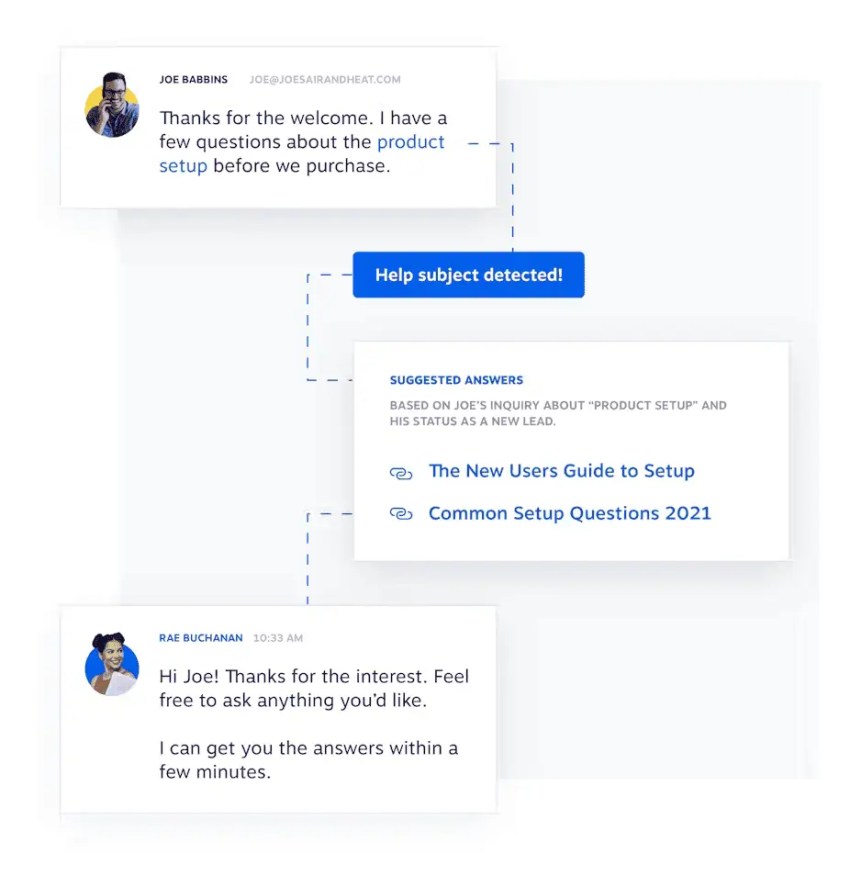
Your agents stop answering “Where’s my order?” for the 40th time today and start handling the conversations that actually need a human touch.
CRM integration
A digital engagement platform without CRM integration is just another silo.
Your team needs real-time access to purchase history, open tickets, and past conversations the moment a customer reaches out. Without that context, personalization falls apart and agents waste time asking questions the company already has answers to.
Analytics and reporting
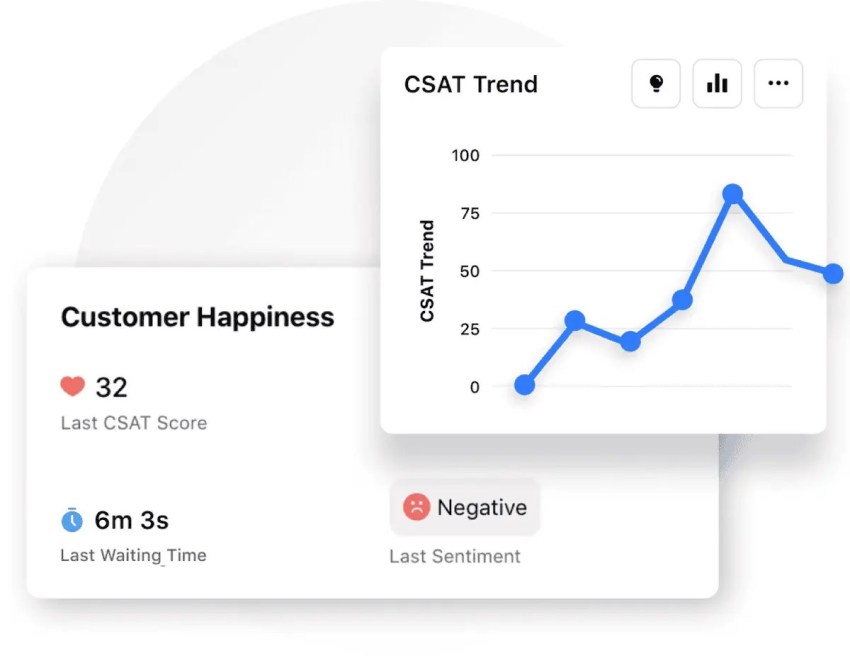
Track resolution time, CSAT, open rates, and conversion rates in one place.
Reporting turns engagement from guesswork into a system you can improve. Look for platforms that let you build custom dashboards rather than locking you into pre-built views.
Self-service options
Salesforce data shows that many customers prefer self-service for simple issues.
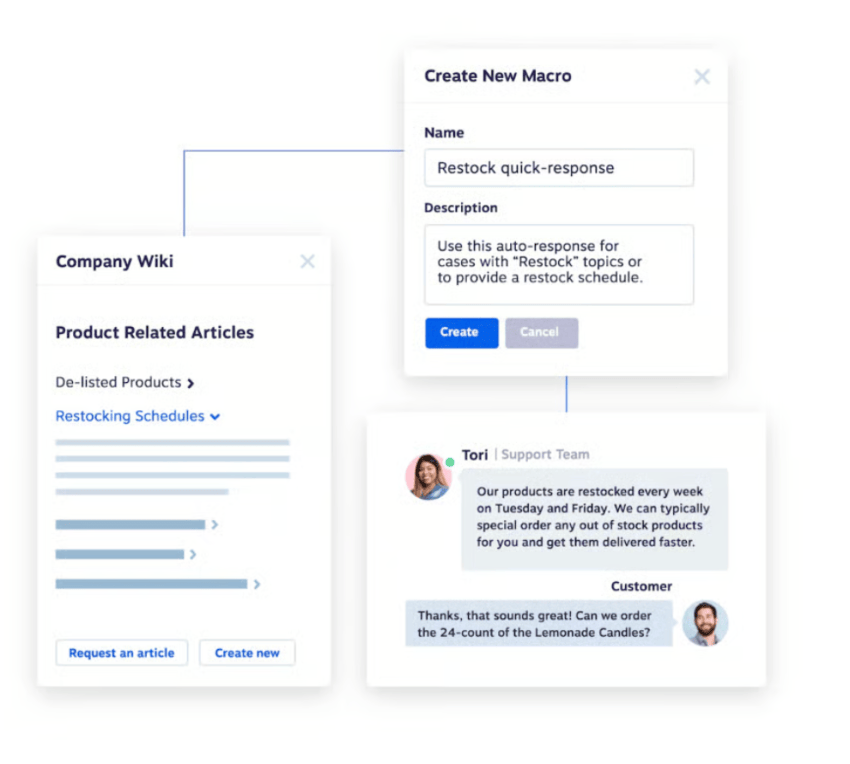
Knowledge bases, AI chatbots, and smart IVR deflect routine queries and free your live agents for the complex stuff. If your platform doesn’t support self-service, you’re staffing for volume you don’t need to handle manually.
Open APIs and integrations
Gartner’s 2026 Peer Insights guidance positions profile unification as the foundational feature for any digital engagement platform.
Open APIs make that possible by connecting your engagement tools to marketing automation, sales systems, and internal databases. Without them, you’re copying data between screens.
Digital Engagement Platform Comparison
Before diving into each platform, here’s a side-by-side view of how the top picks compare on the features that matter most. Use this to narrow your shortlist before reading the detailed breakdowns.
| Platform | Best For | Channels | AI Features |
|---|---|---|---|
| Nextiva | All-in-one CX + comms | Voice, SMS, email, chat, video, social | Chat routing, IVR, predictive engagement |
| Userpilot | In-app product engagement | In-app only | Copy assistant, A/B testing |
| Intercom | Conversational support | Chat, email, social, in-app | Fin AI bot, multilingual chat |
| Pendo | Mobile/web app analytics | In-app (mobile + desktop) | AI chat, behavior segmentation |
| Salesforce Marketing Cloud | Enterprise lifecycle marketing | SMS, email, social, paid media | Einstein AI predictions, send-time optimization |
| Chatbase | Conversational sales (B2B) | Web chat, email | Lead qualification, meeting booking |
| Braze | Lifecycle marketing campaigns | Push, email, in-app, web | Frequency capping, predictive segmentation |
| Sprout Social | Social media engagement | Twitter, Instagram, Facebook, TikTok, LinkedIn | Sentiment tracking, response detection |
1. Nextiva: Best all-in-one engagement platform for support, sales, and service
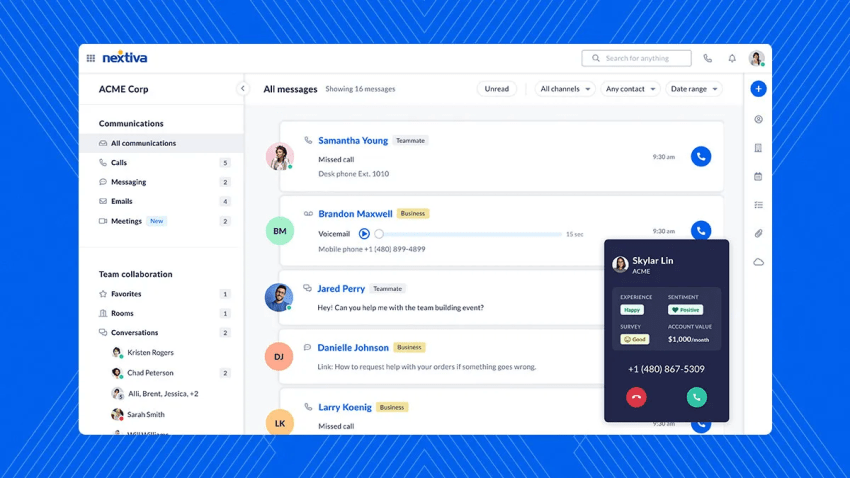
Nextiva’s digital customer engagement platform combines voice, SMS, email, video, live chat, and CRM data into a single interface.
What sets it apart from most engagement-only tools is that it includes a full contact center and business phone system, so you’re not bolting together separate products for communication and engagement.
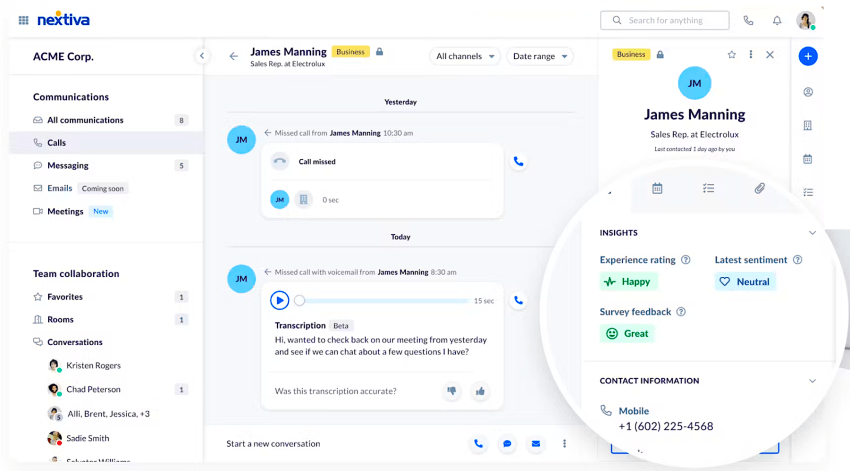
Support, sales, and marketing teams share a complete customer view that includes past purchases, open tickets, and interaction history.
The platform’s AI-driven automation handles chat routing and workflow triggers, while smart IVR and AI chatbots reduce ticket volume. Real-time dashboards track CSAT, first response time, and channel engagement KPIs alongside built-in CDP capabilities for a 360-degree customer profile.
Nextiva is ideal for companies that want unified communications and digital engagement in one platform instead of managing separate vendors.
2. Userpilot: Best for in-app product engagement
Userpilot focuses on what happens inside your product.
Its no-code builder creates onboarding flows, feature announcements, and tooltips without engineering support. The platform auto-captures user behavior (clicks, form completions) without manual tagging, which gives product teams real data instead of guesses about how customers use features.
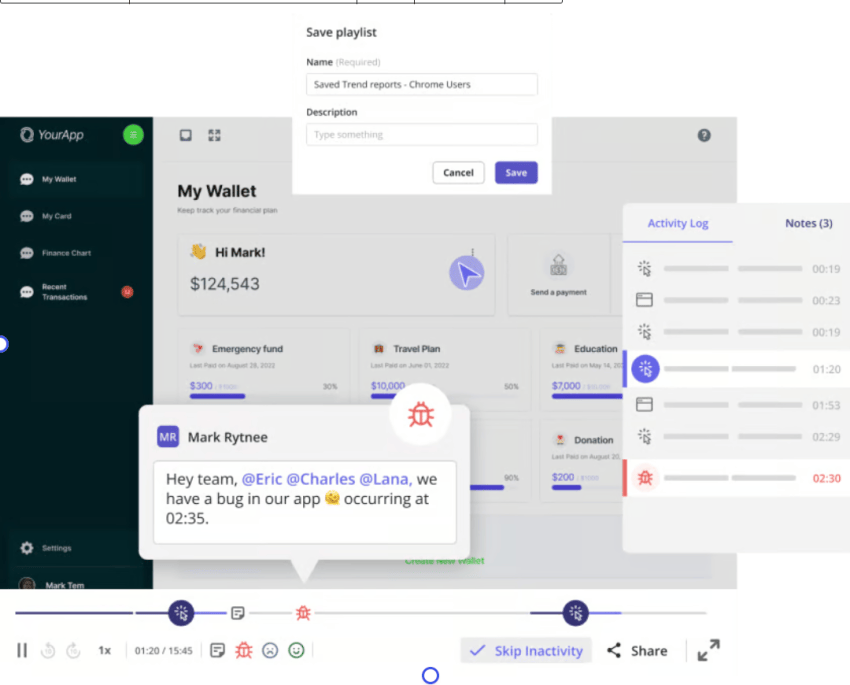
Userpilot only covers in-app engagement. If you need email, SMS, or social, you’ll pair it with another tool. For SaaS companies focused on onboarding and feature adoption, that’s a reasonable trade.
3. Intercom: Best for conversational support and multilingual chat
Intercom’s AI chatbot Fin resolves common issues, collects interaction data, and routes high-intent leads to the right department.
Multilingual live chat with human handoff makes it a strong pick for global brands managing high inbound volume.
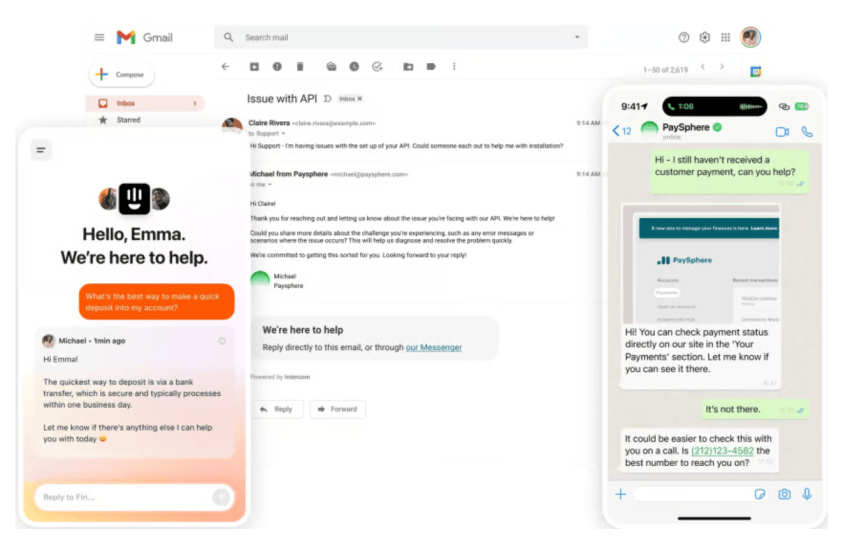
The help center, ticketing, and inbox live in a shared workspace.
Behavioral targeting and outbound messaging campaigns round out the feature set, but Intercom’s pricing can climb fast once you scale past smaller team sizes.
4. Pendo: Best for mobile and web app engagement
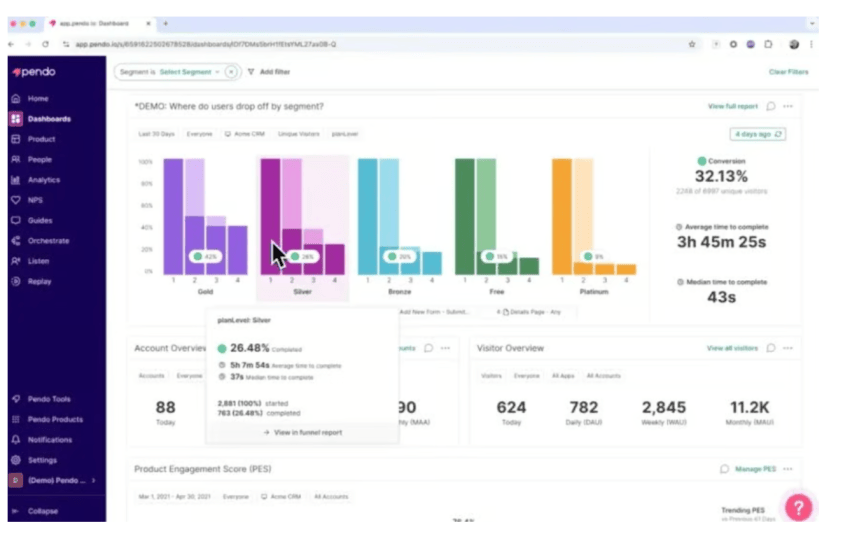
Pendo offers deep usage analytics with segmentation by behavior and demographics.
Guide creation and flow triggers work across mobile, desktop, and tablet. Product-led growth teams use it to build rich in-app user journeys with onboarding support, feature discovery, and survey delivery.
5. Salesforce Marketing Cloud: Best enterprise engagement marketing platform
If you’re already in the Salesforce ecosystem, Marketing Cloud fits naturally.
Journey Builder connects touchpoints across SMS, email, social, and paid media. Einstein AI predicts customer behaviors and optimizes send times. The built-in integrations with Sales Cloud and Service Cloud keep data flowing across teams.
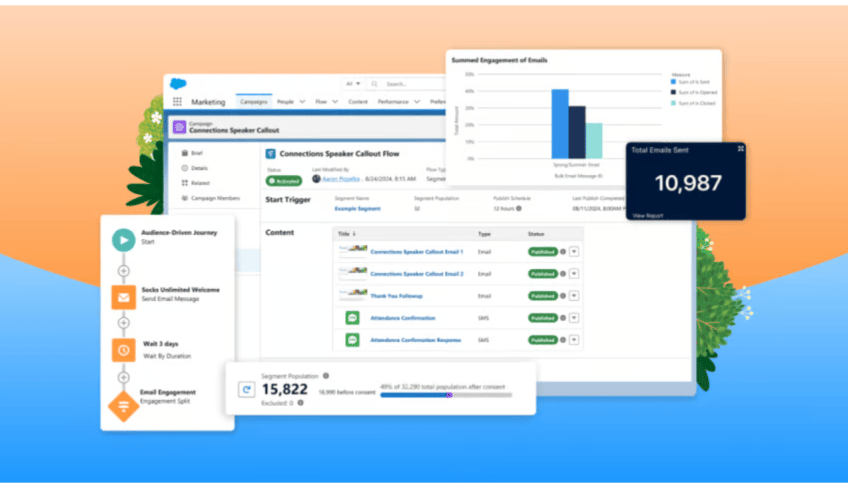
Salesforce Marketing Cloud is powerful but complex. Smaller teams without a dedicated admin often underuse it. If you’re not already running Salesforce CRM, the ramp-up can be steep.
6. Chatbase: Best for conversational sales and B2B engagement
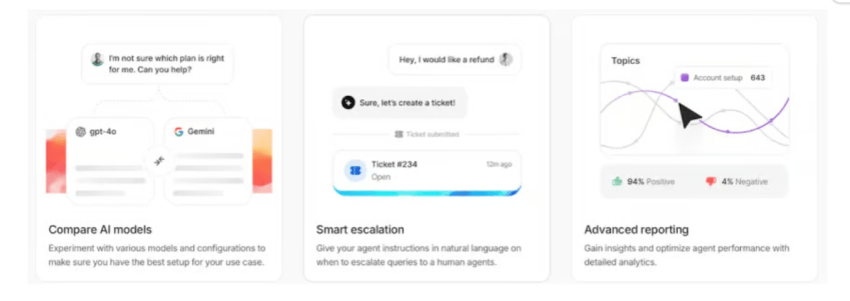
Chatbase uses AI agents to qualify leads, book meetings, and route high-intent conversations.
It integrates with Salesforce, Marketo, and LinkedIn Ads. B2B sales teams focused on real-time conversions get the most value here, though the platform’s scope is narrower than full-suite engagement tools.
7. Braze: Best for lifecycle marketing and real-time campaigns
Braze handles high-performance messaging across push notifications, email, in-app, and web.
Advanced personalization via Liquid templating and predictive segmentation makes it a go-to for mobile-first brands. AI-powered frequency capping prevents message fatigue, and real-time audience updates trigger workflows the moment behavior changes.
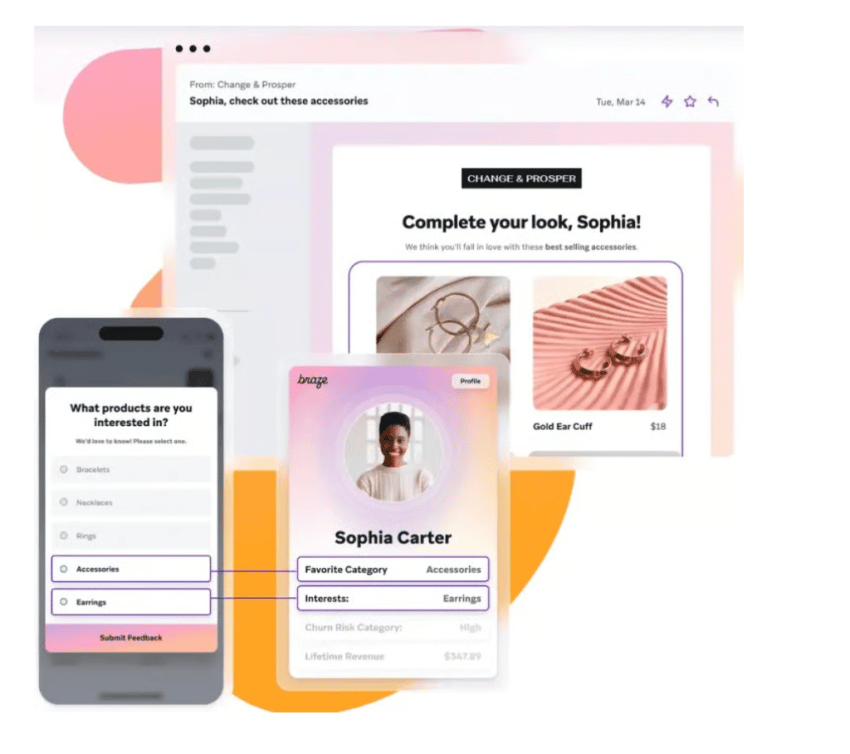
Braze is ideal for consumer-facing businesses running agile, cross-platform campaigns.
8. Sprout Social: Best for social media engagement
Sprout Social’s unified inbox covers Twitter, Instagram, Facebook, TikTok, and LinkedIn.
Built-in social listening catches mention spikes early, and AI-powered response detection helps teams prioritize which messages need attention first. Campaign planning and post scheduling live in the same UI as support tools.
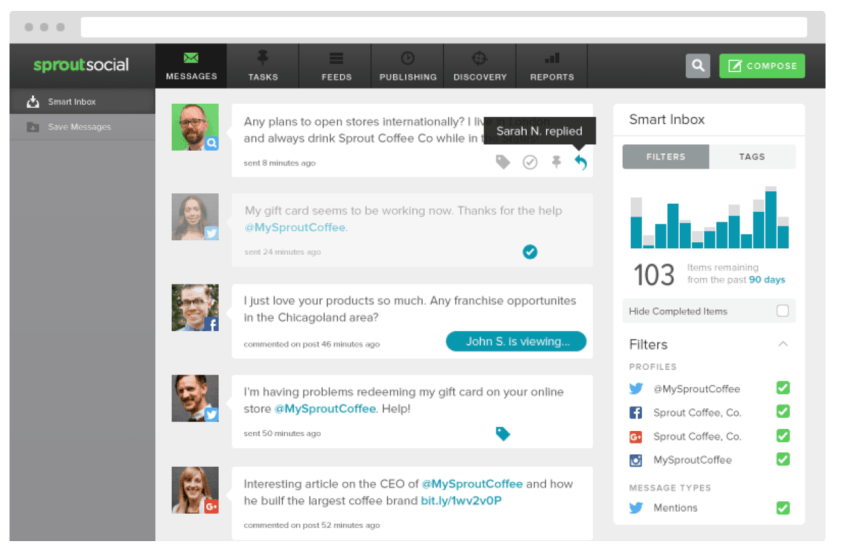
Sprout Social is ideal for social-first brands and support teams managing DMs and comments at scale.
Use Cases for Digital Engagement Platforms
Which use case matters most depends on your team structure and where your biggest customer experience gaps are.
Here’s where we see these platforms deliver the most measurable impact.
Customer support
Digital engagement platforms combine AI automation, self-service, and historical customer data to deliver faster support across every channel.
A customer who starts on live chat and escalates to phone shouldn’t have to re-explain the problem. The right platform makes that continuity automatic.
Sales enablement
Engage prospects in real time with chat, outbound email, and smart routing.
Your platform qualifies leads via chatbot, keeps warm prospects engaged with sequenced emails, and routes ready-to-buy contacts to the right rep. The handoff between marketing and sales gets cleaner when both teams share the same engagement data.
Onboarding and activation
One study found that many users would abandon a product due to poor onboarding.
Digital engagement platforms address this with personalized product tours, tooltips, and in-app guidance tailored to each user’s expected workflow. For SaaS companies especially, this is where customer engagement strategy directly affects retention.
Content marketing engagement
A content marketing engagement platform automates segmented campaigns triggered by user behavior.
Someone downloads a whitepaper, and the system sends a related case study three days later. Someone visits the pricing page twice, and a sales rep gets notified. The platform removes the manual work that makes these sequences impractical at scale.

Retention and loyalty
Use retention-specific engagement models to re-engage dormant users with timely, personalized reactivation campaigns.
The cost of bringing back an existing customer is a fraction of acquiring a new one, and digital engagement platforms make reactivation systematic rather than ad hoc.
Healthcare and financial services
Both industries face strict privacy and security requirements.
Healthcare companies need HIPAA-compliant messaging and IVR triage. Financial services firms offer secure self-service for account checks and payments. The key requirement is that your digital engagement technology must meet every applicable compliance standard before you consider features.
E-commerce
Reduce cart abandonment with proactive SMS and email alerts.
Use in-app pop-ups to cross-sell based on the customer’s cart and purchase history. Digital engagement platforms turn one-time buyers into repeat customers when the follow-up happens at the right moment through the right channel.
How To Choose the Right Online Engagement Platform
The comparison table earlier in this guide narrows the field.
Now you need to match a platform to your actual situation. Here’s the decision framework we’d recommend.
Start with your channels
Which channels do your customers actually use?
If most of your support volume comes through chat and email, a platform built around social listening is the wrong fit. Map your real channel mix before you evaluate features.
Assess your integration needs
A 2026 Research and Markets report outlines a composable-architecture roadmap that prioritizes unified customer data, consent controls, and open APIs as the standard for scalable engagement.
That means your engagement platform needs to connect cleanly with your CRM, CDP, marketing tools, and internal systems. Check the integration directory before you schedule a demo.
Match complexity to team size
Enterprise platforms like Salesforce Marketing Cloud require dedicated admins.
If your team has three people, that overhead kills your ROI. On the other hand, a lightweight tool might hit its ceiling the moment you need advanced segmentation or multi-step workflows. Choose a platform that fits your current needs and can grow with you over the next 18 to 24 months.
Buying for five years out often means paying for features you won’t touch.
Build Engagement That Scales With Your Business
The right digital engagement platform does three things.
It unifies your channels so customers don’t repeat themselves, it gives your team real-time context to personalize every interaction, and it automates the repetitive work that slows everyone down. Everything else is a feature list.
Start your evaluation with the comparison table above and the decision framework.
Map your channels, verify your integrations, and match the platform’s complexity to your team’s actual capacity. Skip the demos for platforms that don’t pass those three filters.
See How Nextiva Unifies Your Digital Engagement
Nextiva’s CX platform brings voice, SMS, email, chat, and CRM data into a single system. Support, sales, and marketing teams share one customer view with built-in AI automation, smart IVR, and real-time analytics.
Create an amazing customer experience.
The ultimate CX platform that goes beyond conversations. Engage on every channel with Nextiva’s platform for the best customer experience.
Frequently Asked Questions
Timelines vary based on channel count, how much data you migrate, and how many systems you integrate. Most teams move fastest by launching one or two high-impact channels first, then expanding once you stabilize routing, permissions, and reporting.
Confirm the vendor’s encryption, data retention controls, audit logs, and role-based access, then review whether it supports your required standards (for example, HIPAA, SOC 2, PCI DSS, or GDPR). You should also verify how consent and preference work across channels so your outreach stays compliant.
Build a simple model around measurable levers. Reduced ticket handling time, higher self-serve completion, improved conversion from high-intent conversations, and fewer tool licenses all contribute. Use conservative assumptions, align on baseline metrics, and define a payback period target before you buy.
Ownership works best as a shared program with one operational lead (often CX or RevOps) and clear governance for templates, routing rules, and data access. Cross-functional ownership prevents channel silos and keeps messaging, handoffs, and reporting consistent.
The biggest issues are mismatched customer identifiers, unclear source-of-truth rules, and partial integrations that do not pass key context into agent workflows. Avoid this by defining identity resolution early, mapping required fields per use case, and testing end-to-end handoffs before you add more channels.
Set channel-level guardrails. Contact frequency limits, quiet hours, and priority rules determine which messages win when multiple triggers fire. Preference centers and ongoing deliverability monitoring also help ensure your customers receive fewer, more relevant touchpoints.
Focus on adoption and experience metrics first. Agent utilization, time to first response by channel, containment or deflection rate, and conversation-to-resolution rate all matter. Once your workflows stabilize, expand to revenue and retention indicators tied to specific journeys and segments.