

 Productivity
  Blog
Blog  Business Communication
  Customer Experience
  Leadership
  Marketing & Sales
  Nextiva News
  VoIP
VoIP 
A lone wolf may be a skilled hunter, but the strength of a wolfpack allows them to thrive and conquer challenges truly. The same applies to a work environment.
Improving team productivity is no easy task. It requires continuous effort, experimentation, and a strategy that produces long-term results. When done correctly, high team productivity reduces errors, improves work quality, enhances job satisfaction, and enhances customer experiences.
Follow our guide for tips on increasing productivity to help management and team leaders unlock their teams’ full potential, creating a stronger pack.
What Is Team Productivity?
Team productivity measures completed projects or tasks and the quality of work a team achieves.
It also refers to how well a team works together to produce desired outcomes, and encompasses various elements such as collaboration, communication, task management, motivation, and the ability to overcome obstacles.
Basically, team productivity is about creating an environment where each team member can perform at their best and where the collective output is greater than the sum of individual efforts.

11 Tips to Improve Team Efficiency
Let’s look at eleven ways you can improve your team’s productivity.
1. Assess team strengths and weaknesses
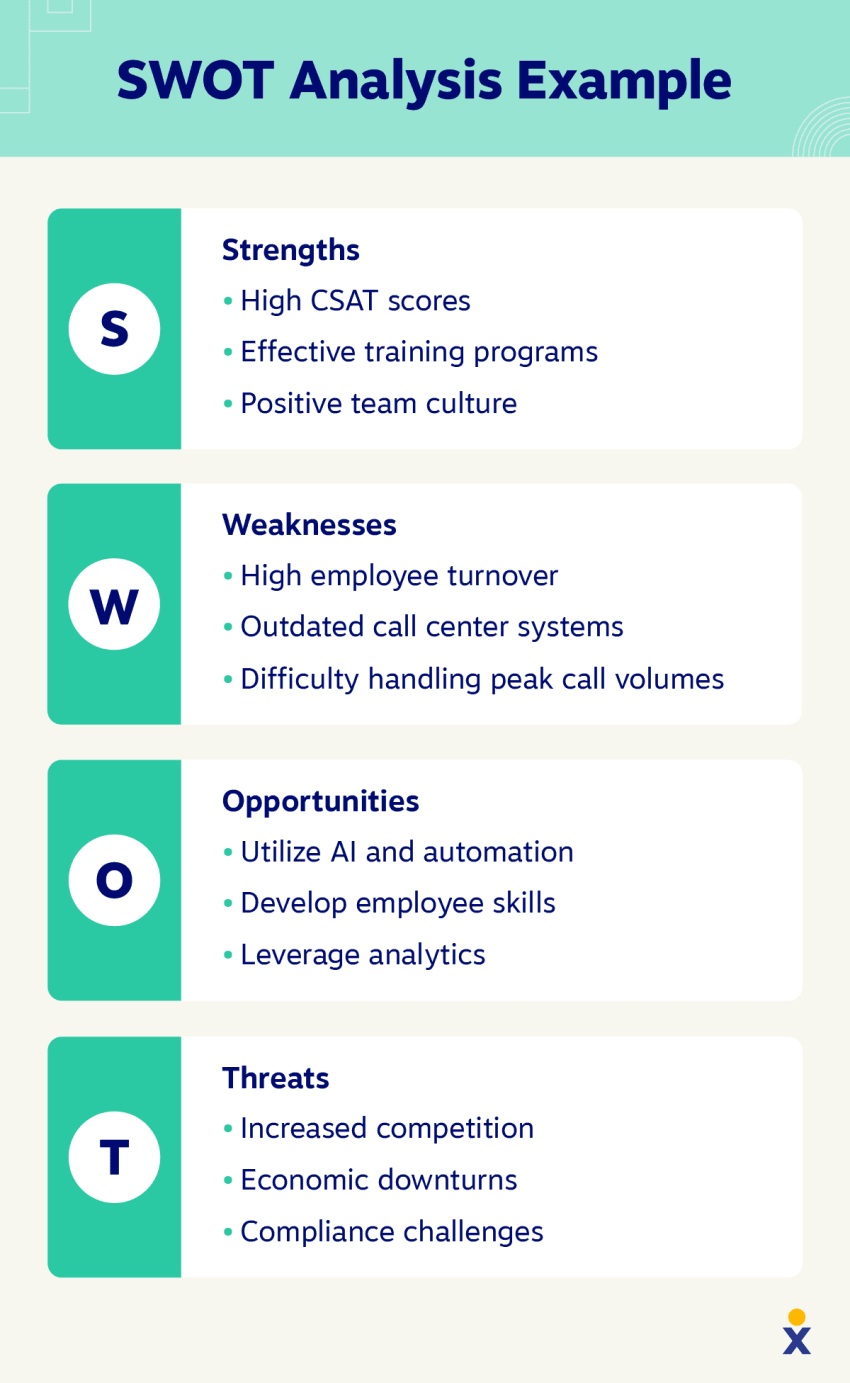
A thorough understanding of your team’s capabilities is important for maximizing productivity. There are a few techniques to use to identify your team’s strengths and weaknesses to help them be more productive at work, such as:
- SWOT analysis: Use this framework to evaluate the team’s strengths, weaknesses, opportunities, and threats.
- Performance evaluations: Assess individual performance metrics and review past projects to identify what worked well and what didn’t.
- Observe team dynamics: Watch how team members interact and collaborate.
By recognizing your team’s unique talents and areas for improvement, you can strategically allocate tasks and provide targeted support. This self-awareness allows you to build on existing strengths while addressing potential vulnerabilities.
Pro Tip: Consider using personality assessments or skills matrices to gain deeper insights into team member capabilities.
2. Define team goals and objectives
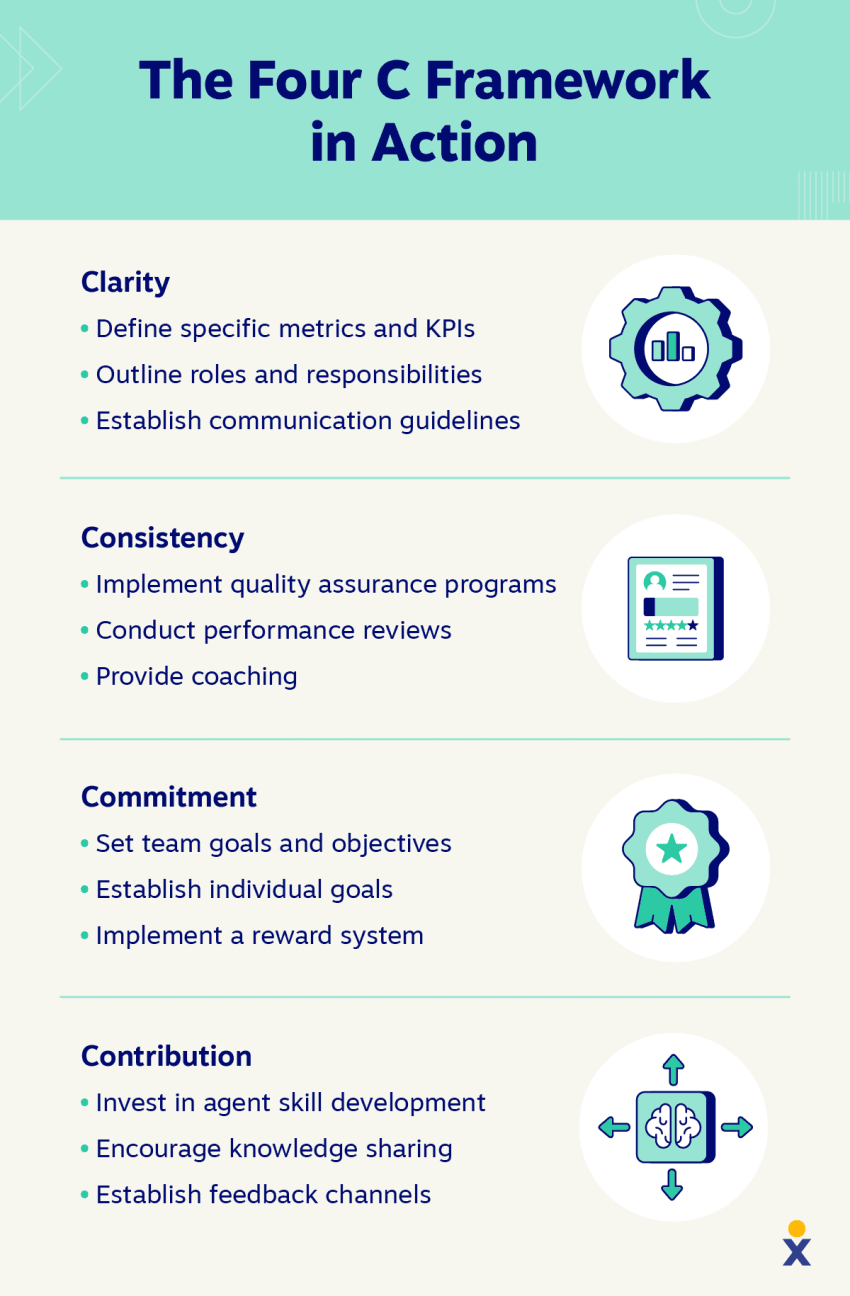
Clearly defined goals provide a roadmap for your team. Ensure that everyone understands the overarching objectives and how their individual contributions align with the team’s mission. By establishing a shared vision and customer service goals, you foster a sense of purpose and direction.
Consider using OKRs (Objectives and Key Results) to connect strategy and execution. OKRs help teams pursue ambitious outcomes while tracking the exact metrics that drive progress. Break large goals into smaller, actionable steps to keep momentum strong, and use regular feedback loops to keep the team aligned and motivated.
Pro Tip: Involve the team in goal-setting to increase buy-in and ownership.
3. Set clear expectations and roles
Effective teamwork relies on clear communication and defined roles. Outline each team member’s responsibilities, expectations, and deliverables to prevent misunderstandings and overlaps.
Establishing clear boundaries and responsibilities empowers team members to take ownership of their work. Regular check-ins and open business communication channels can help maintain clarity and address any emerging challenges.
Pro Tip: Use role-playing exercises or simulations to reinforce expectations and clarify roles.
4. Provide the right tools and technology
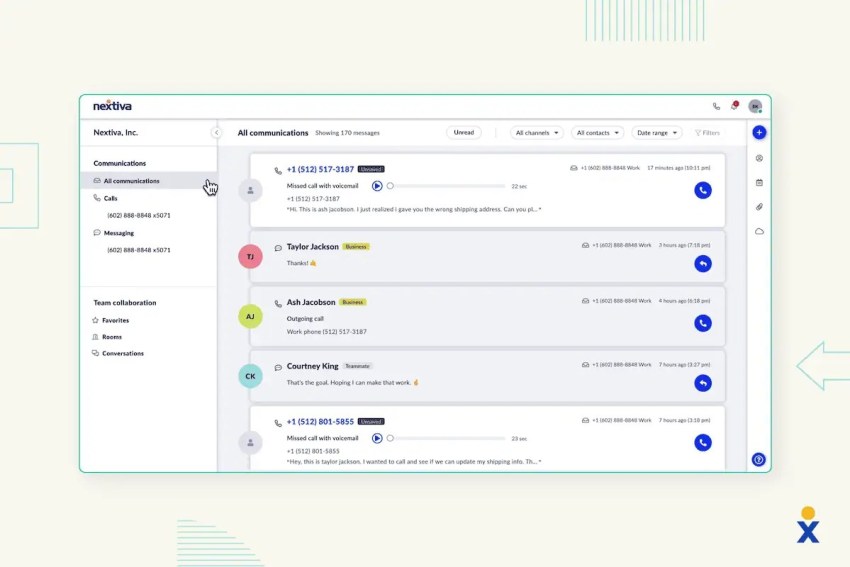
Give your team the tools they need, but avoid piling on more apps than they can manage. Build a focused tech ecosystem that supports every part of their work. To improve productivity, group your tools by purpose so each area stays covered:
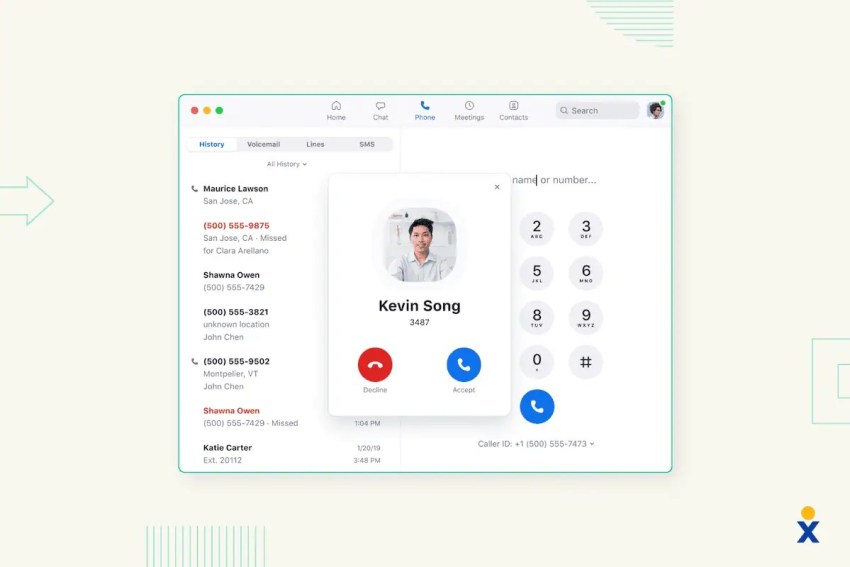
- Communication tools: Unified platforms (like Nextiva) bring voice, video, and chat into one place and reduce the need to jump between apps.
- Project management tools: Platforms such as Asana, Trello, or Jira let teams track tasks, timelines, and ownership in a clear, visual way.
- Customer relationship management (CRM): Tools that ensure everyone has access to the same customer data and prevent information silos.
Review your technology stack often to make sure it still supports how your team works today without adding digital clutter.
Pro Tip: Conduct regular technology training sessions to maximize tool utilization.
5. Implement time management strategies
An effective time management strategy helps increase team productivity and maximize their time at work. Encourage your team to prioritize tasks, set deadlines, and break down large projects into smaller, manageable steps.
Implementing time-tracking tools can help identify time sinks and areas for improvement. Teaching time management methods like the Pomodoro Technique or time blocking can help individuals optimize their focus and efficiency.
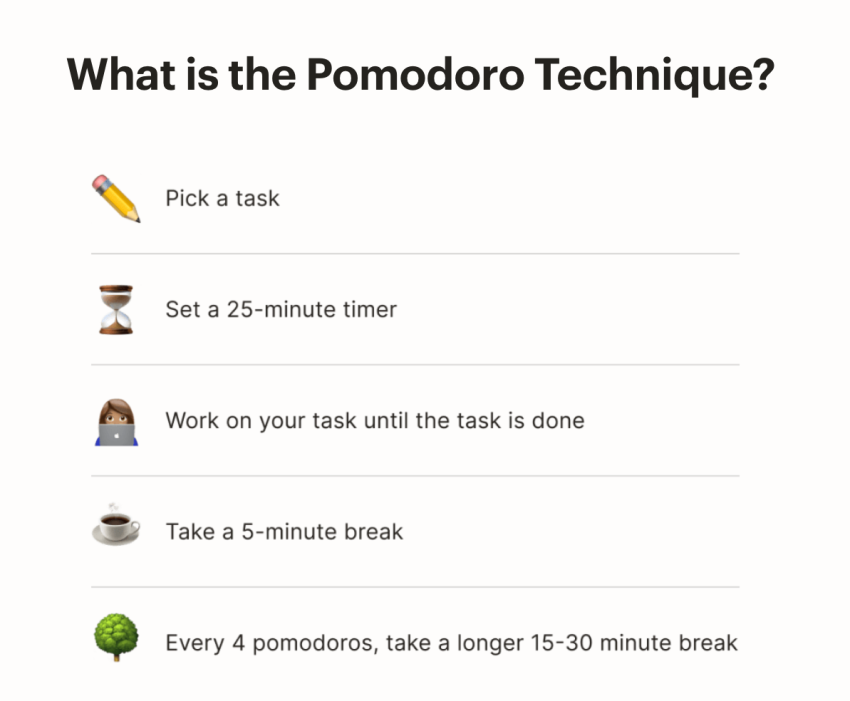
Pro Tip: Encourage the Pomodoro Technique, where teams work in focused 25-minute intervals with short, 5 to 10-minute breaks.
6. Find a balance for team meetings
Meetings can consume valuable time if not managed effectively. According to business leaders, limiting meetings to 15 minutes helps reduce employee burnout and boosts engagement levels. Establish clear objectives for every meeting and stick to the agenda.
Encourage concise and focused discussions. Consider alternative meeting formats like stand-ups or virtual meetings to save time and improve efficiency. Regularly evaluate the effectiveness of your meetings and make adjustments as needed.
Pro Tip: Implement a “No Meeting Monday” policy to encourage focused work time.
7. Create a collaborative culture and a healthy work environment
A positive and collaborative work environment is essential for boosting team productivity. Fostering open communication, mutual respect, and trust among team members creates a supportive atmosphere where ideas can flourish.
Prioritize employee wellness and well-being by offering flexibility, work-life balance, and opportunities for professional growth. A healthy work environment increases job satisfaction, reduces turnover, and improves overall performance.
Pro Tip: Encourage social interactions and team-building activities to strengthen relationships.
8. Recognize and reward achievements
Employee recognition is a powerful motivator. Celebrate individual and team successes to boost morale and create a sense of accomplishment. To do this effectively, mix up your rewards:
- Tangible rewards: Bonuses, gift cards, or extra time off.
- Intangible rewards: Public praise, shout-outs in team meetings, or opportunities for advancement.
By showing appreciation for employees’ contributions, you reinforce positive behaviors and encourage continued high performance.
Pro Tip: Use a peer-to-peer recognition program to foster a culture of gratitude.
9. Boost engagement with gamification
Gamification can transform work into a fun and engaging experience. Incorporate game-like elements into your team’s workflow, such as points, badges, or leaderboards, to increase motivation and competition. Create customer service or sales contests to add a sense of competition.
Gamification can foster a sense of accomplishment, promote teamwork, and improve overall productivity. Nextiva’s gamification contact center helps with gamification concepts, such as:
- Individual scoring and tracking for resolution rates
- Team battles on sales conversion percentages
- Organization leaderboards for best customer satisfaction (CSAT) scores
10. Monitor team progress
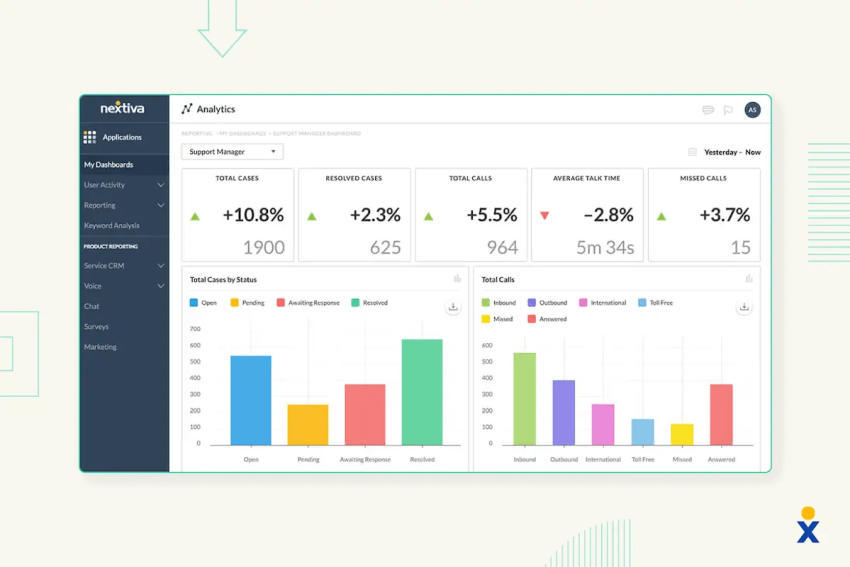
Regularly tracking your team’s progress helps identify bottlenecks, celebrate successes, and make necessary adjustments. Utilize project management tools to monitor task completion, deadlines, and overall project timelines.
By analyzing performance metrics, you can identify areas for improvement and provide targeted support to team members. Regular progress updates also help maintain transparency and accountability within the team.
Pro Tip: Use data visualization to make progress easily understandable.
11. Encourage employee feedback
Valuing employee input is essential for continuous improvement. Create opportunities for team members to share their thoughts and suggestions on processes, tools, and work environment. Conduct regular feedback sessions, surveys, or one-on-one meetings to gather valuable insights. Implementing employee-driven changes can boost morale, increase engagement, and drive innovation.
| Nextiva’s Advanced IVR features an Employee Opinion Survey that allows management teams to create, deploy, and manage automated phone surveys asking employees to rate their level of satisfaction with elements of their job, experience, and organization on a scale of one to five. |
How to Measure Team Productivity
Measuring team productivity requires a holistic approach that considers both quantitative and qualitative factors. By tracking the right metrics and gathering employee feedback, you can gain valuable insights into your team’s performance and identify areas for improvement.
Set a north star
Before diving into metrics, establish a clear vision of what “productivity” means for your team. This overarching goal will guide your measurement efforts. For example, your North Star might be “to deliver exceptional customer experiences through efficient and collaborative teamwork.”
Create SMART goals
Develop specific, measurable, achievable, relevant, and time-bound goals for your team. These customer service goals should align with your North Star and provide a clear framework for tracking progress. By setting SMART goals, you can create a shared sense of purpose and focus among team members.
Use a mix of qualitative and quantitative methods
To get a comprehensive picture of team productivity, consider a combination of feedback, and metrics and KPIs. Quantitative data, such as output, efficiency, and turnaround time, can provide valuable insights. However, qualitative data gathered through surveys, interviews, and observations can reveal deeper insights into team dynamics, morale, and overall well-being.
To put this into practice, here are three specific metrics high-performing teams use to cover both bases:
- Lead time: This shows how long it takes to deliver a request from the moment someone makes it. Long lead times often indicate bottlenecks in the approval process or resource shortages.
- Cycle time: Similar to lead time, but this measures only the time the team spends actively working on the task (excluding waiting time). If cycle time is low but lead time is high, your team is working fast, but your process is slow.
- Employee net promoter score (eNPS): You can’t have a productive team without engaged employees. eNPS measures how likely team members are to recommend your workplace to others. A drop in eNPS is a leading indicator that burnout is rising and productivity is about to crash.
The Role of AI in Boosting Team Output
Busy work stands in the way of real productivity. Repetitive, low-value tasks eat up time that teams could spend on meaningful work. AI removes that barrier.
When teams add AI tools to their workflows, they shift administrative work to automation and put their energy into high-impact tasks.
- Automated summarization: Tools like Nextiva transcribe and summarize video meetings, so teams capture every action item without taking manual notes.
- Predictive analytics: AI analyzes historical data to forecast peak workloads, which helps managers schedule staff properly and reduce burnout.
- Workflow automation: AI routes customer calls to the right agent, sends follow-up emails, and handles routine steps that slow teams down.
AI does not replace human effort. It clears the path so teams can focus on work that drives real results.
A Checklist for Choosing Team Productivity Software
With thousands of tools on the market, choosing the right software can feel overwhelming. Before you buy anything, run each option through this checklist to make sure it helps your team instead of slowing it down:
- Is it all in one? Does it combine messaging, video, and file sharing to reduce app switching?
- Is it scalable? Can the tool grow with your team, or will you need to replace it within a year?
- Does it offer analytics? Can you pull clear usage and performance reports without relying on a data team?
- Is it user-friendly? A steep learning curve hurts adoption and wastes time.
- Does it integrate? Does it connect smoothly with your existing CRM and calendar tools?
- Is support reliable? If the tool goes down, can you reach 24/7 support to get back online fast?
- Is it mobile-ready? Can your team work effectively from anywhere, or does productivity stop when they leave their desks?
Enhance Team Productivity with Nextiva
Team productivity is a top priority for businesses, particularly in support roles, where managing customer service call centers efficiently is key. Support leaders rely on insights and analytics to optimize operations, and team productivity tools that can help take operations to the next level.
Nextiva offers a comprehensive solution to enhance team productivity in customer experience. With features like unified communication, centralized information, and seamless collaboration, Nextiva’s productivity platform streamlines workflows, reduces the need for app switching, and improves efficiency. Try Nextiva today and learn how we can help make your team more productive.
All conversations in one place.
Say goodbye to messy apps, missed connections, and siloed conversations with Nextiva.