Productivity
 Blog
 Business Communication
 Customer Experience
 Leadership
 Marketing & Sales
 Nextiva News
 VoIP



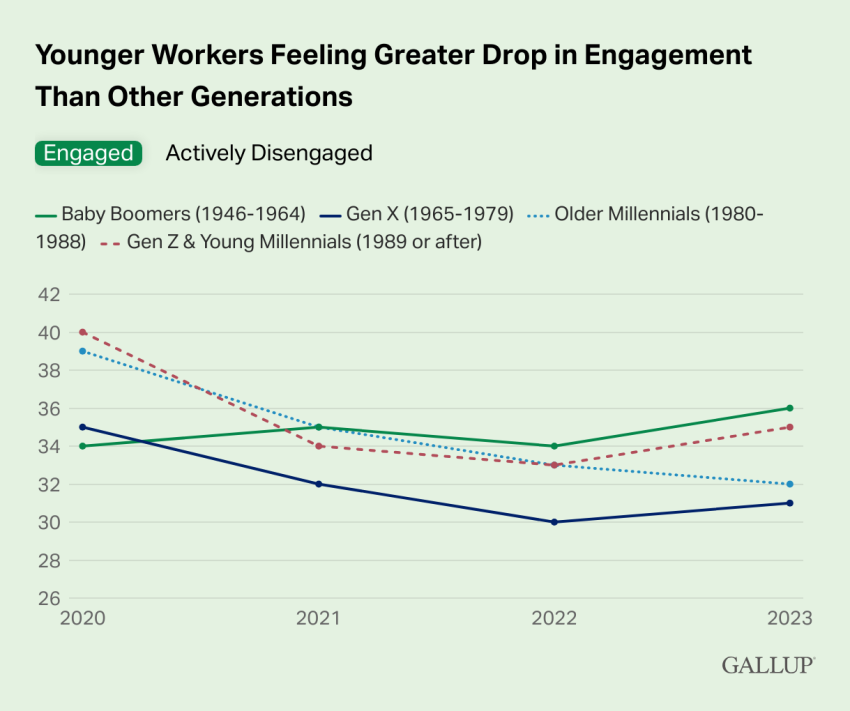
A 2024 Gallup survey found that 30% of U.S. workers and 23% of workers globally were engaged. Low engagement can affect productivity, retention, and customer service.
Contact centers often face additional engagement challenges. Agents may feel unsupported when they lack effective training, useful feedback, manageable schedules, recognition, or the tools needed to resolve customer issues.
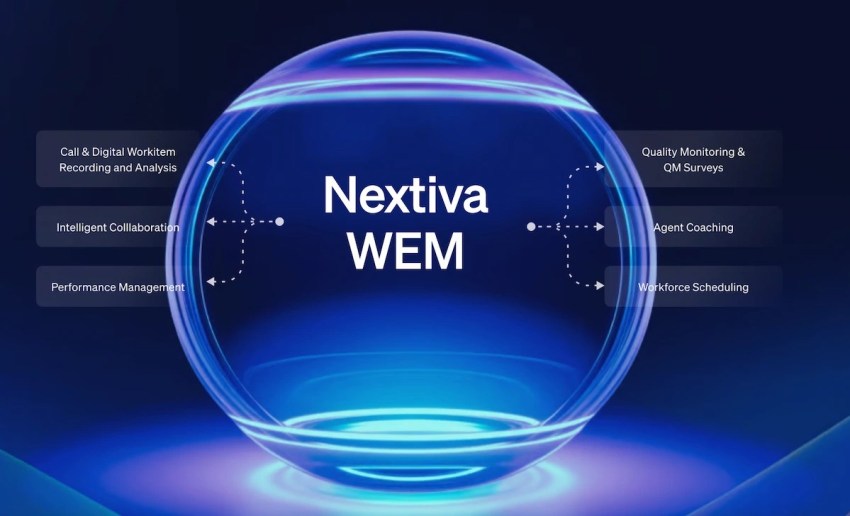
WEM addresses these challenges through coordinated workforce planning and employee experience practices. It connects staffing, performance management, quality monitoring, coaching, communication, and recognition so contact center leaders can support agents while meeting customer demand.
What Is Workforce Engagement Management?
Workforce engagement management is a strategic approach to supervising and supporting the people who serve customers. It combines workforce planning, performance improvement, employee feedback, coaching, recognition, and engagement initiatives.
A WEM program typically helps a contact center:
- Match staffing levels and agent skills to expected customer demand.
- Give agents schedules that account for business needs and employee availability.
- Identify performance trends through interaction data and KPIs.
- Provide targeted coaching and professional development.
- Recognize contributions and give agents more control over their work.
- Improve communication between agents, supervisors, and managers.
The objective is to create conditions in which agents can perform well and remain engaged in their work. Supported agents are better positioned to deliver consistent service, which can contribute to customer satisfaction and loyalty.

WEM vs WFO vs WFM
There are three terms associated with workforce management that we want to clearly define.
WEM, workforce optimization (WFO), and workforce management (WFM) overlap, but each term describes a different operational focus.
| Approach | Primary focus | Typical activities |
|---|---|---|
| Workforce engagement management (WEM) | Agent experience, engagement, and performance | Coaching, recognition, feedback, quality management, employee surveys, gamification, and career development |
| Workforce optimization (WFO) | Improving employee and operational performance | Training, performance management, quality monitoring, incentives, and workflow improvements |
| Workforce management (WFM) | Staffing, scheduling, attendance, and capacity planning | Demand forecasting, schedule creation, shift management, adherence monitoring, and time-off administration |
WEM is the broadest approach because it connects day-to-day staffing operations directly to agent well-being, motivation, and long-term career growth—areas that traditional WFM and WFO don’t fully address.
These functions work together. WFM can create a schedule that meets forecasted demand. WFO can use interaction data to identify training needs. WEM can connect those operational practices with coaching, recognition, feedback, and agent well-being.

Benefits of WEM for Businesses
WEM benefits come from improving the daily experience of agents and giving managers better information for workforce decisions. The results depend on how well the program fits the contact center’s goals, processes, and workforce.
1. Valuable employee insights
A WEM program collects information about the employee experience from several sources, including:
- Anonymous employee surveys.
- Agent feedback and suggestions.
- Manager observations.
- Schedule and adherence data.
- Customer interaction data.
- Quality evaluations.
- Performance KPIs.
This information can reveal that agents feel overworked, lack training, struggle with a particular workflow, or need better support from managers. Leaders can use those findings to address specific obstacles rather than relying on assumptions.
Managers should connect feedback to action. If agents report that a process creates unnecessary after-call work, leaders can review the workflow, measure the effect, and communicate the change to the team.
2. Reduced agent turnover
A positive agent experience supports retention. Agents are more likely to stay when they receive useful coaching, fair schedules, recognition, career development, and the resources required to do their jobs.

The cost of replacing one employee can reach 200% of the employee’s annual salary. Lower voluntary attrition can help contact centers:
- Reduce recruiting, hiring, and onboarding costs.
- Spend less on training replacement employees.
- Preserve institutional knowledge.
- Retain experienced agents who can handle complex interactions.
- Maintain more consistent productivity during periods of high demand.
WEM cannot eliminate every cause of turnover. It gives managers a way to identify recurring problems and address the parts of the agent experience they can control.
3. Improved efficiency
WEM tools can simplify scheduling, automate repetitive administrative tasks, and give managers clearer performance information. Automation lets agents spend more time on customer issues that require judgment.
Forecasting and schedule automation can also help distribute work across available agents. When staffing reflects expected demand and agent skills, contact centers can reduce periods of understaffing and avoid unnecessary overstaffing.
Useful measures include:
- Service level.
- Average speed of answer.
- Average handle time.
- Schedule adherence.
- Occupancy.
- First-contact resolution.
- After-call work.
- Customer satisfaction.
The call center metrics and KPIs guide provides more detail on measuring contact center performance.
4. Increased customer satisfaction
Engaged agents are more likely to stay focused on customer needs and use the tools available to them. A well-supported agent can access information, follow the right process, and ask for help when an interaction becomes complex.
A unified customer experience can also reduce the need for customers to repeat information across channels. WEM supports that experience by helping contact centers staff each channel, train agents on the required workflows, and review interactions for quality.
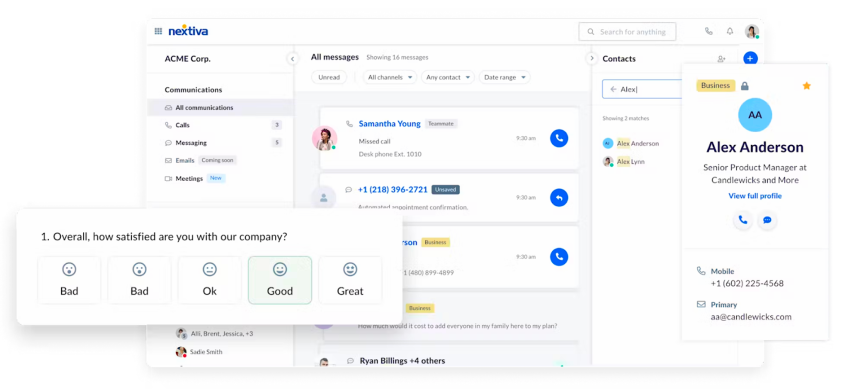
Customer satisfaction can improve when a contact center combines:
- Accurate staffing plans.
- Skills-based assignment.
- Clear agent guidance.
- Consistent quality standards.
- Fast access to customer and knowledge-base information.
- Coaching based on real interactions.
5. Enhanced brand reputation
Customer interactions shape how people view a business. Consistent service, clear communication, and competent support can strengthen customer trust and loyalty.
WEM contributes to that consistency by helping leaders identify service gaps, coach agents on specific behaviors, and recognize employees who deliver strong work. It also helps managers spot operational problems before they affect a larger share of customers.

Best Practices for Implementing WEM
A WEM program needs clear goals, reliable data, manager involvement, and regular communication with agents. The following practices help contact centers build a program that supports both employee experience and customer service.
Focus on employee experience
Start by identifying the conditions agents need to perform well. Practical steps include:
- Offer remote work or flexible scheduling when the role allows it.
- Give direct instructions and clear performance expectations.
- Provide the training, systems, and resources agents need.
- Address employee conflicts promptly.
- Enforce policies that protect employees from abusive or toxic behavior.
- Give public praise and private corrective feedback.
- Ask agents which processes create avoidable work.
- Review workload and schedule patterns for signs of burnout.
Employee experience includes the daily details of a role. A difficult schedule, confusing workflow, or unreliable system can affect engagement even when a company has a formal recognition program.
Invest in the right tools
WEM software should match the contact center’s size, channels, staffing model, compliance needs, and management processes. Buyers should look for capabilities that connect planning with employee development.

A practical evaluation framework includes:
- Omnichannel coverage: Does it forecast and score interactions across voice, chat, email, and SMS in one place?
- AI & automation depth: Does it automate post-call summaries, quality scoring, and intraday schedule adjustments?
- Integration & data flow: Can it sync with your existing CRM, ACD, and HRIS platforms without manual exports?
- Remote & mobile readiness: Do agents and supervisors have role-based mobile access for shift swaps, alerts, and coaching?
- Implementation & scalability: How quickly can teams configure workflows, permissions, and custom KPI dashboards?
Nextiva offers WEM software with empowerment tools, a centralized dashboard, AI-driven productivity tools, virtual agents, automation, and integrations. Its WEM solution also combines AI-powered forecasting, automated scheduling, and real-time staffing management. Review Nextiva workforce engagement software.
The best fit depends on the contact center’s requirements. A buyer should confirm channel support, integrations, reporting, implementation needs, user permissions, mobile access, and the level of automation available before selecting a platform.
Where does your CX strategy stand with AI?
Take the AI Maturity assessment to get personalized recommendations on how to enhance your CX.
Set clear goals & KPIs
Leaders need to define what they want WEM to improve before selecting metrics. A contact center might focus on retention, schedule adherence, quality, customer satisfaction, or productivity.
For each goal:
- Define the business outcome.
- Select a metric that measures progress.
- Set a target and review period.
- Assign responsibility for monitoring the metric.
- Record the actions taken when performance changes.
- Review whether the metric creates unintended pressure on agents.
A dashboard can bring these measurements together, but managers still need context. For example, a lower average handle time may result from faster resolution, rushed interactions, or more transfers. Metrics should support coaching and investigation rather than replace manager judgment.

Provide ongoing feedback & coaching
Coaching works best when it connects to a specific interaction, behavior, or performance trend. Managers can use call recordings, transcripts, quality evaluations, customer feedback, and KPI changes to create focused coaching sessions.
Effective coaching should:
- Identify the behavior or skill to improve.
- Use a real example.
- Explain the customer and business impact.
- Let the agent share context.
- Agree on a practical action.
- Set a follow-up date.
- Recognize progress.
Professional development opportunities are linked to long-term employee retention, according to Harvard Business Review.
AI-powered quality management can support managers by reviewing interactions at scale and identifying coaching opportunities. Automated analysis helps managers focus their time on agent-specific development rather than selecting interactions manually.
Agent assist tools support coaching during and after interactions. Real-time guidance can surface knowledge-base content and recommended next actions. Post-call automation can generate transcripts, summaries, and action items, which reduces after-call work and gives managers more material for review.

“As we look ahead into the next century, leaders will be those who empower others.”
Bill Gates
Recognize & reward achievements
Recognition should be specific, timely, and connected to the behavior or result being recognized. Examples include:
- Public recognition in team meetings, newsletters, or company communication platforms.
- Private acknowledgment from a manager.
- Employee recognition programs.
- Bonuses, gift cards, or other incentives.
- Celebrations of birthdays, work anniversaries, and professional accomplishments.
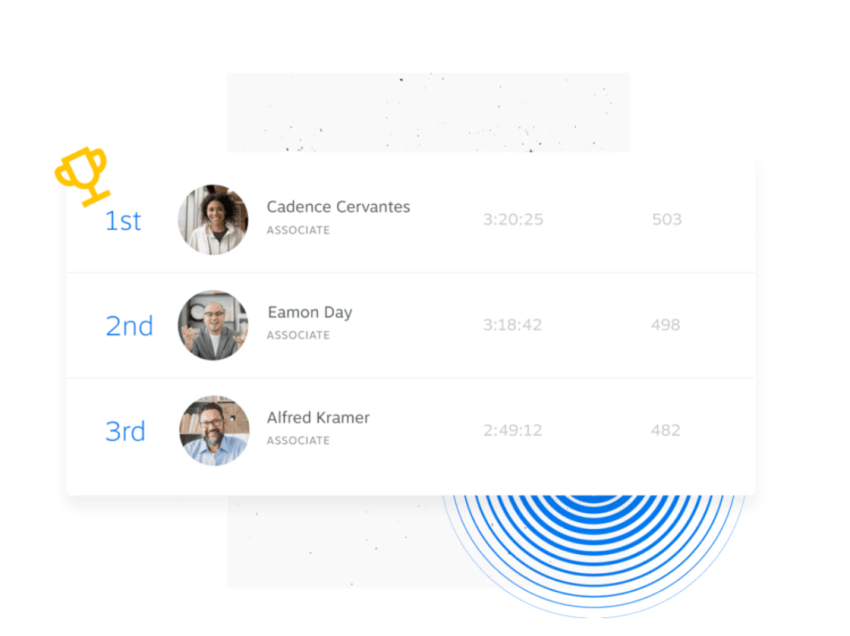
- Gamification tied to meaningful performance or service goals.
Recognition should not encourage agents to sacrifice quality for speed. Contact centers should use balanced measures that account for customer outcomes, quality, compliance, and employee behavior.
Facilitate open communication
Agents often see workflow problems before managers do. Create regular channels for agents to share concerns, ideas, and feedback.
Useful practices include:
- Ask for suggestions during team meetings.
- Invite agents to report system or process problems.
- Provide anonymous feedback options.
- Share what the organization changed in response to feedback.
- Explain why a requested change cannot happen when leaders decline it.
- Give supervisors time to discuss workload and development.
Open communication becomes credible when employees can see how their input affects decisions.
How Contact Center Tools Help With WEM
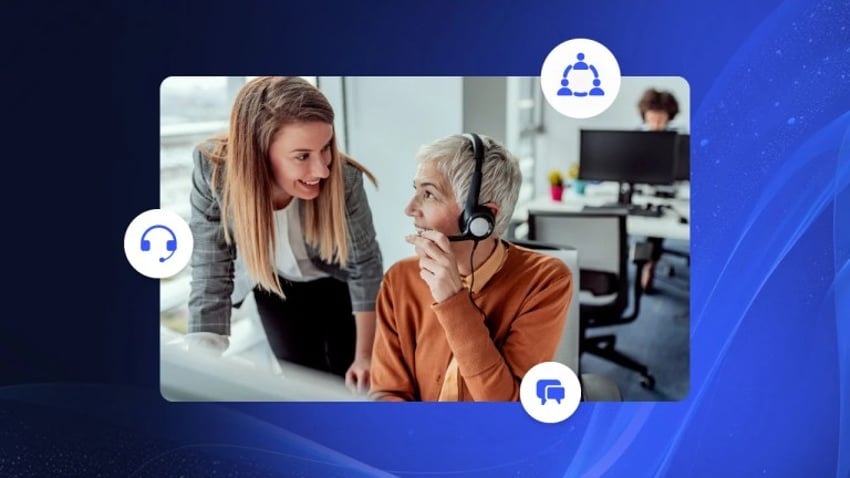
Contact center tools can connect workforce planning, interaction management, quality assurance, coaching, and performance reporting. They can also support remote teams when agents and supervisors need secure access from different locations.
WFM modules
WFM modules help managers forecast demand, create schedules, monitor adherence, and plan staffing. Workforce scheduling solutions can help contact centers account for seasonal fluctuations, peak call times, agent skills, and channel requirements.
Effective WFM can support wait-time management in several ways:
- Forecast expected volume before a busy period.
- Schedule enough agents for the expected demand.
- Match customer needs with agents who have the required skills.
- Monitor adherence during the day.
- Reallocate staffing when demand changes.
- Track the effect of breaks, meetings, absence, and training.
- Use self-service and automation for routine requests where appropriate.
Nextiva states that its WEM tools include real-time adherence and intraday management. These capabilities monitor whether agents follow their schedules, alert managers when agents are off schedule, and adjust staffing in real-time to help protect service levels. Explore Nextiva’s WEM capabilities.
They can also support distributed teams. Nextiva’s workforce scheduling capabilities include multi-site and rotating-shift scheduling, mobile access, agent and supervisor portals, shift bidding, time-off management, and reporting dashboards. Read about Nextiva Workforce Scheduling.
Better staffing does not guarantee shorter wait times. Wait times also depend on contact volume, routing rules, self-service, agent availability, interaction complexity, and the quality of the underlying forecast.

Quality management tools
Quality management tools help managers review interactions and evaluate agent performance against defined standards. Call recordings can support quality assurance by providing material for:
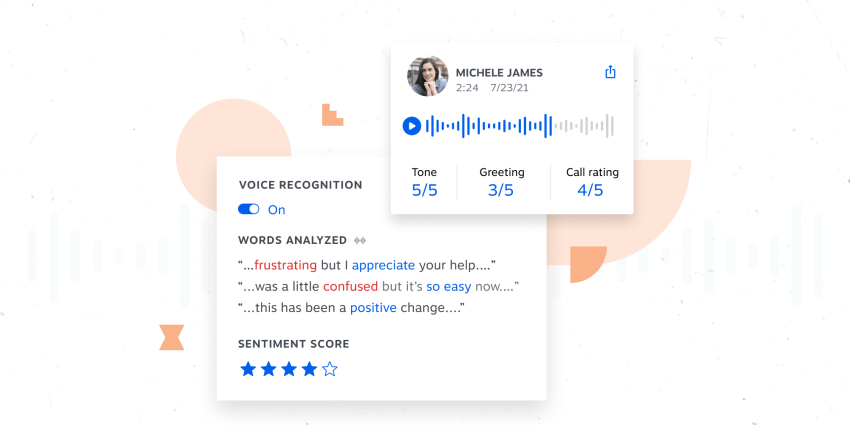
- Call and interaction evaluations.
- Transcripts and summaries.
- Sentiment trend analysis.
- Keyword and phrase detection.
- Compliance reviews.
- Calibration sessions.
- Coaching plans.
Managers can use real interactions to explain what an agent did well and where the agent can improve. The same data can reveal broader training needs across a team.
AI-powered quality management can make this review process more scalable. Nextiva states that its quality management tools score 100% of interactions across calls, chats, and emails and identify targeted coaching opportunities. Managers should still validate automated findings and discuss the context with agents.
Performance management features
Performance management features connect goals, KPIs, coaching, and training. A dashboard can help managers compare individual and team performance across metrics such as:
- Customer satisfaction.
- First-contact resolution.
- Average handle time.
- Quality scores.
- Schedule adherence.
- Service level.
- After-call work.
- Customer engagement metrics.
The customer engagement metrics guide provides additional examples of metrics that businesses can track.
AI-powered agent assist can help agents during interactions. Nextiva’s AI-driven agent assist and AI copilot provide real-time guidance, surface knowledge-base content, and recommend next actions. These tools can support more consistent handling and improve access to information, but managers should evaluate their effect through quality, accuracy, customer, and employee measures.
Employee engagement features
Engagement features give agents more ways to participate in their work and receive recognition. Examples include:
- Gamification.
- Recognition programs.
- Employee surveys.
- Self-service scheduling.
- Shift bidding and shift swaps.
- Mobile access.
- Team communication tools.
- Career development plans.
Nextiva states that its workforce engagement tools include empowerment solutions and gamification designed to support agent morale. Recognition should complement fair schedules, useful coaching, and manageable workloads. It cannot compensate for persistent staffing or process problems.
Real-time data & analytics
Real-time data helps managers respond to current conditions instead of waiting for a later report. A contact center can use live information to review:
- Queue volume.
- Agent availability.
- Schedule adherence.
- Service level.
- Interaction type.
- Channel demand.
- Quality alerts.
- Performance changes.
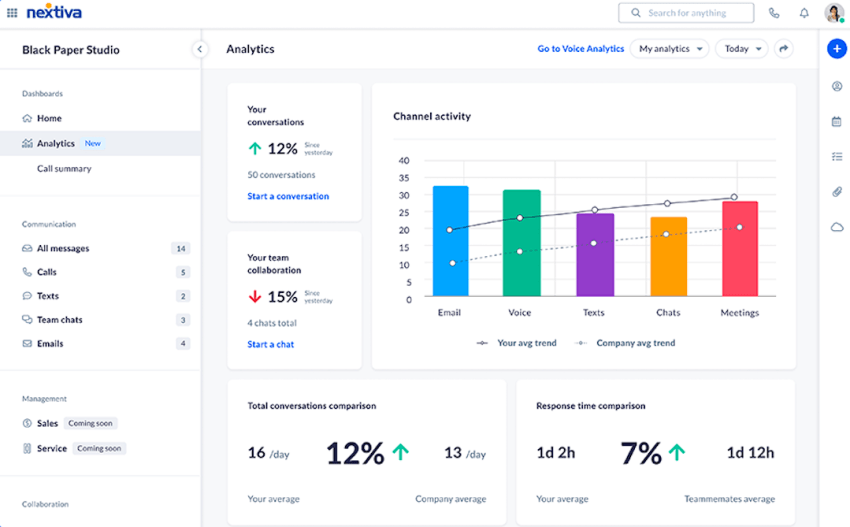
These insights can support intraday staffing decisions, coaching priorities, and escalation management. Historical reports help leaders identify longer-term trends and assess whether a WEM initiative produced the intended result.
A contact center platform can also bring customer interactions, agent performance, and workforce information into a more connected operating view.
Evaluating contact centers? Get the buyer’s guide.
This guide reveals the five pillars of a modern platform, key questions to ask, and red flags to avoid.
Scaling a Workforce With Nextiva
As contact centers grow across channels and locations, manual spreadsheets and disconnected tools break down. A unified WEM platform lets leaders standardize workflows, automate routine staffing decisions, and maintain consistent service quality at scale.
Nextiva provides workforce engagement capabilities for contact centers. Its tools include customizable dashboards, AI-powered productivity features, forecasting, automated scheduling, real-time staffing information, and reporting for team and agent performance. Nextiva states that its WEM solution can forecast demand by channel, account for AI-handled volume, generate schedules, and support real-time adherence management.
The platform also includes contact center tools that support agent assist, quality management, interaction analysis, and post-call automation. These features can help managers connect operational data with targeted coaching and development.
“We really needed a business phone system that could grow rapidly with us and provide the data that we needed to make sure phone calls were going out and being received well. Nextiva really handled all the analytics we needed.”
Lee Baker
Lift Contact Center Performance with the Right Platform
Achieve what’s possible with Nextiva Contact Center. Sales, service, support — covered.
FAQs
The best workforce engagement management (WEM) software aligns with your contact center’s size, channels, compliance requirements, and workflows. Look for a platform that combines channel-aware forecasting, automated scheduling, quality management, real-time agent assist, performance dashboards, and gamification. Solutions like Nextiva bring these capabilities together in a centralized dashboard with AI-driven productivity tools, virtual agents, and real-time staffing management.
Quality management and performance management software help managers coach effectively by turning interaction data, call recordings, transcripts, and KPI trends into targeted development plans. AI-powered tools streamline this by scoring interactions at scale and flagging specific skill gaps, while real-time agent assist surfaces next-action guidance during live conversations. For instance, Nextiva uses AI-powered quality management to score 100% of calls, chats, and emails and offers an AI copilot to support agents during and after interactions.
Workforce management (WFM) software helps manage wait times by forecasting expected contact volume, matching staffing levels to agent skills, and enabling automation or self-service for routine inquiries. Real-time adherence and intraday management tools also alert supervisors to schedule deviations so they can adjust staffing dynamically during demand spikes. Platforms such as Nextiva include real-time adherence, intraday staffing adjustments, and channel-aware forecasting to help protect service levels—though overall wait times still depend on call complexity, routing rules, and forecast accuracy.
Distributed teams need cloud-based contact center and WEM tools equipped with mobile access, role-based permissions, multi-site scheduling, and self-service portals for shift bidding and time-off requests. Nextiva supports remote and multi-site teams with rotating-shift scheduling, mobile apps, dedicated agent and supervisor portals, and real-time reporting dashboards that keep managers and distributed agents connected from any location.