

 Customer Experience
  Blog
Blog  Business Communication
  Leadership
  Marketing & Sales
  Nextiva News
  Productivity
  VoIP
VoIP 

Mastering contact center agent onboarding for long-term success is a challenge. Very few businesses can say their program is a total success. Is that unfair? We don’t think so.
Just look at the average agent churn statistics across the contact center industry. The average annual agent turnover rate is a whopping 30.2%. That’s one in three people in your team leaving each year. While there may be good reasons for this in some cases (outgrowing a role, being headhunted, etc.), this high attrition rate is often caused by poor call center onboarding that sets new staff off on the wrong foot.
You must address both human and technical issues when building a world-class (or even slightly better than you have now) onboarding program. In this guide, we aim to improve your time to efficiency when hiring new call center agents.
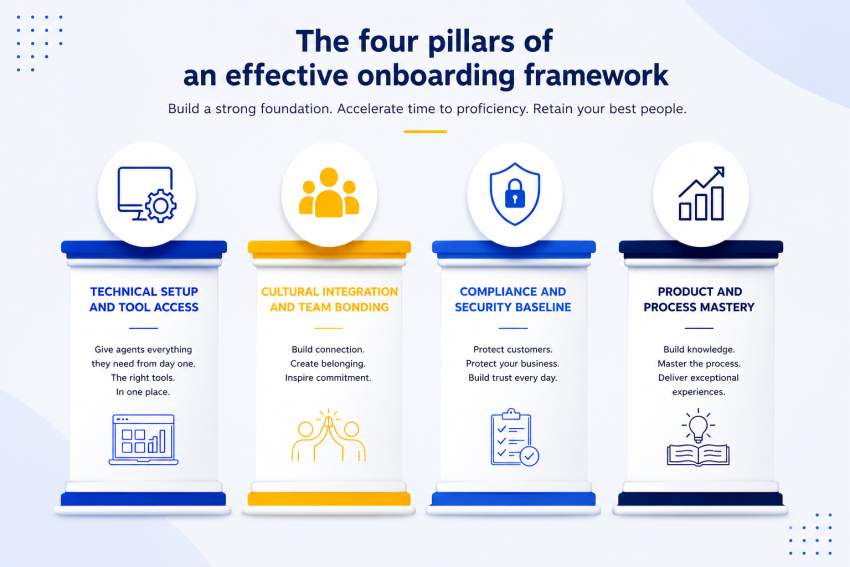
The first 90 days are critical. They must abide by the four pillars of an effective onboarding framework.
The Four Pillars of an Effective Onboarding Framework
1. Technical setup and tool access
Nothing kills momentum faster than a new agent spending their first week waiting for logins. I’ve been there at several jobs, and it’s the worst. You sit around twiddling your thumbs, looking for things to do, and feeling useless. It’s a bad start.
Before agents engage in a single customer interaction, they need access to every tool they require to do their job:
- CRM systems
- Contact center software
- Internal knowledge bases
- Messaging apps
- Ticketing platforms
- Reporting dashboards
The challenge is that many contact centers operate with a patchwork of disconnected applications. New hires spend valuable time learning where to find information instead of serving customers.
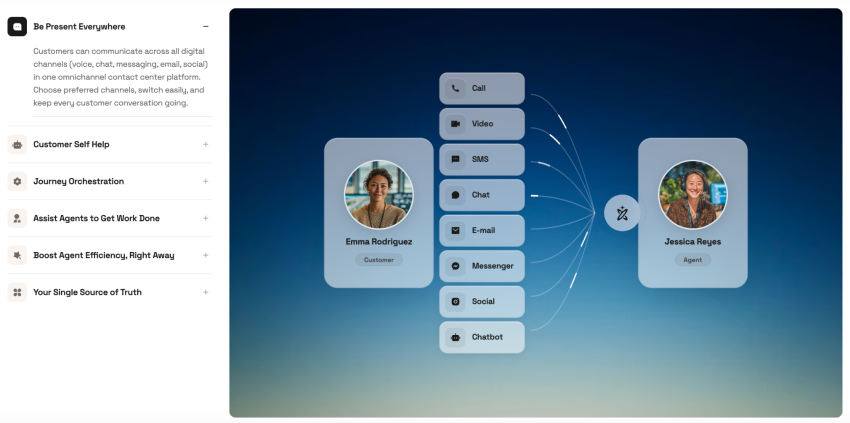
This is one reason companies are consolidating their technology stacks. Nextiva finds that with day-to-day customers, you can reduce as many as seven separate applications to a single communication platform, eliminating unnecessary complexity and reducing context switching for agents.
With Nextiva Contact Center, voice, digital channels, customer data, reporting, workflow automation, and collaboration tools exist in one place. New agents spend less time navigating software and more time building confidence.
2. Cultural integration and team bonding
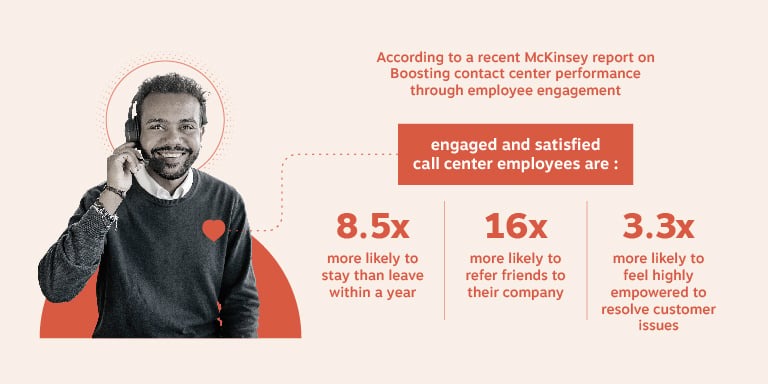
Many onboarding programs focus heavily on systems and processes while overlooking the human side of the job. Yet culture fit is often what determines whether an employee stays beyond those critical first few months.
New agents should understand how your company communicates, collaborates, and supports customers. They should meet key stakeholders, shadow experienced colleagues, and build relationships with managers early. Build these meetings into the first few days of your onboarding program to create a sense of belonging.
When employees feel connected to their team, they’re more likely to ask questions, seek support, and contribute ideas. They also become invested in the success of the organization.
Remember, people rarely leave software. They leave environments where they don’t feel supported.
3. Compliance and security baseline
Compliance training protects customers and your business. Every agent must understand their responsibilities from day one (and why these practices aren’t optional).
Customer data must remain secure. Passwords should follow company policies.
Regulated industries have additional requirements that you must flag from day one. Failure to adhere here could lead to shortcuts, financial penalties, and damaged customer trust.
Keep compliance training simple and practical. Focus on real-world examples rather than legal jargon. New hires don’t need to become compliance experts. They need to understand what good decision-making looks like during everyday customer interactions.

4. Product and process mastery
Product knowledge creates confident agents. Confident agents create better customer experiences.
Agents need a clear understanding of what your products do, who they help, and how customers use them. They also need to understand the processes that support customer journeys. This includes escalation paths, troubleshooting procedures, documentation standards, and quality expectations.
Instead of overloading new agents with everything about your company, give them what they need to become proficient in their skillset quickly.
Step-By-Step Checklist for the First Week of Training
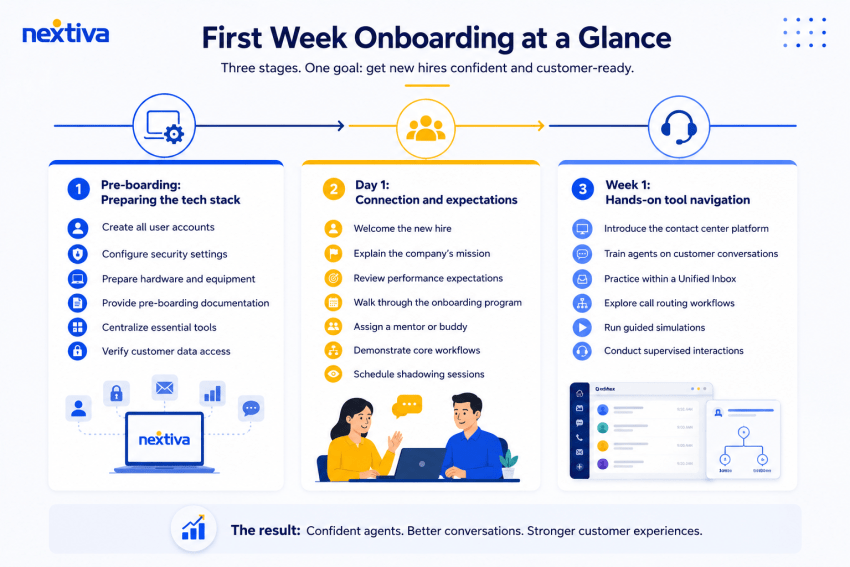
Pre-onboarding: Preparing the tech stack
- Create all user accounts: Set up access to your contact center platform, CRM, internal knowledge base, communication tools, and reporting dashboards. Having a templated list of apps is crucial to ensuring everything gets added, ready for day one.
- Configure security settings: Apply password policies, multi-factor authentication, and role-based permissions before the first login.
- Prepare hardware and equipment: Test headsets, webcams, laptops, monitors, and internet connectivity ahead of time. A templated hardware list is advisable here.
- Provide pre-onboarding documentation: Share company information, onboarding schedules, organizational charts, and key contacts.
- Centralize daily tools: Reduce the number of apps agents need to learn, where possible. A single workspace reduces confusion and shortens ramp-up time.
- Verify customer data access: Ensure agents can access the information they require to perform their role without creating unnecessary security risks.
Day 1: Connection and expectations
- Explain the company’s mission: A key member of staff should present how the new hire contributes to customer success.
- Review agent performance expectations: Clarify goals, quality standards, and key performance metrics (KPIs).
- Walk through the onboarding experience: Show agents exactly what the next week, month, and quarter will look like.
- Assign a mentor or buddy: Give new hires a trusted person to ask questions without hesitation. This removes the alienation of feeling new.
- Demonstrate core workflows: Show how customer interactions move through your contact center from start to finish.
- Schedule shadowing sessions: Allow agents to observe experienced team members handling real customer conversations.
Week 1: Hands-on tool navigation
- Introduce the contact center platform: Focus on the screens and workflows agents will use most.
- Train agents on customer conversations: Demonstrate voice, chat, email, SMS, and video call interactions.
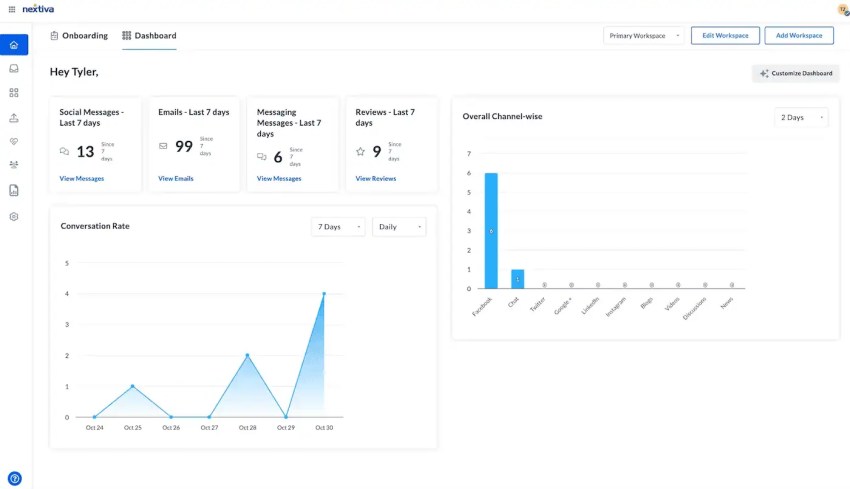
- Practice within a unified inbox: Rather than switching between multiple apps, agents can learn how conversations are managed from a single interface, simplifying the learning curve.
- Show telephone call routing workflows: Use visual examples to explain how customer interactions move between teams and departments so agents understand how customers reach them.
- Begin roleplay: Practice common customer scenarios before agents interact with live customers while reinforcing knowledge base usage and troubleshooting workflows.
- Conduct supervised interactions: Allow agents to handle simple customer requests with support available when needed, building confidence before progressing to more complex conversations.
The Transition From Shadowing to Handling Incoming Calls (The Nesting Phase)
Effective shadowing techniques
Call shadowing should be active, not passive.
Too many contact centers ask new agents to listen to a handful of phone calls and hope knowledge transfers naturally. It rarely works.
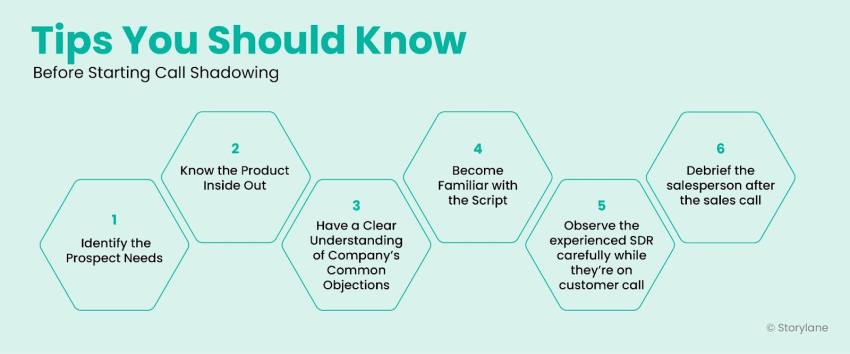
Instead, give agents a structured framework while they observe experienced team members. Ask them to identify how agents greet customers, verify information, handle objections, navigate systems, and close conversations.
- Encourage note-taking.
- Discuss each interaction afterward.
- Ask what they would have done differently.
The goal isn’t simply having agents listen to customer conversations. It’s ensuring they understand the decision-making processes behind them.
Roleplaying common customer scenarios
Before agents speak to live customers, they need practice.
Roleplaying remains one of the most effective onboarding and coaching techniques because it creates pressure without consequences. When I started my first call center job, I wouldn’t have lasted three calls without roleplay. I’d have crumbled under the pressure and run for the hills.
- Start with straightforward customer requests.
- Move gradually into more complex situations.
- Include billing questions, product troubleshooting, account changes, escalations, and difficult customer interactions.
The objective isn’t perfection; it’s repetition. When agents encounter similar situations on live calls, they can rely on practiced responses rather than improvising under pressure.

Moving to live calls with a safety net
At some point, every new hire needs to leave the training sessions and start helping customers. Don’t throw them in at the deep end. That’s only going to end one way.
Start with low-complexity interactions and provide immediate access to support when needed. Supervisors, mentors, and experienced agents should remain available throughout the nesting period.
Think of nesting as assisted independence. Agents are responsible for the conversation, but help is never far away.

Measuring Success: KPIs for the Onboarding Period
Call center onboarding is not the time to double down on business metrics and revenue focus. It’s far more important to measure how effective your training has been and how well your new hire is doing. These predict long-term success and improve future onboarding initiatives.
Time to proficiency as a primary metric
Time to proficiency is arguably the most important onboarding metric. It measures how long it takes a new hire to perform at the level expected of a fully productive agent. The shorter this period, the faster your organization sees value from its hiring investment.
Rather than measuring pure time, define what proficiency actually means in your environment. This could include achieving target quality scores, maintaining acceptable handle times, or consistently resolving customer issues without supervisor intervention.
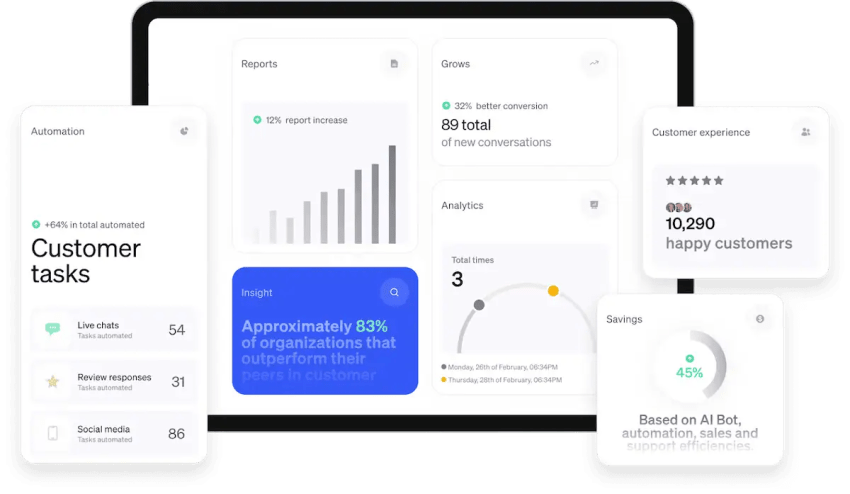
Modern contact center platforms make this easy to measure. With AI-generated call summaries and conversation analytics, supervisors can quickly identify recurring coaching opportunities and monitor progress without manually reviewing every interaction. If your average ramp-up time is decreasing while quality remains high, your onboarding program is moving in the right direction.
Internal quality scorecards
Productivity means very little if customer experiences suffer. This is where internal quality scorecards become essential.
Quality scorecards provide a consistent framework for evaluating customer interactions and identifying coaching opportunities. They allow managers to assess communication skills, compliance adherence, product knowledge, issue resolution, and customer satisfaction indicators.
| KPI | What It Measures | Why It Matters |
|---|---|---|
| Time to proficiency | Speed of agent ramp-up | Measures onboarding effectiveness |
| Quality assurance score | Interaction quality | Identifies coaching needs |
| First call resolution | Issues resolved without follow-up | Indicates agent competency |
| Average handle time | Efficiency of customer interactions | Tracks operational readiness |
| Customer satisfaction | Customer perception of service | Connects onboarding to customer experience outcomes |
| Training completion rate | Progress through an onboarding program | Ensures training consistency |
| Escalation rate | Frequency of supervisor intervention | Measures agent independence |
| 90-day retention rate | Early employee retention | Indicates onboarding success |
90-day retention rate and its significance
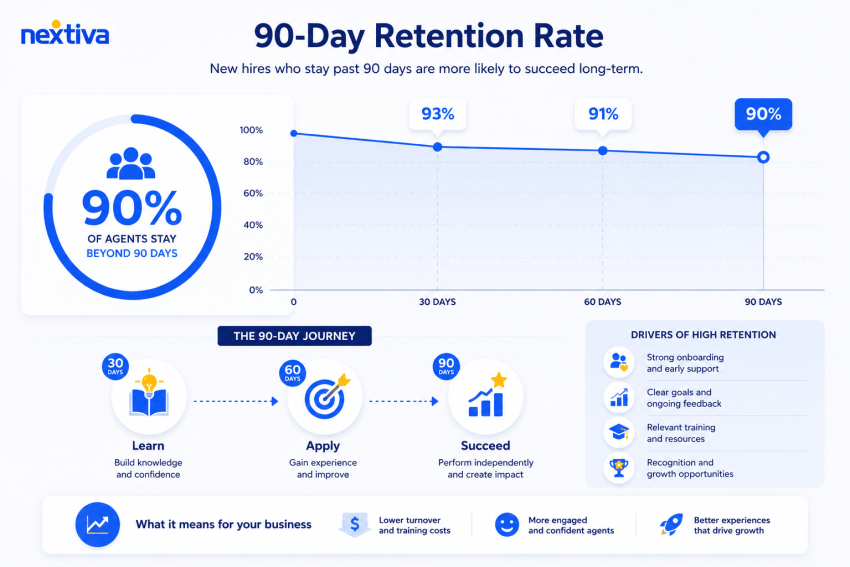
Most onboarding failures don’t appear immediately. They show up several weeks later when new hires become disengaged and overwhelmed or decide the new role isn’t right for them. That’s why the 90-day retention rate is one of the most valuable onboarding metrics available.
A strong retention rate usually indicates that agents understand their role, feel supported by their team, and have received sufficient training to succeed. A weak retention rate often highlights gaps in onboarding, coaching, expectations, or culture fit.
Track retention alongside performance metrics rather than in isolation. An agent who stays but struggles to perform still represents an onboarding challenge.
Common Onboarding Mistakes and How to Avoid Them
Most onboarding mistakes are surprisingly predictable:
- New hires receive too much information too quickly.
- Soft skills training takes a back seat to product knowledge.
- Feedback becomes reactive instead of proactive.
Over time, these onboarding errors create knowledge gaps, lower confidence, and increase the risk of agent burnout. The fix isn’t adding more training; it’s creating a better learning environment.
Successful contact centers introduce knowledge gradually, provide regular coaching, and give agents opportunities to practice before they’re expected to perform independently. During busy periods, AI receptionists can also help reduce pressure on new hires by handling routine FAQs and repetitive customer requests while agents continue building confidence.

Most importantly, managers need visibility into what’s working and what isn’t. Without clear insights into performance, coaching becomes guesswork.
That’s why the technology behind your onboarding program matters. Nextiva Contact Center combines communications, analytics, AI-powered assistance, and coaching tools in one platform, making it easier to support new agents throughout their journey from onboarding to proficiency.
Ready to turn new hires into confident, customer-ready agents faster?
Explore Nextiva Contact Center today.
Your AI-Powered Contact Center
Create amazing customer experiences with AI-powered contact center software. Scalable contact center platform built for omnichannel customer conversations.
Frequently Asked Questions About Call Center Onboarding
Call center agent onboarding typically takes between three and six weeks, depending on product complexity, customer interaction types, and compliance requirements. The most effective onboarding programs focus on building confidence and competency gradually rather than rushing agents onto live calls before they’re ready.
New agent onboarding typically requires an offer letter, employee handbook, tax forms, confidentiality or nondisclosure agreements, company policies, compliance documentation, and training materials covering the CRM, contact center platform, and customer service processes.
The most effective call center training programs combine gamification, roleplaying, call shadowing, and real-world simulations to keep agents engaged. Tools like real-time supervisor dashboards and AI-powered sentiment analysis can further improve engagement by helping managers provide immediate coaching, recognition, and support during the nesting period.
A nesting period is the transitional phase between training and full independence, where new agents handle live customer interactions while receiving close support from supervisors and mentors. Features like call whisper, call monitoring, and barge-in capabilities help maintain service quality while giving agents the confidence to develop their skills in a controlled environment.
The most important onboarding KPIs include time to proficiency, first call resolution, average handle time, quality assurance scores, training completion rates, and 90-day employee retention. Together, these metrics provide a clear view of agent readiness and onboarding effectiveness.