

 VoIP
VoIP  Blog
Blog  Business Communication
  Customer Experience
  Leadership
  Marketing & Sales
  Nextiva News
  Productivity

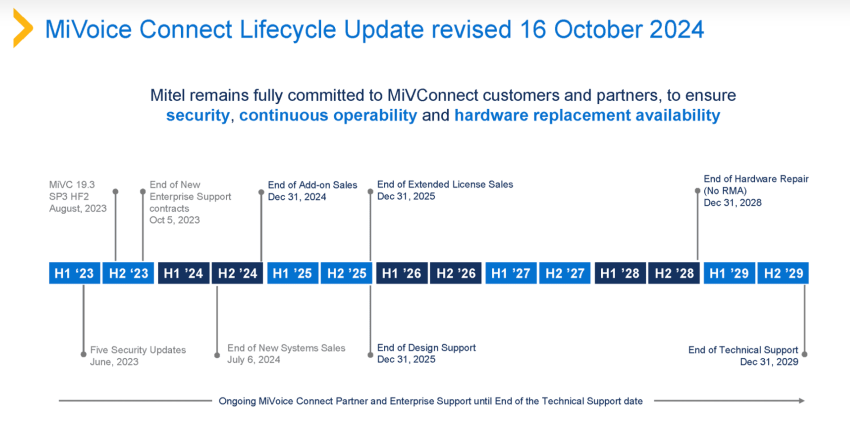
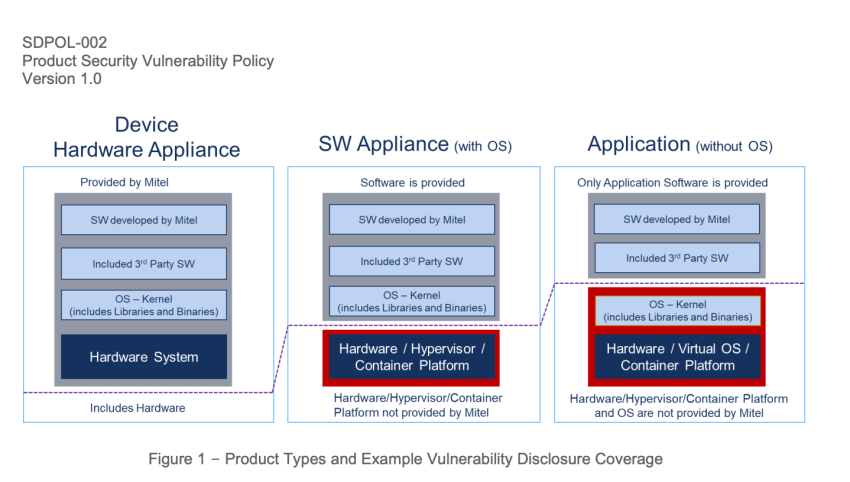
December 31, 2025 was the last day Mitel issued an operating system update or security patch for MiVoice Connect (formerly ShoreTel Connect Onsite). If you’re still running that platform in 2026, that date matters more than any other in the lifecycle chart.
If you’re looking for alternatives to ShoreTel, this is what you’re up against. Mitel acquired ShoreTel in 2017 and rebranded the on-premises phone system as MiVoice Connect. The product kept its ShoreTel architecture, meaning it kept the same voice switches, IP phones, and call routing engine. What changed was the name on the support contract and, eventually, the sunset schedule.
The date most people have in their head is 2029. That’s the end of technical support, which is four years away and feels manageable. But the end of technical support only means nobody picks up the phone when you call. The end of design support, which is the milestone that’s already passed, means a known vulnerability in your call platform never gets fixed. That’s a big liability you don’t want to deal with.
This guide walks through five things:
- What expired and when for ShoreTel/MiVoice Connect
- What’s happening with Mitel
- Which hardware can survive the change
- Top MiVoice Connect/ShoreTel alternatives you may want to consider
- How to migrate to a new platform without a crisis
The MiVoice Connect Sunset Timeline: What’s Expired and When
Mitel runs several voice platforms, and not all of them are sunsetting. This timeline is specifically for ShoreTel and MiVoice Connect customers. MiVoice Business, Mitel’s actively developed platform, is on a separate lifecycle and remains fully supported.
That said, the MiVoice Connect timeline has several milestones, and the most important one has already passed. Here’s a quick overview:
| Milestone | Date | What it means for you |
|---|---|---|
| End of new system sales | July 6, 2024 | No new MiVoice Connect installations |
| End of add-on sales | December 31, 2024 | No hardware or software expansions to what you already run |
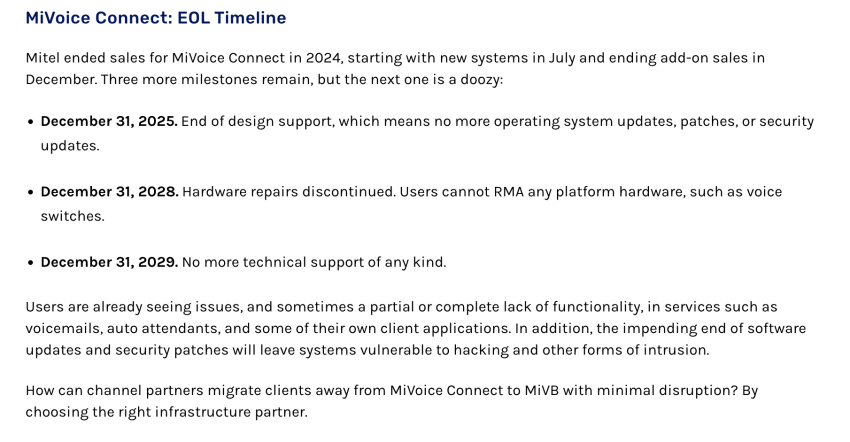
| End of design support | December 31, 2025 | No more OS updates, patches, or security fixes (this has already passed) |
| End of hardware repair | December 31, 2028 | No RMA on platform hardware, including voice switches |
| End of technical support | December 31, 2029 | No official Mitel support of any kind |
Current MiVoice customers may feel comfortable having four years to decide what’s next, but waiting could pose potential risks you don’t want to tackle.
The difference between unsupported and unpatched
Right now, there’s still technical support for MiVoice Connect, but that doesn’t mean it’s getting the same treatment you’ve likely come to expect, because it’s no longer unpatched. Unsupported and unpatched describe different problems on different timelines, and confusing them is how teams end up planning around the wrong date.
Unsupported means Mitel stops answering calls and closing tickets. That’s December 31, 2029, and it’s the date most people are tracking.
Unpatched means that a discovered vulnerability in MiVoice Connect’s operating system, web interfaces, or SIP stack will go unaddressed. That date is December 31, 2025, and it has already passed.
This means your system isn’t broken, but it is frozen, and every month it sits there is another month of exposure that no vendor action will close.
What maintenance-only feels like
The MyVoice Connect and ShoreTel system doesn’t die on a specific date, but it can start to degrade as your options narrow. Cloud9 Infrastructure, a Mitel Platinum Partner, reports that customers are already experiencing intermittent issues with voicemail delivery, auto-attendant behavior, and client application functionality.
Meanwhile, Matrix Networks describes “significant challenges” in supporting these systems. Spare ShoreGear voice switches are getting harder to source, and Global CTI notes that HIPAA compliance for Connect systems ended as early as October 2, 2024. If you work in the healthcare industry, you may already be out of compliance.
Why this matters more if you’re in a regulated industry
For anyone operating under HIPAA or PCI DSS, an unpatched communications platform is not just an operational risk; it’s also a significant concern in an audit finding.
The key question is whether you can show that your communications infrastructure receives security patches. If the answer is no, you don’t need to worry about when the product sunsets or when you need to migrate to protect your business.
Mitel’s Restructuring, the RingCentral Pivot, and What It Means for You
If you’ve searched for information about Mitel recently, you’ve probably seen claims that the company went bankrupt or shut down. Neither is accurate, and making decisions based on either will lead you nowhere helpful. Here’s what happened, sourced from Mitel’s own restructuring page and court filings.
Mitel filed a prepackaged Chapter 11 on March 10, 2025, in the Southern District of Texas. The court confirmed the plan on April 17, and Mitel emerged on June 20, 2025, having eliminated approximately $1.15 billion of its $1.3 billion debt load and cut annual cash interest by roughly $135 million, and raised about $125 million in new funding. Mike Robinson was appointed CEO that September, and the company is still operational.
However, for current MiVoice Connect customers (and previous ShoreTel customers), Mitel’s solvency isn’t your problem. Your problem is that MiVoice Connect is on a published sunset schedule that predates the restructuring and wasn’t changed by it.
The roadmap history is also worth weighing because it’s all public record. In November 2021, Mitel and RingCentral announced an exclusive UCaaS partnership, with RingCentral paying $650 million for a combination of IP exclusivity and CloudLink together.
By mid-2024, the partnership was over, as described in Mitel’s own bankruptcy filings, which noted it had failed to meet market needs. Mitel sold its remaining cloud customer base to RingCentral for approximately $30 million and pivoted to Zoom as its new exclusive UCaaS partner that September. Six months later, it filed for Chapter 11.
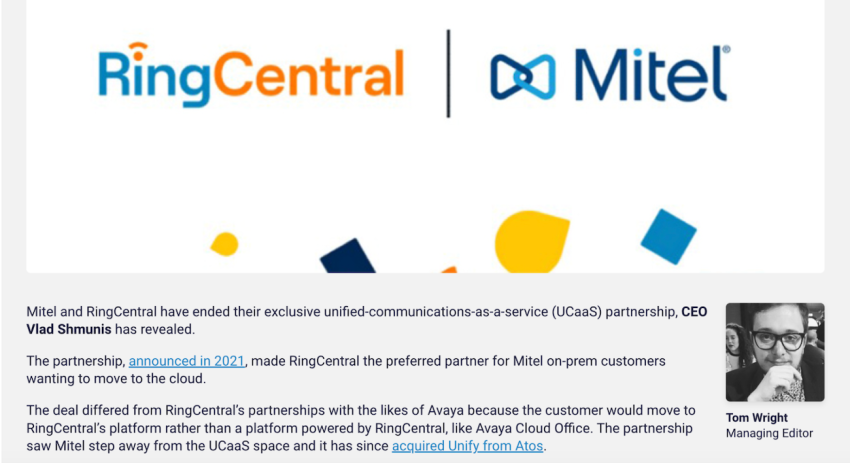
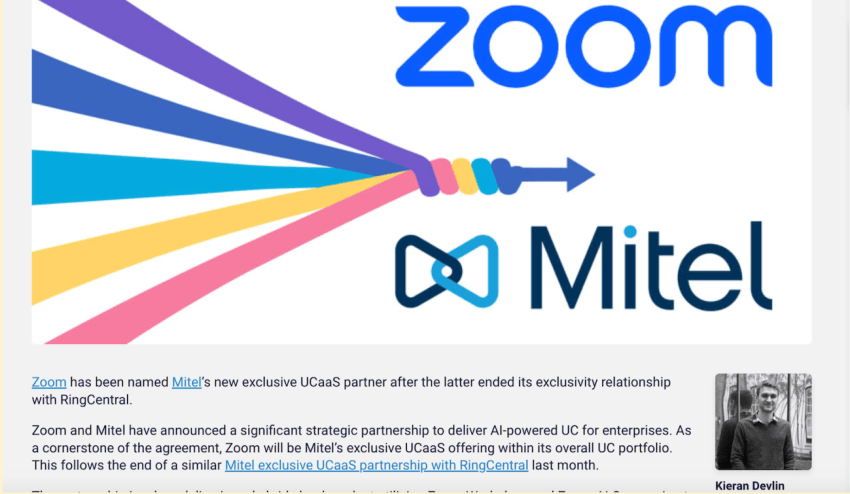
This platform strategy has moved three times since you bought your system, which is worth weighing when picking the next one. This kind of instability can lead to disruptions in your service, including potentially having your product sunset down the road.
You can and should use this as a buying criterion for every vendor. Ask how long the platform you’re being sold has existed under its current name and what happened to the last one this vendor sunset.
Your ShoreTel Hardware: What Moves and What Doesn’t
This is the first real question most teams have, and getting it wrong in either direction is expensive. Assuming everything can be reused wastes weeks on reflashing handsets that end up in a closet, but assuming nothing can be reused leads to an inflated hardware quote that kills the project budget.
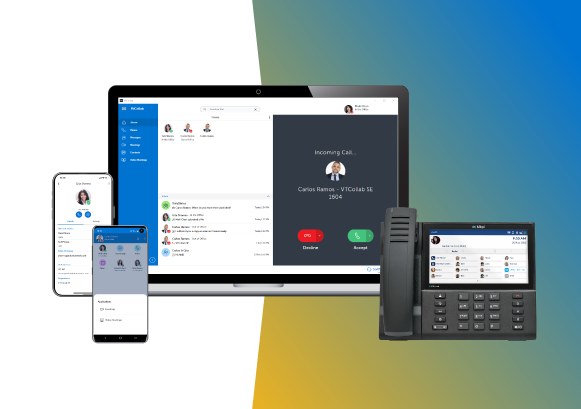
Here’s what you can move from ShoreTel and MiVoice Connect to a new platform and what you can’t move:
| Hardware | Moves to a new VoIP solution? | What to do |
|---|---|---|
| IP 400 series (420, 480, 480g, and 485g) | Often, with work | These speak SIP, and some providers support them after a factory reset and firmware reflash, but certification varies by provider and model. Check your exact model against the provider’s supported device list before counting on reuse. |
| Older ShoreTel IP sets (230, 265, 560, and 565) | No | These older ShoreTel IP sets are proprietary to the ShoreTel platform, so you should budget to replace them. |
| ShoreGear voice switches | No | The cloud platform replaces this function outright, so there’s nothing to migrate. |
| Analog endpoints (fax, elevator, paging, and alarm) | Yes, via ATA | These need an analog telephone adapter, so inventory them first. They’re the most commonly forgotten item in a cutover and the most likely to be required by code. |
Even where a handset can technically move, the labor adds up.
Each phone likely needs a factory reset, firmware reflash, provisioning against the new platform, and testing. For a hundred phones, that’s a meaningful number of hours, and in many cases the total cost of reflashing can exceed the cost of buying new handsets outright. It’s worth running that math before assuming reuse is the cheaper path.
Before you shop, you also want to inventory elevator phones, emergency lines, fax machines, paging systems, and alarm dialers. During a migration, you can easily overlook these analog endpoints, which building codes often mandate. Discovering one on cutover night after your analog lines have already been disconnected is the kind of problem that turns a smooth migration into a scramble.
Top ShoreTel Alternatives Compared
There are several ShoreTel alternatives worth considering, and each one fits a different situation. The table below covers what each platform does best and the specific questions to ask during evaluation.
Here’s a quick overview:
| Platform | Best for | What to check |
|---|---|---|
| Nextiva | Multisite organizations that want guided migration and published pricing alongside a full unified communications platform or contact center solution | Onboarding scope and what professional services it covers |
| RingCentral | Large enterprises needing deep admin controls | Admin complexity and how add-ons stack on the base price |
| 8×8 | International calling and integrated contact center call management | Quote-based pricing; ask for the renewal year number |
| Zoom Phone | Organizations already standardized on Zoom | Feature parity against the PBX behaviors your business relies on |
| Microsoft Teams Phone | Microsoft 365 shops wanting one client | Calling plan or SBC requirements and E911 configuration |
Two names on this list have direct Mitel history. RingCentral acquired Mitel’s cloud customer base when the partnership ended in 2024, so some of your former Mitel peers are already there. Zoom is Mitel’s current exclusive UCaaS partner, which is why you’ll see it recommended on Mitel’s own upgrade pages.
Leaving the Mitel phone system entirely isn’t your only option either. Mitel’s own CLIMB program offers an upgrade path from MiVoice Connect to MiVoice Business, with perpetual or subscription licensing and deployment on-site or in AWS/Azure. Whether that path or a third-party platform makes more sense depends on your situation.
How to Sequence the Migration
The order of your migration matters if you want a smooth, seamless process. Skipping the inventory leads to a porting request that bounces, and skipping the network test leads to call quality problems that get blamed on the new platform.
Here’s the sequence that avoids both.
Inventory before you shop
Every DID, extension, hunt group, auto attendant, and analog line needs to be documented.
Vendors quote off-seat count, but call flows are what take the time during implementation, and an accurate inventory is what keeps a porting request from bouncing back. Miss a number, and you’ll discover it when a customer calls a line that’s gone dead.
Test the network before you sign
Run bandwidth, jitter, and QoS tests at every site, not just headquarters. The site with the worst connection is the one that will get blamed on the new phone system.
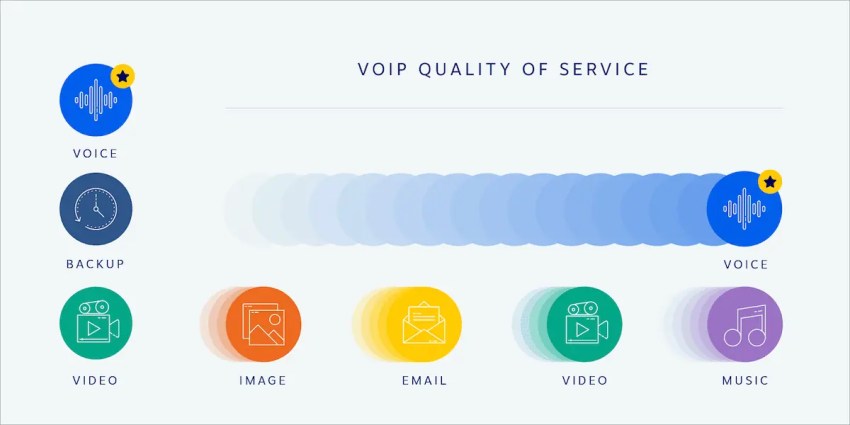
One specific thing to check is whether SIP ALG is enabled on your firewalls and routers. It’s on by default in a lot of gear, and it breaks SIP in ways that look like a carrier problem for a week before anyone thinks to check the router.
Make sure you disable the SIP ALG before the contract, not after. Nextiva offers a free VoIP speed test you can run at each location to establish a baseline for your readiness.
Rebuild call flows; don’t copy them
Most of these systems carry 15 years of routing that nobody has audited, including menu options for departments that no longer exist, ring groups with people who left in 2019, and failover paths that point to disconnected numbers.
This is the one moment where redesigning costs less than replicating, and it won’t come around again for a decade.
Port numbers and cut over
Number porting is paperwork-gated, not technology-gated. The letter of authorization has to match the carrier record exactly: business name, authorized signer, service address, and account number. A typo bounces the request and adds days.
Large number blocks take longer than individual ports. Plan for it, run in parallel rather than cutting cold, and schedule the port for a window the business can absorb. A Friday afternoon port that fails leaves you phoneless over the weekend.
What a ShoreTel to Cloud Migration Costs
You’re likely comparing a maintenance contract you already pay against a per-user subscription. To make that comparison honestly, you need the full cost on both sides.
Your current on-premises costs include more than just the maintenance line item. Add hardware refresh and spare voice switches (which are getting harder to source), SIP trunk or PRI circuits, server power and rack space, and the internal IT hours nobody books against the PBX, but everyone spends. Most teams undercount the on-premises side by 30% or more because they spread those costs across different budgets.
Cloud voice bills aren’t fee-free, and federal fees are real. The FCC’s USF contribution factor for Q3 2026 is 38.8% — a record high. But that percentage applies only to the interstate telecommunications portion of the bill, not the total invoice, and carriers are barred from recovering more than the contribution factor through a USF line item. The factor also changes every single quarter (Q1 2026 was 37.6%, Q2 was 37%), so any specific number will be stale within months.
While fees don’t disappear with cloud-based platforms, they are predictable and published instead of buried in a hardware refresh cycle that hits every five to seven years.

Plan Your ShoreTel Migration With Nextiva
If you’re still running MiVoice Connect in 2026, the patching stopped six months ago, and the hardware repair window closes in two years. Your migration timeline is as comfortable as it’s going to get right now, and it’s downhill from here. If you’re ready to look for a Mitel alternative, now is the time to do so.
Nextiva was built for exactly this kind of migration. We can help even large, multisite organizations move off on-premises hardware and onto a cloud platform without losing numbers, call flows, or uptime in the process. Simmons Bank moved 240 locations and 3,200 employees off on-premises hardware with Nextiva, using concierge onboarding and on-site implementation to minimize disruption across all sites.
Nextiva offers published pricing, guided migration with porting handled rather than left as homework, and a VoIP phone system built for multisite organizations. The right first step is a network readiness test, whether or not you choose us. It’s the one thing that tells you how ready your sites are before you talk to any vendor.
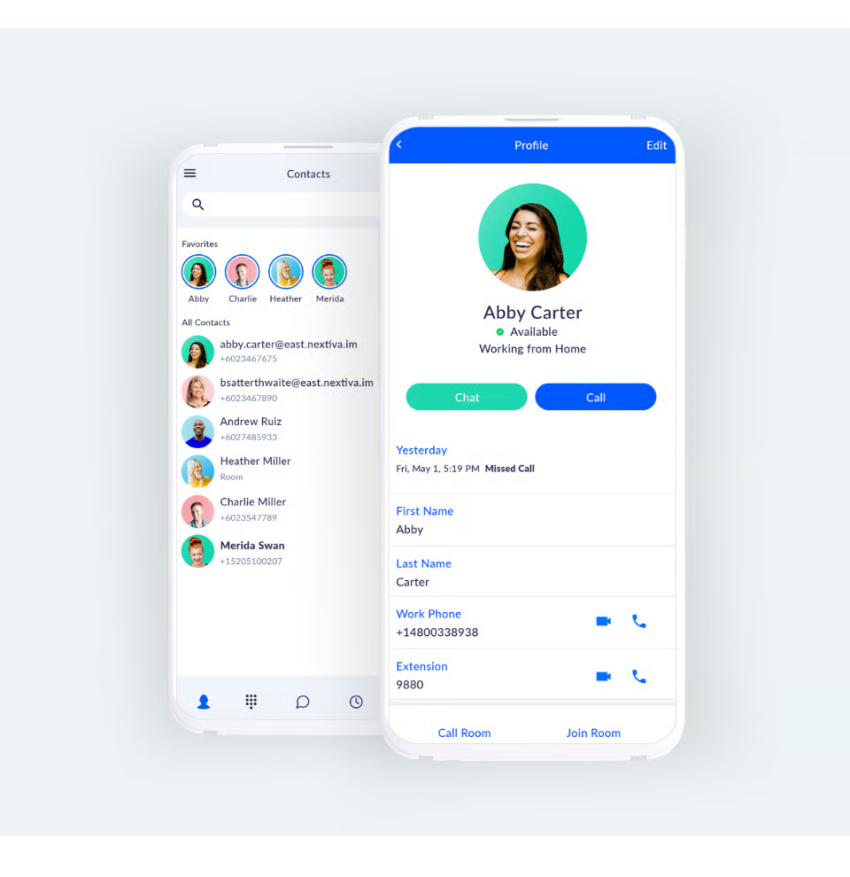
Ready to see how the migration works for your specific setup? Book a demo of Nextiva’s business phone system. Bring your site count, your call flow questions, and your analog inventory, and we’ll walk through what the cutover looks like.
The small business VoIP phone system for modern work.
Get business phone calls, video meetings, and secure messaging in one platform. Easy setup. Budget-friendly. Trusted by millions.