
 Productivity
  Blog
Blog  Business Communication
  Customer Experience
  Leadership
  Marketing & Sales
  Nextiva News
  VoIP
VoIP 

At Enterprise Connect, the technology conference for business leaders, procurement managers, and IT teams, I attended a session where one panelist mentioned how you must be using your AI council for mutual security and accelerated adoption.
As someone who spends a lot of time talking to customers of unified communications and contact center solutions, this was the first time I’d heard this phrase — yet it was being bandied around as if it were common knowledge. However, I agreed that forming and maintaining an AI council should be top of mind for any business leader bringing AI into their organization.
In this guide, we explain what an AI council is, as well as the why, when, who, and how.
The answer is obvious: throughout your organization, although you may have certain departments (like your contact center) that need special attention. More on that below.
What Is an AI Council?
An AI council is a group of people within your organization that meets to discuss and work on AI and automation initiatives. These may be customer-facing processes like inbound call handling or internal procedures like purchase order approvals.
The remit stretches as far as your business’s AI maturity and appetite for AI adoption. In some cases, like small businesses, the council may only consist of a few tech-savvy people. In enterprises, we see more involvement from niche departments and people with specialized skillsets.
An AI council’s key responsibilities include:
- Defining AI policies
- Evaluating new AI tools
- Managing ethical and legal risks
- Prioritizing AI initiatives
- Aligning AI with company strategy
When Should You Form an AI Council?
Now.
If your business is using or considering using AI in any form, it will pay off in the long run to establish a dedicated team of stakeholders to ensure you get things right (or at least manage risk) from day one.
In small businesses, this might look like your IT team and technology champions coming together once a week.
Larger organizations must consider the impact of adopting new technology and how it may affect wider projects, initiatives, and processes. This is where we see more stakeholders and specialist members involved.
Why Businesses Need an AI Council
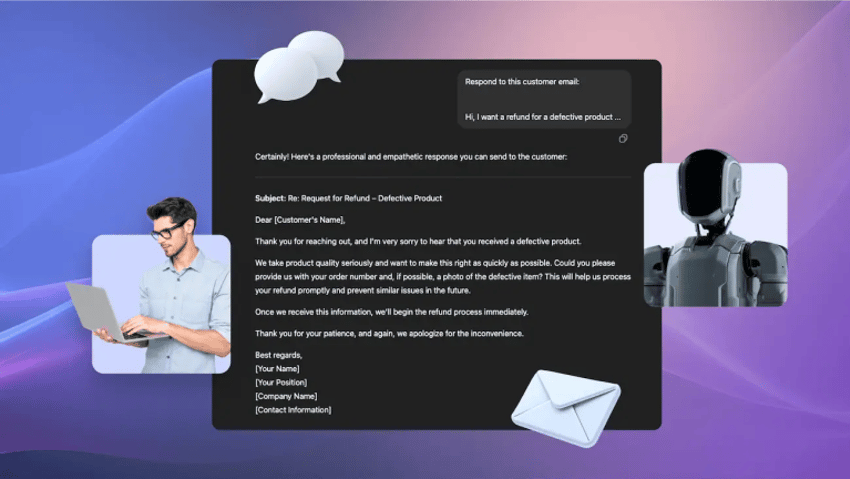
The need for an AI council stems from the reality that people have unique perspectives and risk tolerances regarding AI implementation. When people “use AI”, is it to draft a quick email, or is it to run a comprehensive agentic AI workflow for managing and routing support requests?
Between running the risk of AI spiraling out of control versus carefully managing adoption, which option are you taking? Here are some key reasons to create an AI council, should your boss or board need convincing.
To reduce the risk of AI adoption becoming fragmented
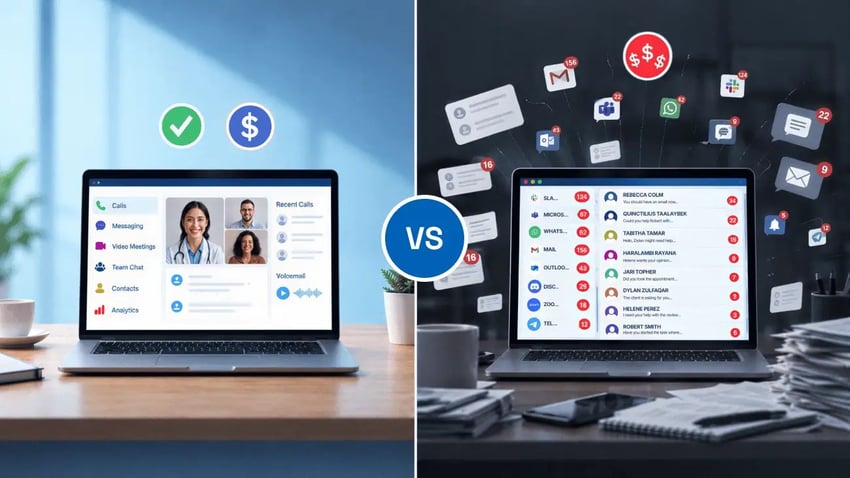
Left to their own devices (literally in some cases), employees will use unsanctioned AI tools and systems that are different from those of other departments. This makes integrating and creating seamless workflows hard or impossible. As a result, businesses experience conflict and unsupported IT.
To manage risk and compliance issues early
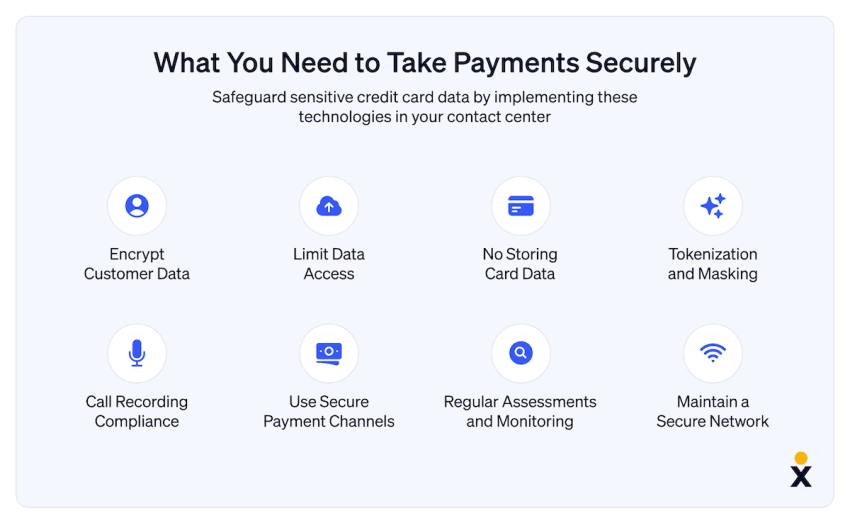
Keeping company and customer data secure and unexposed to public AI is one thing. Industry regulations like HIPAA, PCI DSS, and TCPA come with strict regulations surrounding the storage and processing of information. Local and international privacy laws may also dictate what you can and can’t do to remain compliant when using AI.
To identify strategic opportunities
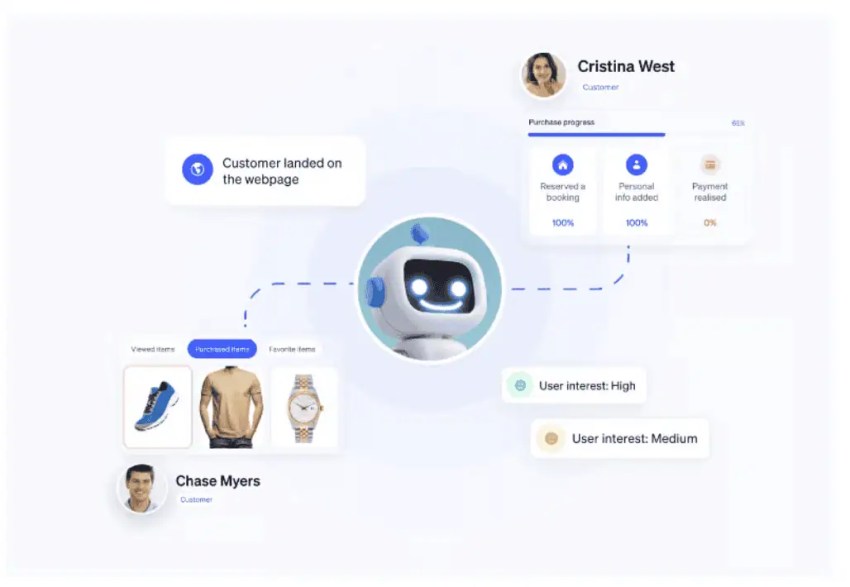
Your investment in AI must yield benefits beyond productivity gains and cost savings. When used sensibly and from the top down, business leaders have the chance to explore where AI can expand the business and further increase revenue.
Remember, AI has a multitude of tactical and strategic uses:
- Generative AI for content creation from established knowledge rules
- Agentic AI for automatic task planning and execution
- Conversational AI for listening and interpreting spoken dialogue
- Dialer AI for anticipating agent availability and automatic dialing capacity
To guide employees on their AI journey
Rolling out technology doesn’t guarantee end users will find it helpful or even use it at all. An AI council ensures that users across your business know how, when, and why to use the AI tools you put in place. Pushback at this vital stage can halt progress and stall projects for months or years in large businesses.
Try the best AI answering service free for 14 days
XBert AI answers questions and captures leads. Add your 24/7 answering service in minutes.
Who Should Be on an AI Council?
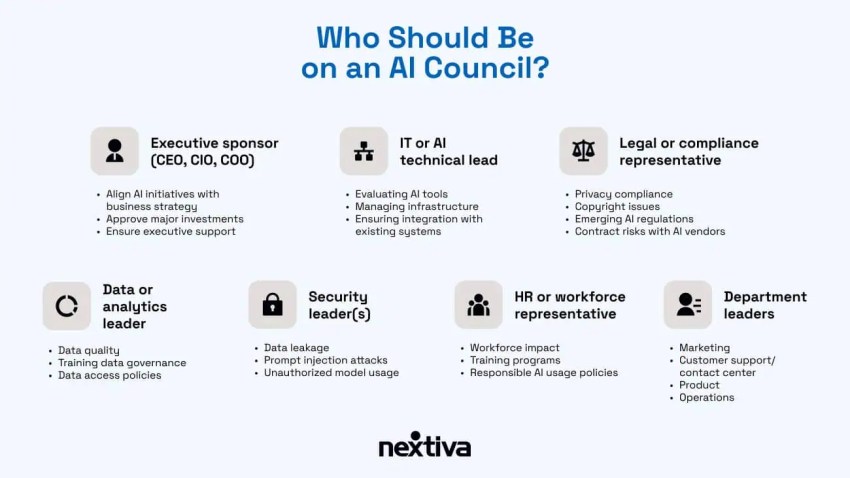
1. Executive sponsor (C-suite leader)
Responsible for the entire board.
Examples:
- Chief information officer
- Chief technology officer
- Chief operating officer
- Chief digital officer
Role:
- Align AI initiatives with business strategy
- Approve major investments
- Ensure executive support
2. IT or AI technical lead
Without these stakeholders, the project wouldn’t exist.
Responsible for:
- Evaluating AI tools
- Managing infrastructure
- Ensuring integration with existing systems
3. Legal or compliance representative
AI governance increasingly involves regulatory oversight.
Responsibilities:
- Privacy compliance
- Copyright issues
- Emerging AI regulations
- Contract risks with AI vendors
4. Data or analytics leader
These members ensure reliable data support AI initiatives.
Focus areas:
- Data quality
- Training data governance
- Data access policies
5. Security leader(s)
These council members are responsible for managing AI-introduced security risks.
Potential negative outcomes that must be managed include:
- Data leakage
- Prompt injection attacks
- Unauthorized model usage
6. HR or workforce representative
AI impacts employees directly.
HR leaders help address:
- Workforce impact
- Training programs
- Responsible AI usage policies
7. Department leaders
These stakeholders ensure AI initiatives address real business needs.
Some councils include representatives from:
- Marketing
- Customer support/contact center
- Product
- Operations

What an AI Council Actually Does
As this is a fairly new committee, the role is ever-evolving. Even the most AI-mature organizations will shift the focus and responsibilities from time to time.
What’s vital to understand here is that an AI council isn’t just a discussion group. It’s responsible for guiding how your business introduces, manages, and scales AI across the organization.
Here are the core responsibilities most AI councils take on.
1) Define AI policies for responsible AI use
An AI council sets the rules for how employees and teams can use AI tools. These policies typically address acceptable use, data privacy protections, and how to review AI-generated outputs before using them in customer-facing or strategic work.
Without clear policies, employees may unknowingly expose sensitive information to external AI tools or rely on unverified outputs.
2) Evaluate new AI tools that align with business and security requirements
AI tools are launching at a rapid pace. An AI council helps organizations evaluate which platforms are worth adopting. Without this key step, employees are free to use any or all tools, and you end up consumed by shadow AI.
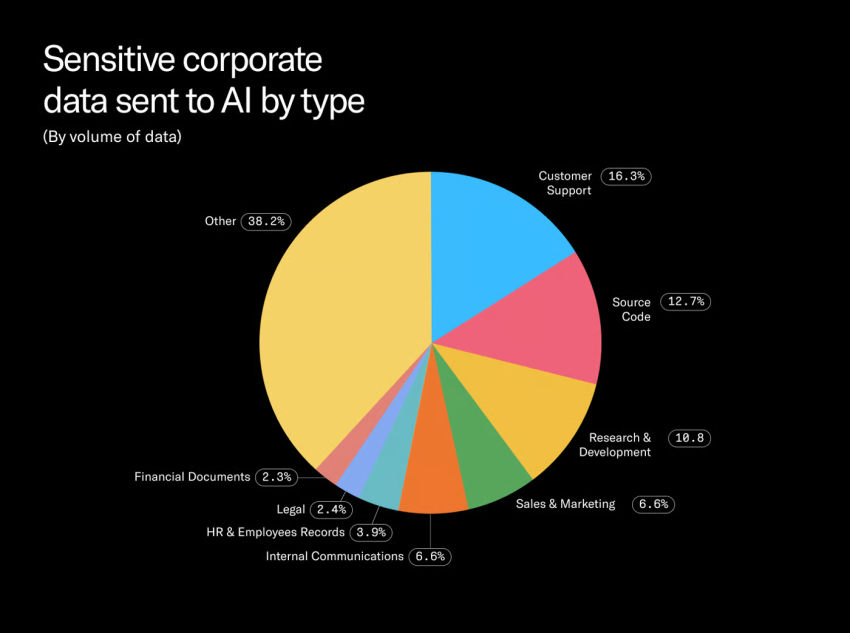
This includes reviewing:
- Security and compliance standards
- Integration with existing systems
- Data handling practices
- Long-term scalability
The goal isn’t to block innovation. It’s to ensure the company invests in tools that are safe, reliable, and aligned with your technology stack.
3) Prioritize AI initiatives for high-impact projects
Most organizations quickly discover there are dozens of potential AI use cases across departments. The AI council helps determine which initiatives should move forward first.
This often involves ranking projects based on factors like expected business value, implementation complexity, and potential risk. By prioritizing strategically, you can avoid spreading resources too thin across too many experiments.
4) Monitor AI risks before they impact the business
AI systems can introduce risks that traditional software doesn’t. These may include inaccurate outputs, biased models, or regulatory compliance concerns.
An AI council monitors these risks by reviewing active AI initiatives and implementing safeguards where necessary. Regular oversight ensures the organization can confidently scale AI while minimizing unintended consequences.
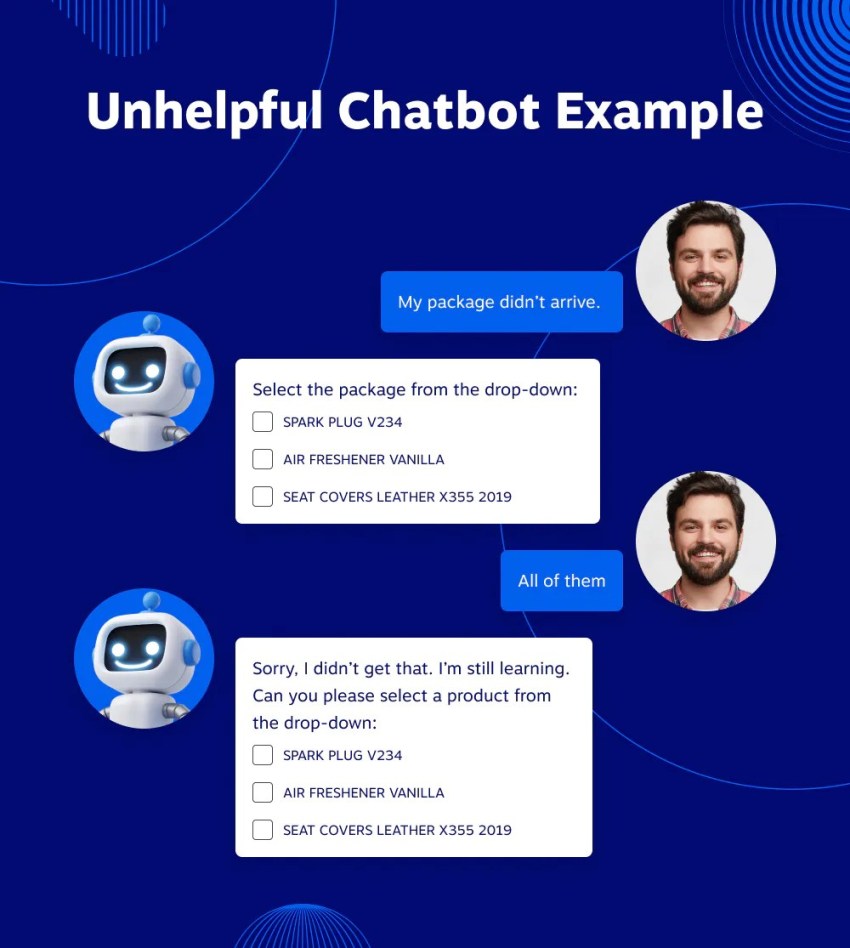
4) Help employees understand how to use AI effectively
One of the most overlooked responsibilities of an AI council is internal education.
Many employees want to experiment with AI but aren’t sure which tools are approved or how to use them responsibly. The council can guide training programs, internal documentation, and best-practice frameworks.
This helps employees adopt AI safely while unlocking productivity gains across the company. It also guides them on how to get the most out of their tools and sets expectations for what can, can’t, should, and shouldn’t require AI.
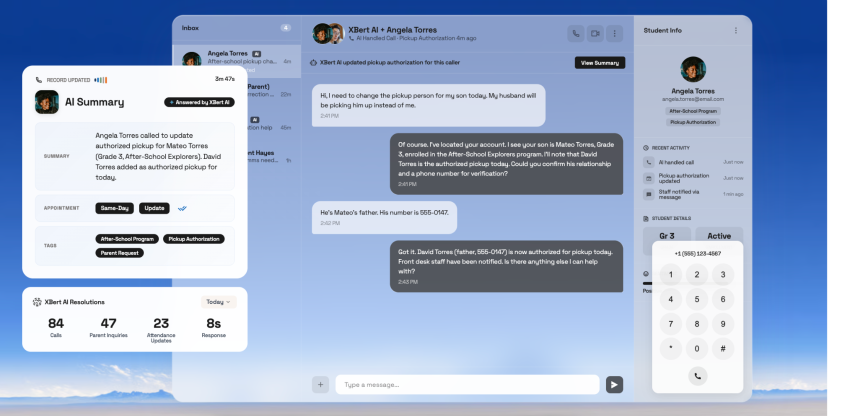
5) Establish and track AI success metrics (KPIs)
An AI council is also a performance monitoring body. AI is not merely a prestige project, and the council defines what constitutes its success. This includes monitoring specific KPIs such as:
- Efficiency gains: Reducing manual effort or average handling time in the contact center
- Accuracy rates: Monitoring the frequency of false positives or erroneous AI outputs
- Cost per solution: Determining whether AI actually reduces the cost of customer interactions
- Employee satisfaction: Making sure that AI reduces burnout rather than increasing workload
Hear why XBert AI is the best AI receptionist
XBert AI receptionist handles customer questions, captures leads, and books appointments. Try it free for 14 days.
How to Build an AI Council (Step-By-Step)
Building an AI council doesn’t require a massive restructuring effort. Most organizations can start one with a few clear steps.
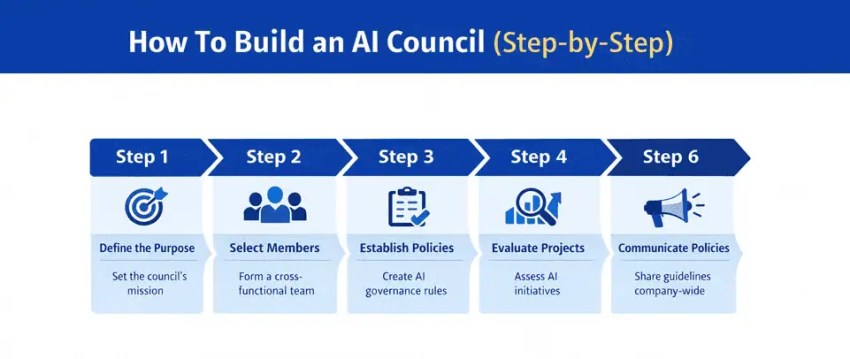
Step 1: Define the council’s purpose around a clear mission
Before assembling members, leadership should clarify what the council is responsible for.
For example, the council’s mission may include governing AI adoption, reducing operational risk, and identifying high-impact AI opportunities across the business. A clearly defined purpose helps prevent the council from becoming an unfocused discussion group.
Step 2: Choose cross-functional members from key departments
AI affects nearly every part of an organization, so the council should represent multiple perspectives.
Typical members include leaders from IT, security, legal, data analytics, and business operations. Some organizations also include department heads from areas actively exploring AI, like marketing or customer support. This cross-functional structure ensures decisions balance innovation, security, and business impact.
Step 3: Create guidelines for AI usage and approvals
Establish human-in-the-loop (HITL) protocols. Not all AI output should be forwarded directly to the customer. Your policies should categorize AI tasks by risk level:
- Low risk: Internal summaries or the creation of simple email templates (minimal oversight required)
- Medium risk: Real-time support from employees or AI-generated knowledge base articles (requires human review)
- High risk: Fully automated customer responses to billing inquiries or legal advice (requires strict HITL protocols and regular audits)
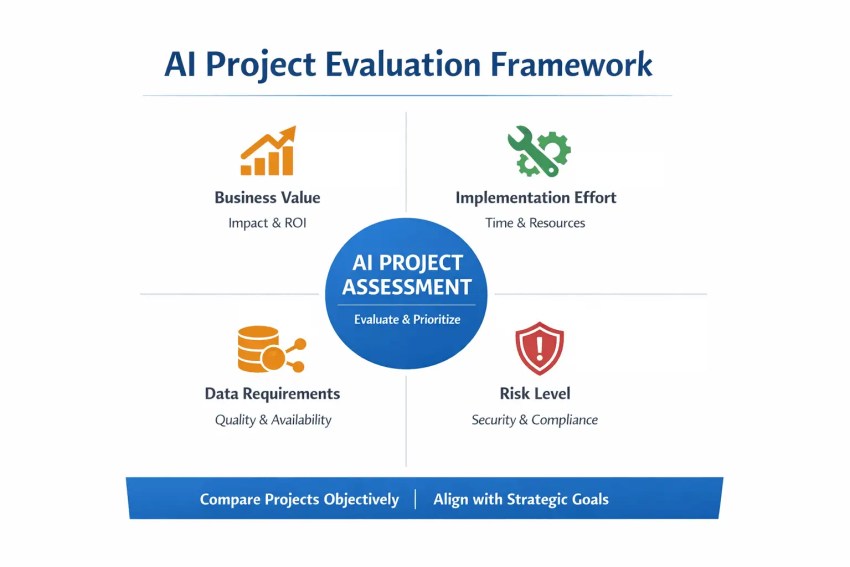
Step 4: Create an AI project evaluation framework
As teams begin proposing AI initiatives, the council needs a consistent way to evaluate them.
Many organizations use a framework that considers factors like business value, implementation effort, data requirements, and risk level. A standardized evaluation process helps the council compare projects objectively and prioritize initiatives that deliver the most impact.
Step 5: Schedule regular council meetings
AI governance isn’t a one-time effort. The council should meet regularly to review new proposals, monitor active projects, and update policies as technology evolves.
Monthly or quarterly meetings are common, depending on the pace of AI adoption within the organization. Consistent meetings help ensure AI initiatives remain aligned with strategic priorities.
Step 6: Communicate policies company-wide
Even the best policies are ineffective if employees don’t know they exist.
The AI council should share guidance across the organization through internal documentation, training sessions, and onboarding materials. This is especially important in applications like nonprofit communication solutions, where clear communication helps employees adopt AI responsibly and avoid confusion about which tools and practices are approved.

Common Mistakes When Building an AI Council
Making the council too large
It’s tempting to invite everyone with an interest in AI, from the chief information officer to that one person who built a chatbot in their spare time. But when your AI council looks more like a town hall, decisions slow down. Too many voices lead to endless debates, competing priorities, and meeting overload.
Keep the group small and cross-functional. That way, decisions actually get made. You can always bring in specialists later once the core framework is in place.
Focusing only on risk
AI councils often start with governance and compliance. That’s understandable, but it’s only half the job.
Rules and controls matter, but so does vision. If the council becomes a brake pedal instead of a steering wheel, innovation will stall. A balanced council looks at both sides. It focuses on safe deployments and explores ways to create new value. This might include improving customer experiences, reducing manual effort, or using data to uncover new insights.
Ignoring employee education
A policy document will not change behavior on its own.
Real progress happens when every employee knows how to use AI responsibly and effectively. That means moving beyond a single training session or company-wide email.
Offer hands-on sessions that show people how to choose the right tool, write clear prompts, and decide when AI should assist rather than replace human judgment. The goal is simple: Build confidence, not confusion.
Quick Checklist for Your AI Council Charter
Before your first meeting, your council should have agreed on these five pillars:
- Mission statement: Is our goal cost reduction, revenue growth, or risk mitigation?
- Decision rights: Who has the final approval on a new AI vendor?
- Meeting cadence: Will we meet monthly (for high growth) or quarterly (for maintenance)?
- Feedback loop: How do employees report issues or suggest new AI use cases?
- Sunset clause: How will we decide when an AI tool is no longer providing value and should be retired?
How Choosing the Right Technology Helps Your AI Adoption
While governance is critical, the success of an AI council ultimately depends on the tools the organization chooses to deploy.
The right technology platforms make it easier to implement AI responsibly, scale successful use cases, and maintain visibility into how AI is being used across the business. For example, many organizations start their AI adoption in customer experience operations, particularly in contact centers where AI can automate routine tasks, assist agents, and analyze conversations for insights.
Platforms like Nextiva Contact Center integrate AI capabilities directly into communication workflows. Features like intelligent routing, conversational AI, real-time analytics, and AI receptionists help organizations improve customer experiences while maintaining centralized oversight.
To a lesser extent than a contact center, XBert AI from Nextiva provides a practical, easy way for businesses to add conversational AI capabilities in a smart, responsible, and customer-centric way.
This kind of unified platform also makes governance easier for an AI council. Instead of managing dozens of disconnected tools, teams can deploy AI within a controlled environment that supports security, compliance, and scalability.
As companies continue expanding their AI initiatives, choosing platforms designed for enterprise collaboration and customer communication can accelerate adoption while reducing operational complexity.
Strong governance and the right technology go hand in hand. An AI council provides the strategy and guardrails, and the right AI-enabled platforms help turn those plans into real business outcomes.
Ensure your customer-facing side of the business has the right tech to support your AI goals.
Your AI-Powered Contact Center
Future-proof your business. Create amazing customer experiences with AI-powered contact center. Built for omnichannel customer conversations.